
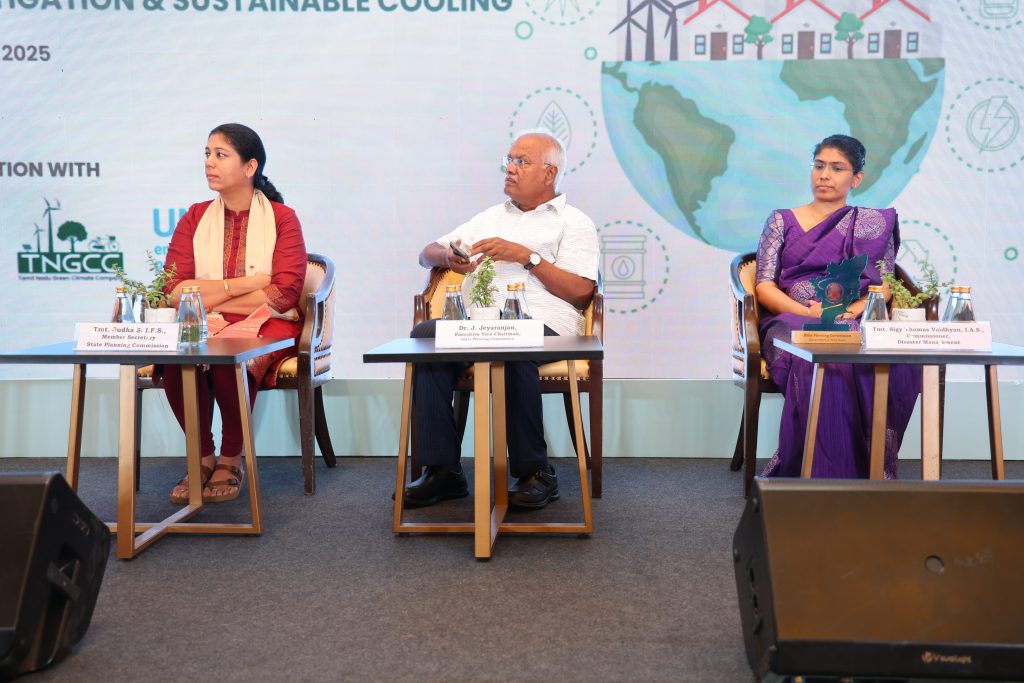
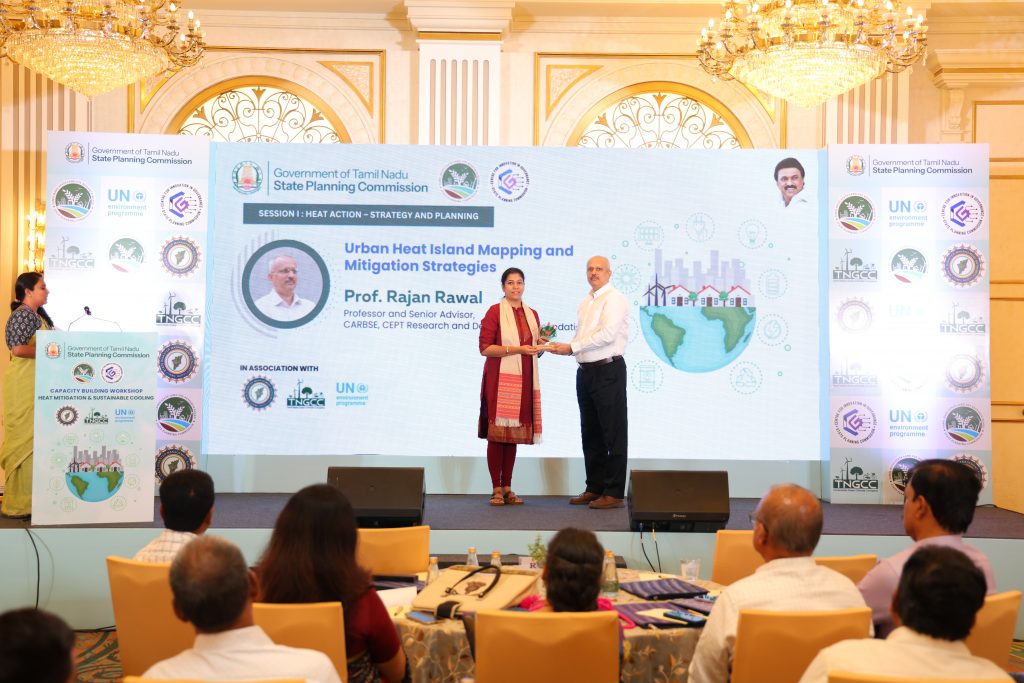
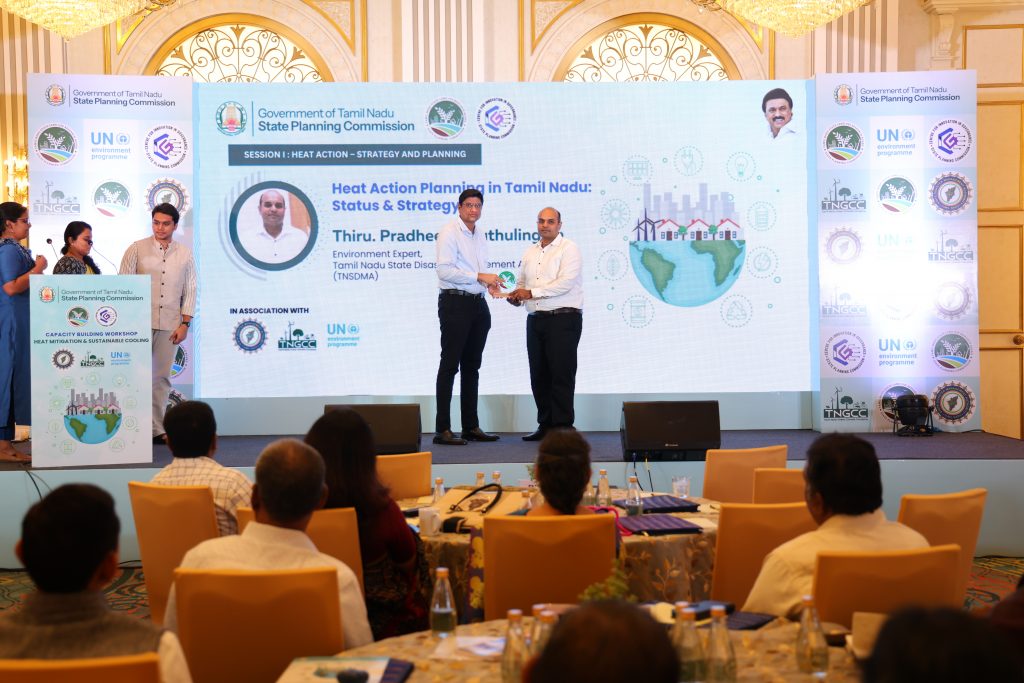
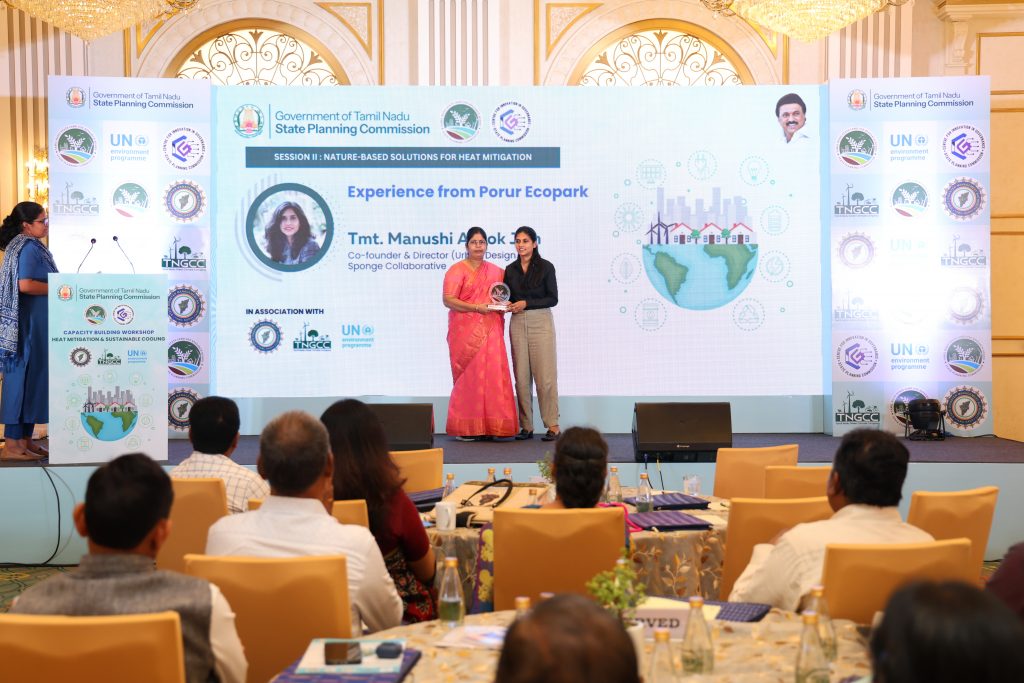
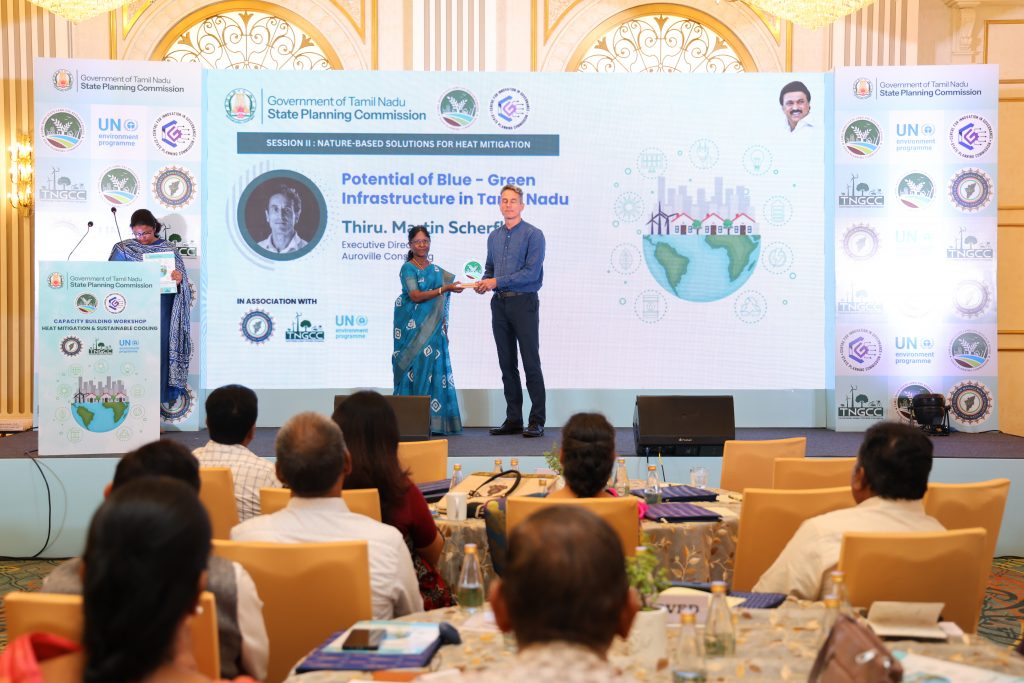
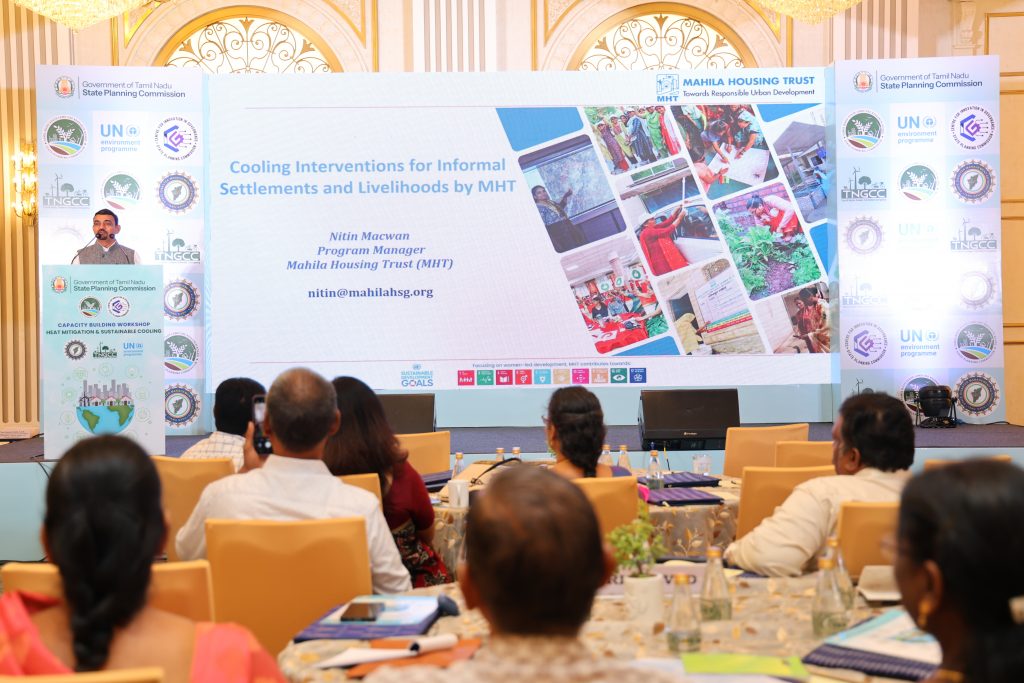
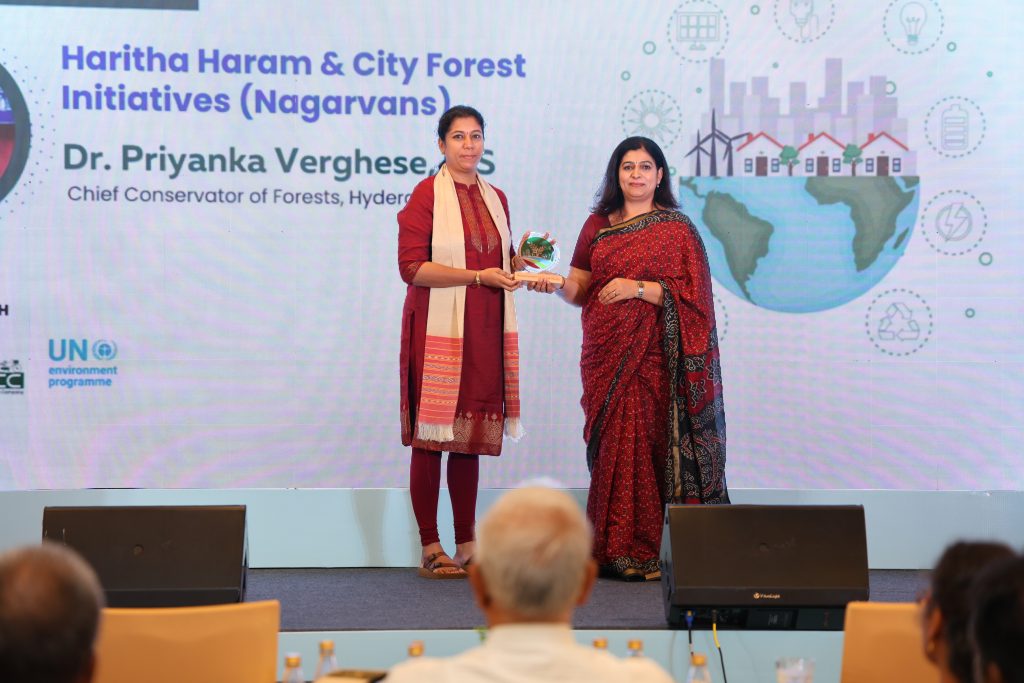
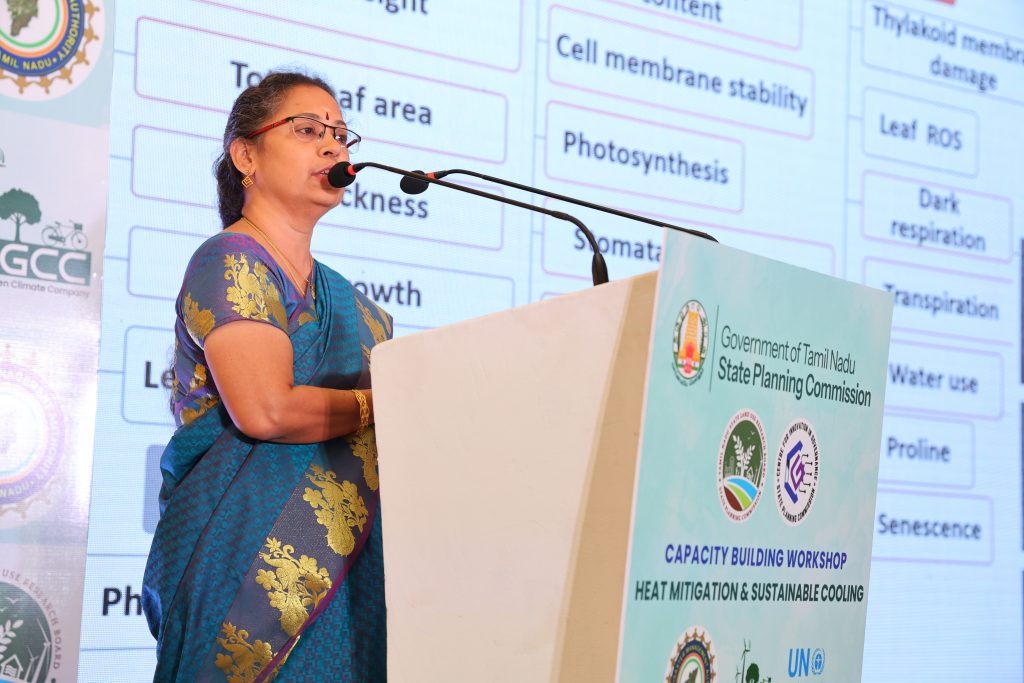
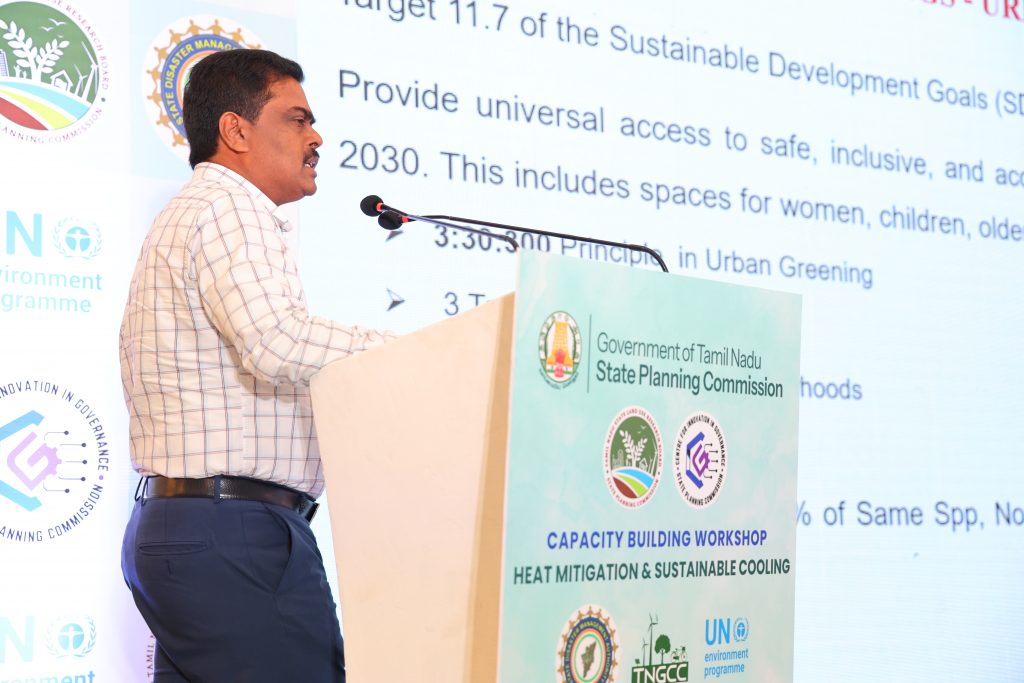
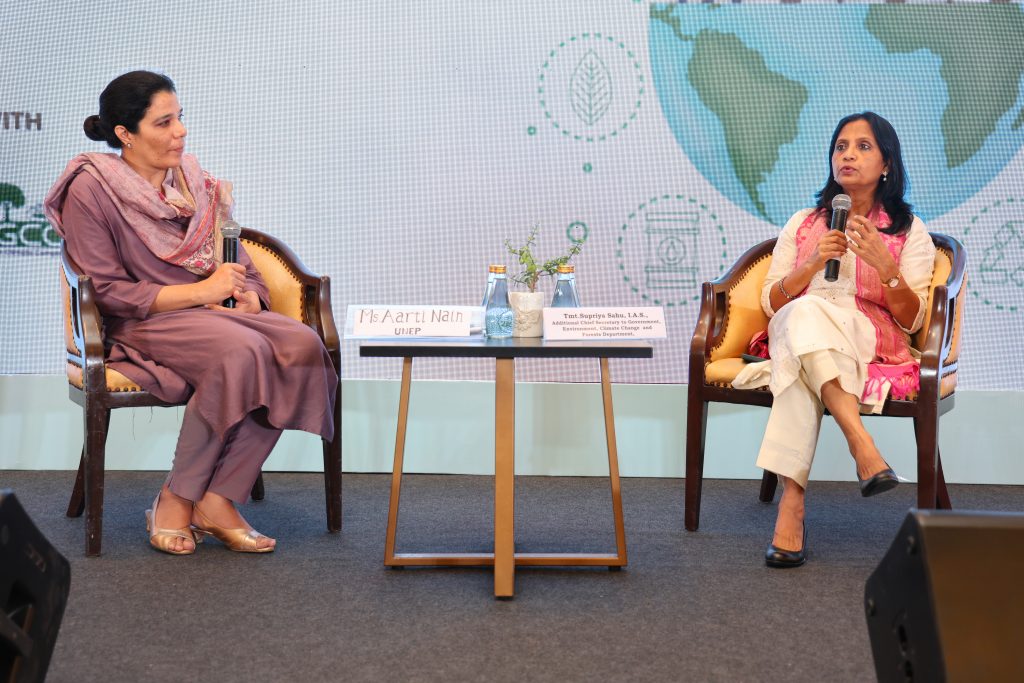
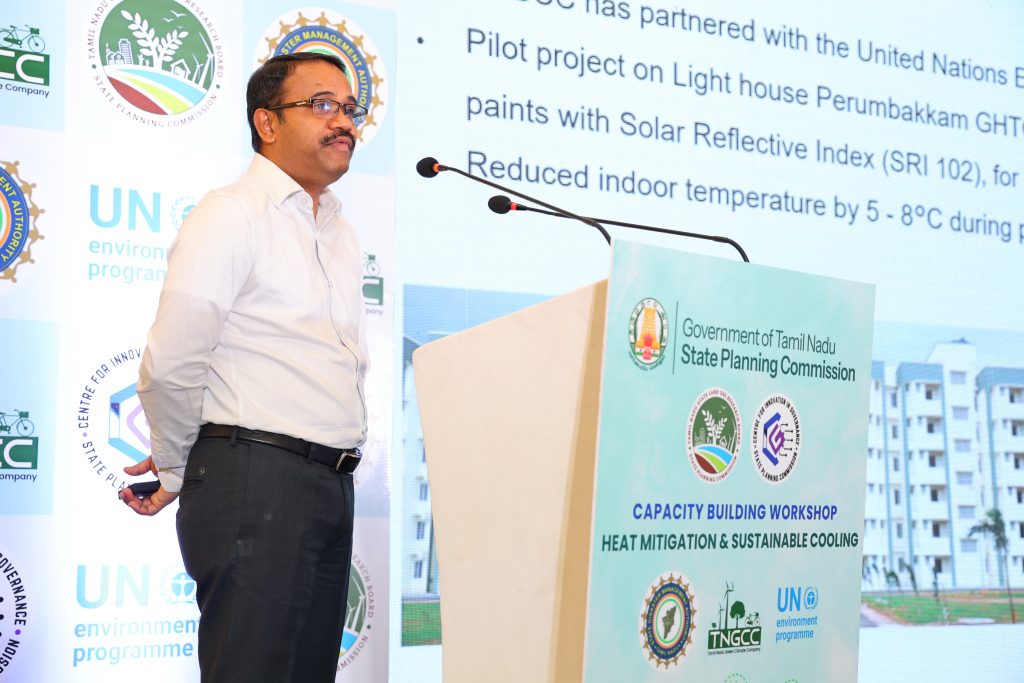
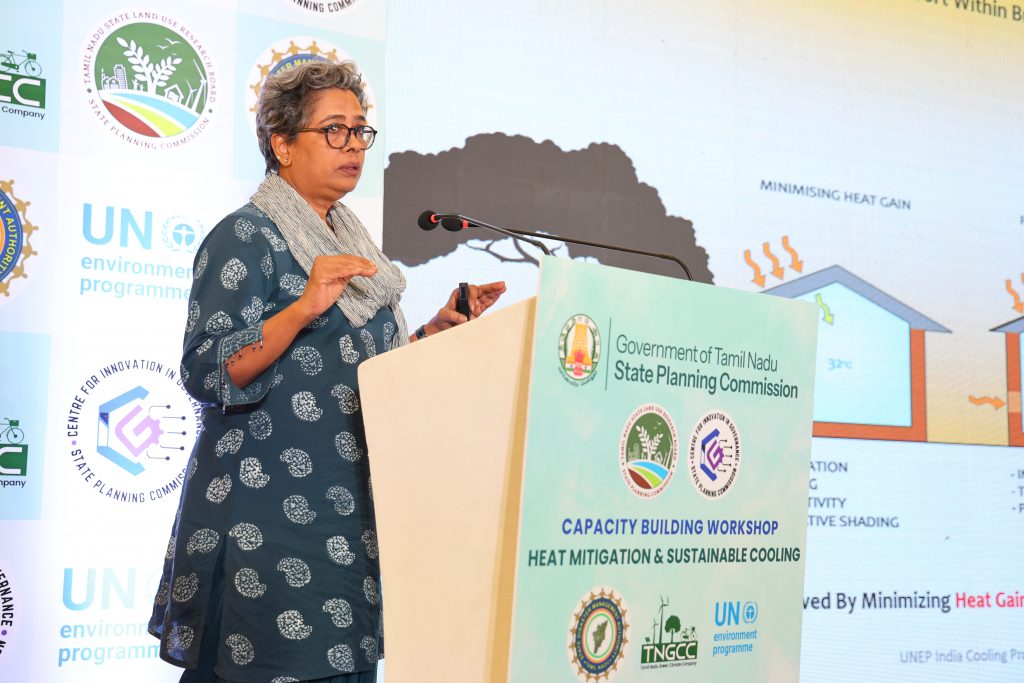
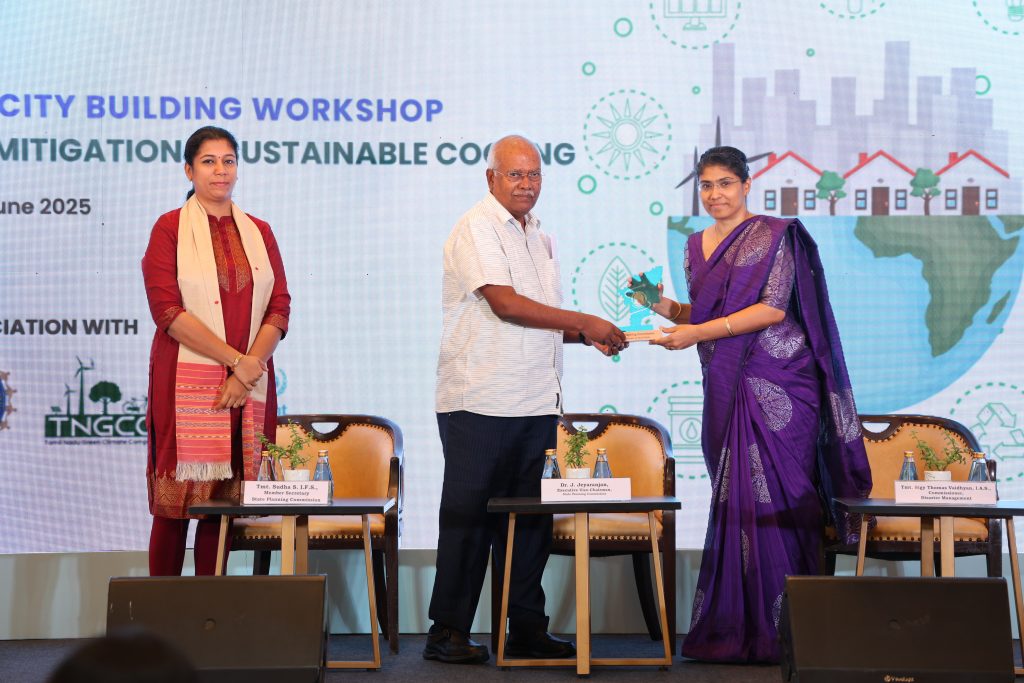
The Capacity Building Workshop on Heat Mitigation and Sustainable Cooling was held on 25th June 2025, organized by the Tamil Nadu State Planning Commission State Planning Commission through Tamil Nadu State Land Use Research Board (TNSLURB) in collaboration with the State Disaster Management Authority (SDMA), Tamil Nadu Green Climate Company(TNGCC), and the United Nations Environment Programme (UNEP).
The event brought together government departments, academic institutions, NGOs, and international organizations to explore actionable strategies for managing rising heat risks and promoting sustainable cooling across Tamil Nadu.
The workshop highlighted Tamil Nadu’s pioneering recognition of heatwaves as a state-specific disaster and the formulation of the State Heat Mitigation Strategy and city-level Heat Action Plans (HAPs). Sessions covered urban heat mapping, passive cooling in architecture, nature-based solutions and blue-green infrastructure, and technological interventions such as district cooling systems. Grassroots innovations, including women-led thermal comfort solutions and parametric insurance models, were also showcased.
Discussions emphasized integrating climate resilience into planning through geospatial tools, community participation, and inter-departmental coordination. Notable initiatives included the Cool Roof Programme, green urban planning, agroforestry expansion, climate-resilient crops, and the Tamil Nadu Green Climate Company’s mission-driven approach.
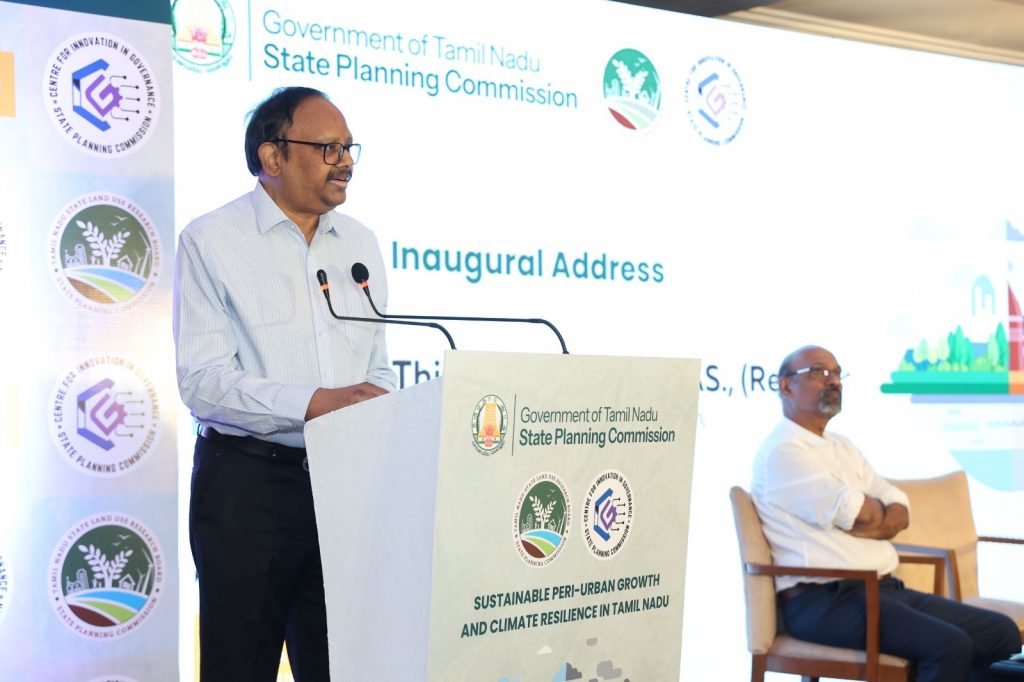
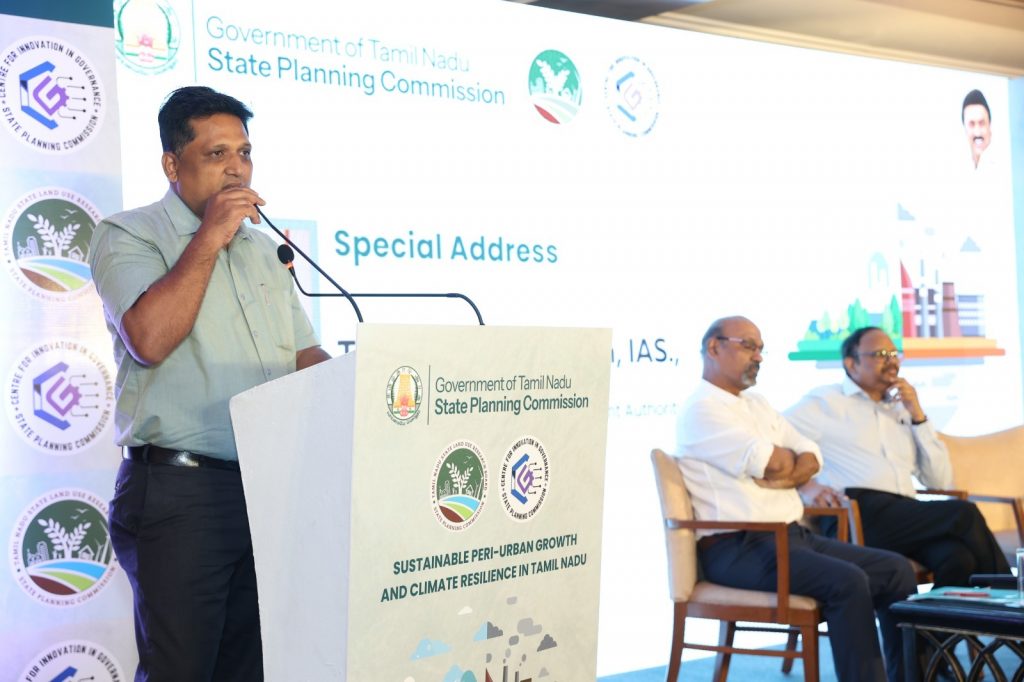
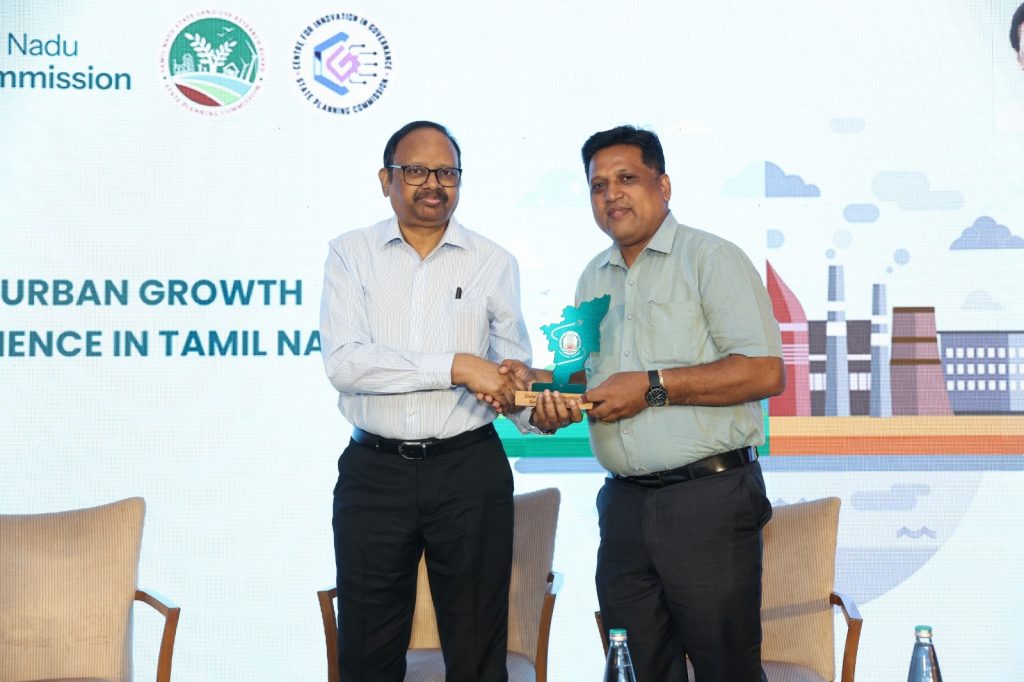
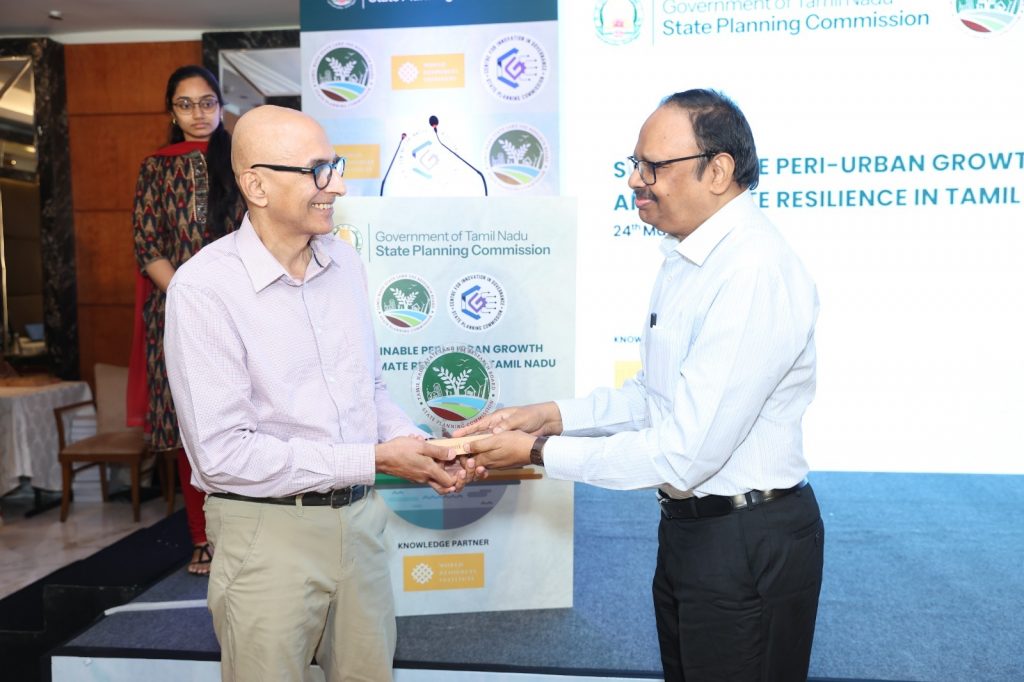
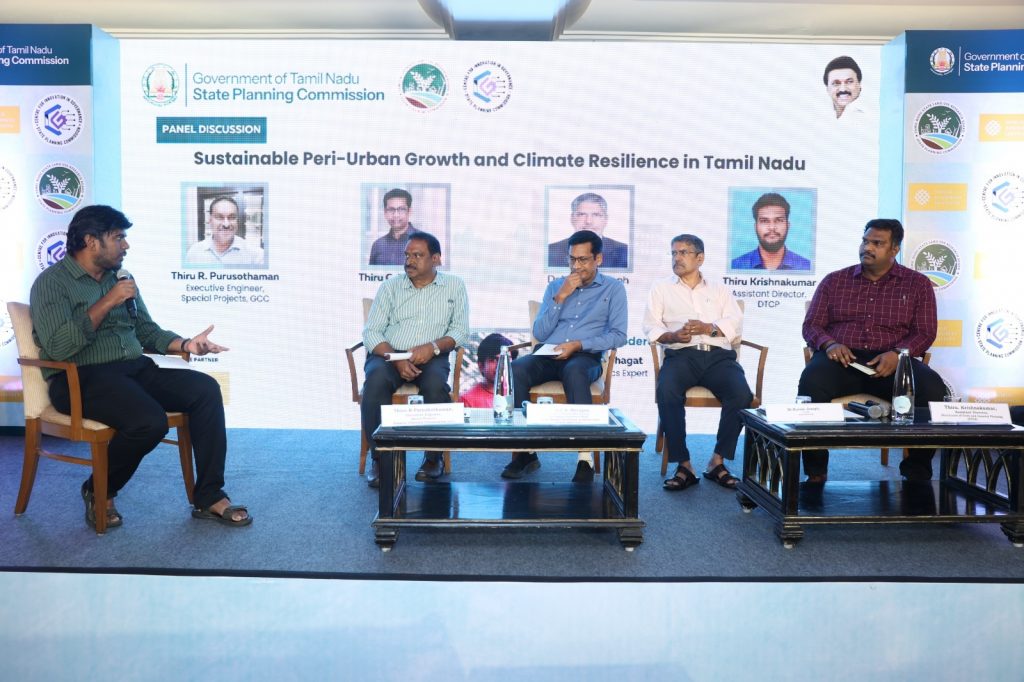
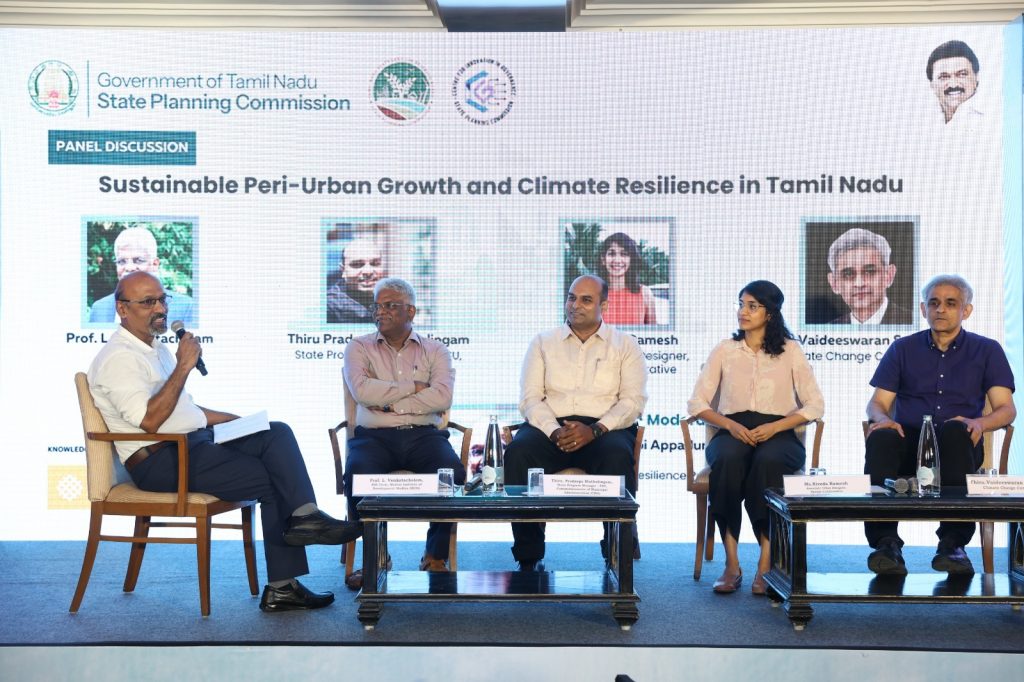
The workshop on “Sustainable Peri-Urban Growth and Climate Resilience in Tamil Nadu” was held on 24th March 2025. Organised by the Tamil Nadu State Planning Commission through TNSLURB and WRII, the event focused on addressing the challenges of rapid, unplanned growth and climate vulnerability in peri-urban areas.
With participants, including government officials, urban planners, and researchers, the workshop emphasized the integration of climate resilience into peri-urban planning. Key presentations covered peri-urban mapping, risk assessments, and adaptive planning strategies, including research on Madurai and Coimbatore by IIT Madras and WRII.
The workshop stressed the importance of geospatial tools, decentralised urban services, and the need for informed, data-driven governance. Panel discussions highlighted issues such as inadequate infrastructure, fragmented administration, financial limitations, and lack of real-time data.
Key recommendations included establishing a dedicated peri-urban planning authority, promoting green infrastructure, adopting district-level climate adaptation frameworks, exploring financing mechanisms like public-private partnerships, community engagement and stakeholder coordination.
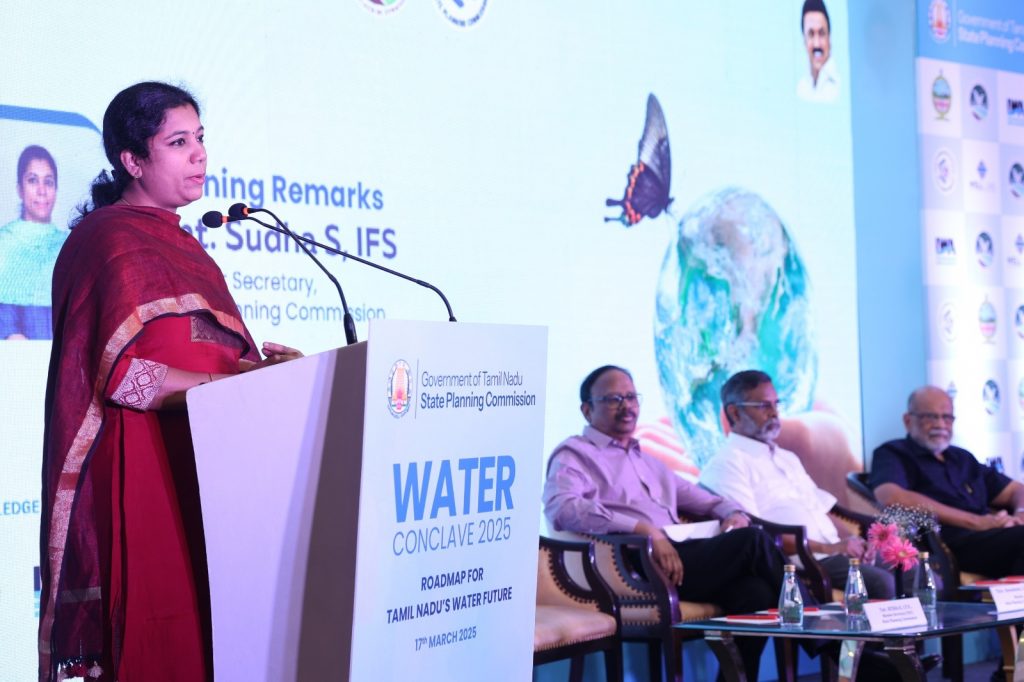
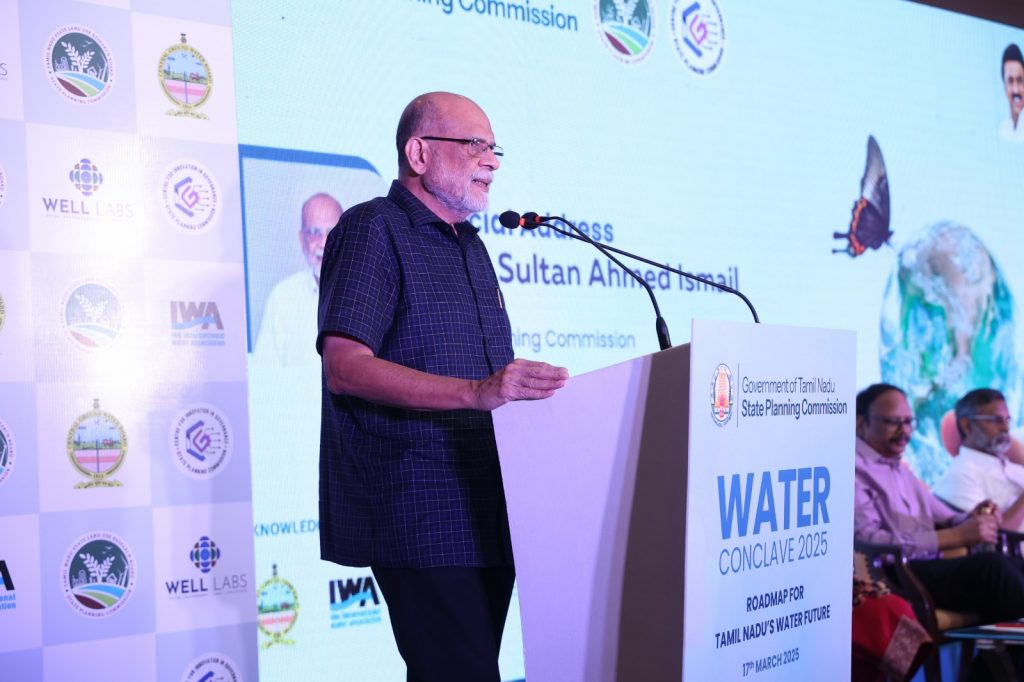
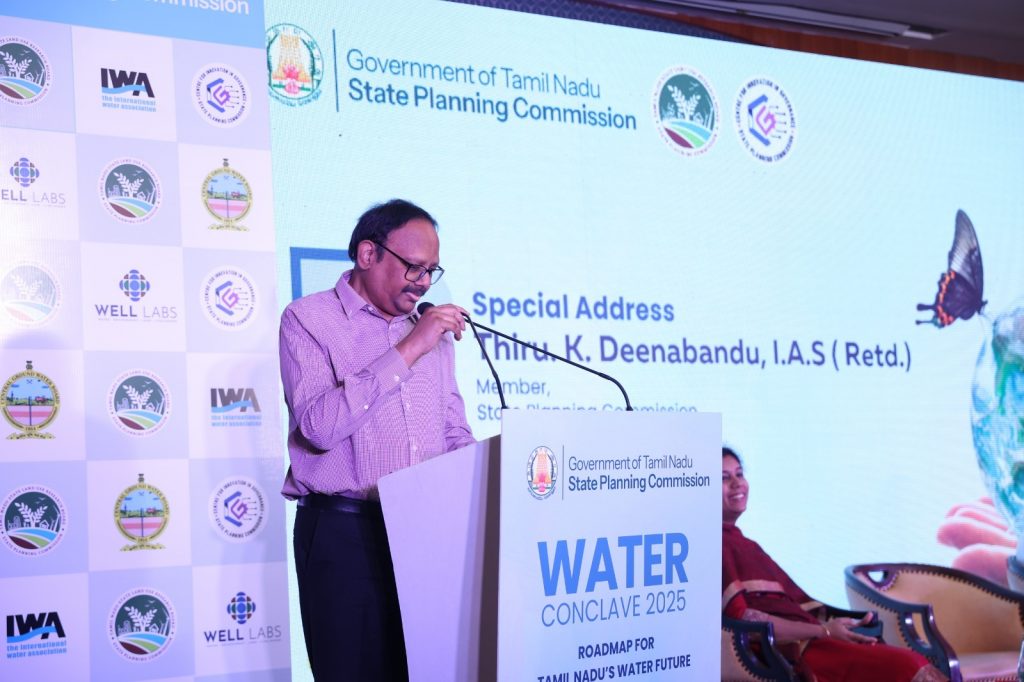
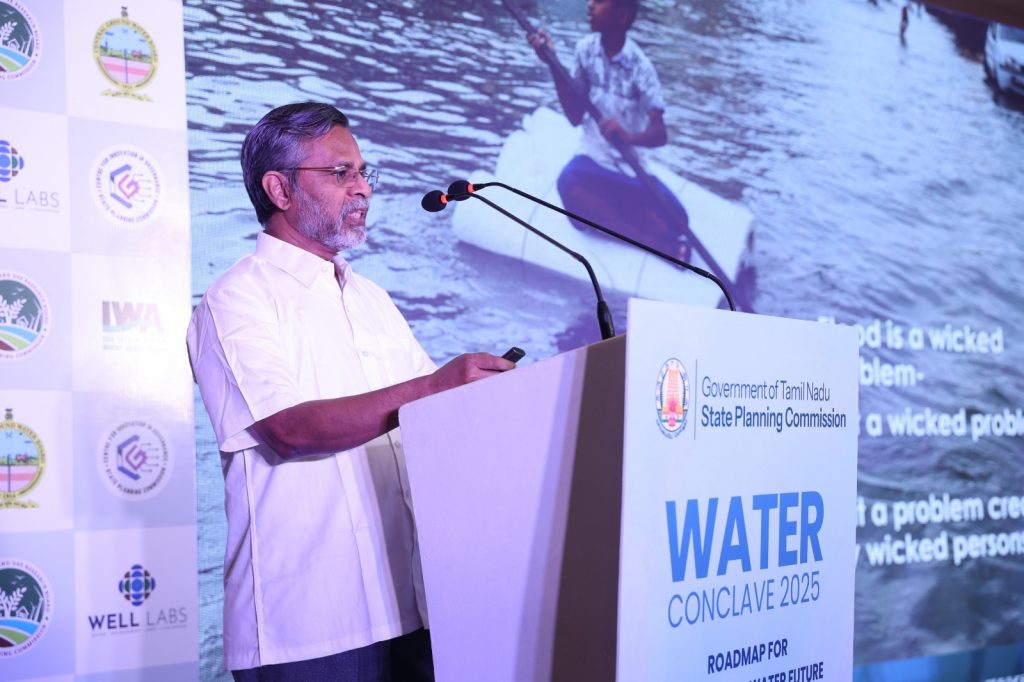
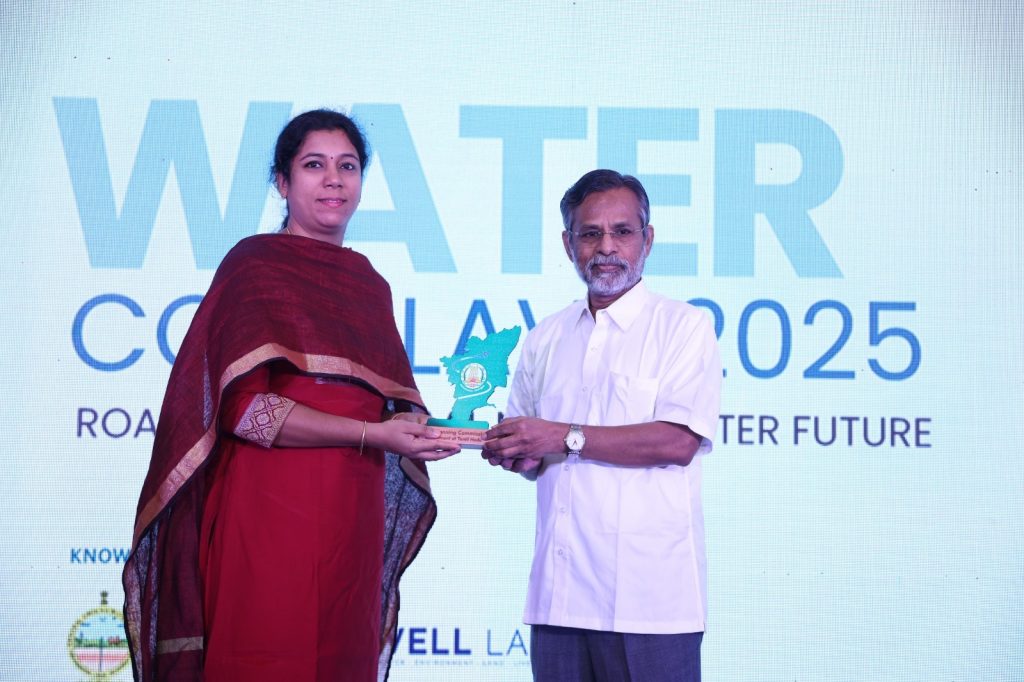
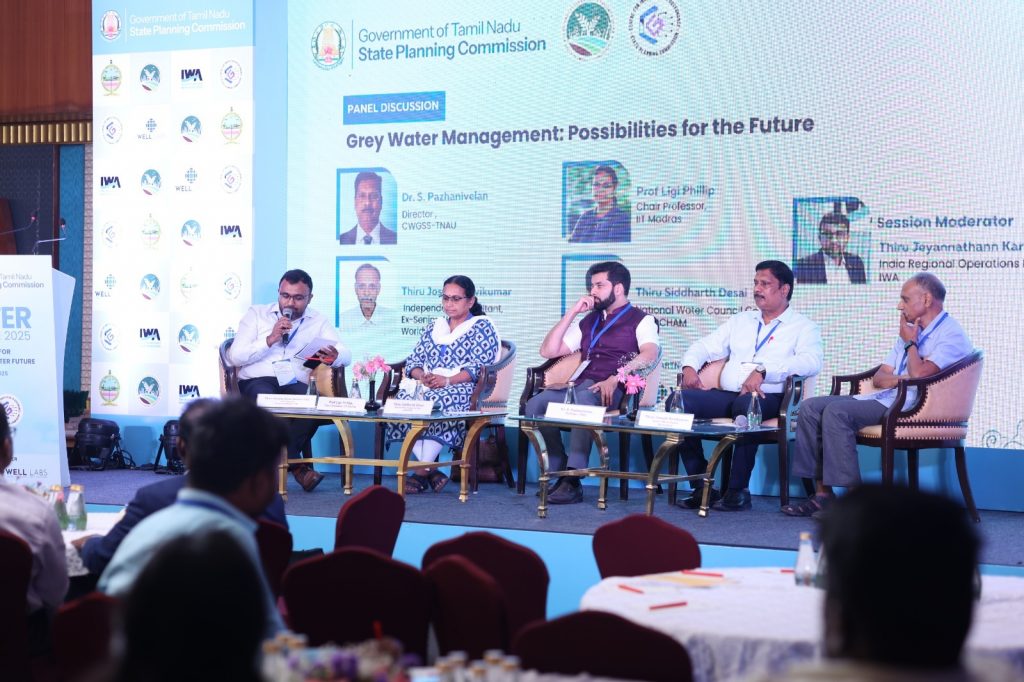
The Water Conclave 2025, held on 17th March 2025 in Chennai, was organized by the Tamil Nadu State Planning Commission through the Centre for Innovation in Governance and Tamil Nadu State Land Use Research Board, in collaboration with CGWB, IWA, and WELL Labs. The conclave served as a multi-stakeholder platform to deliberate on innovative strategies for sustainable water governance for Tamil Nadu.
Discussions emphasized the state’s water challenges including groundwater over-extraction, urban flooding, and wastewater mismanagement while highlighting the need for integrated, circular, and decentralized water systems. Technical sessions addressed issues such as urban flood risks, groundwater depletion, wastewater reuse, and the role of data, technology, and governance. Experts advocated for a blue-green-grey water approach, combining traditional wisdom with scientific and technological advancements.
Panel discussions and case studies showcased practical models such as decentralized wastewater management at Chennai Mathematical Institute, Rajapalayam’s GIS-based master plan, and greywater reuse strategies from Bengaluru. The conclave also underscored the importance of inter-agency collaboration, citizen participation, and policy reforms.
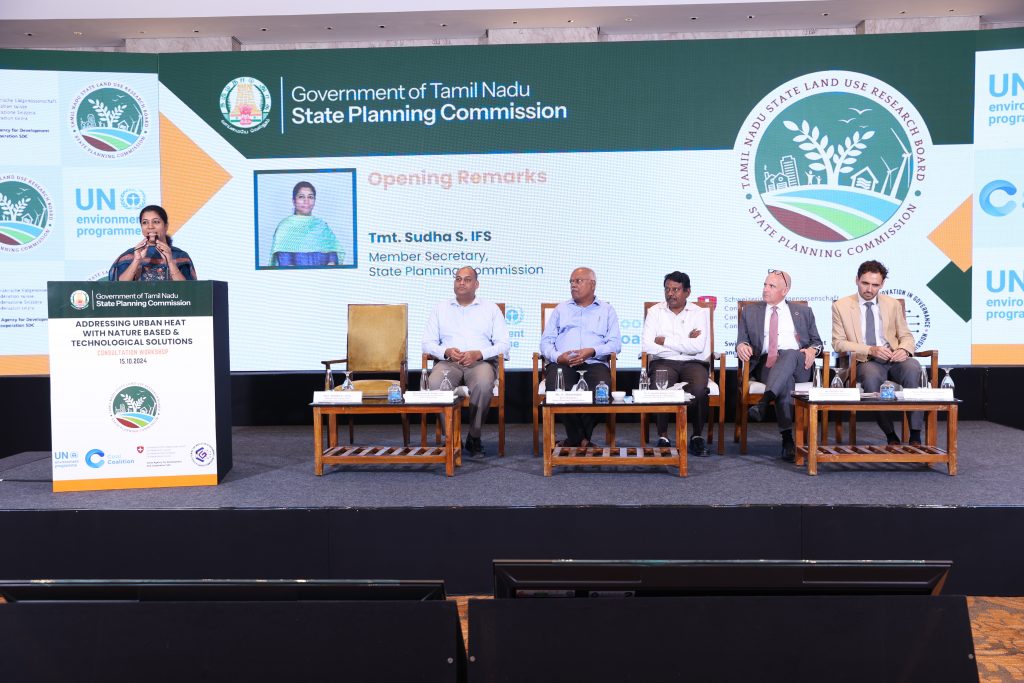
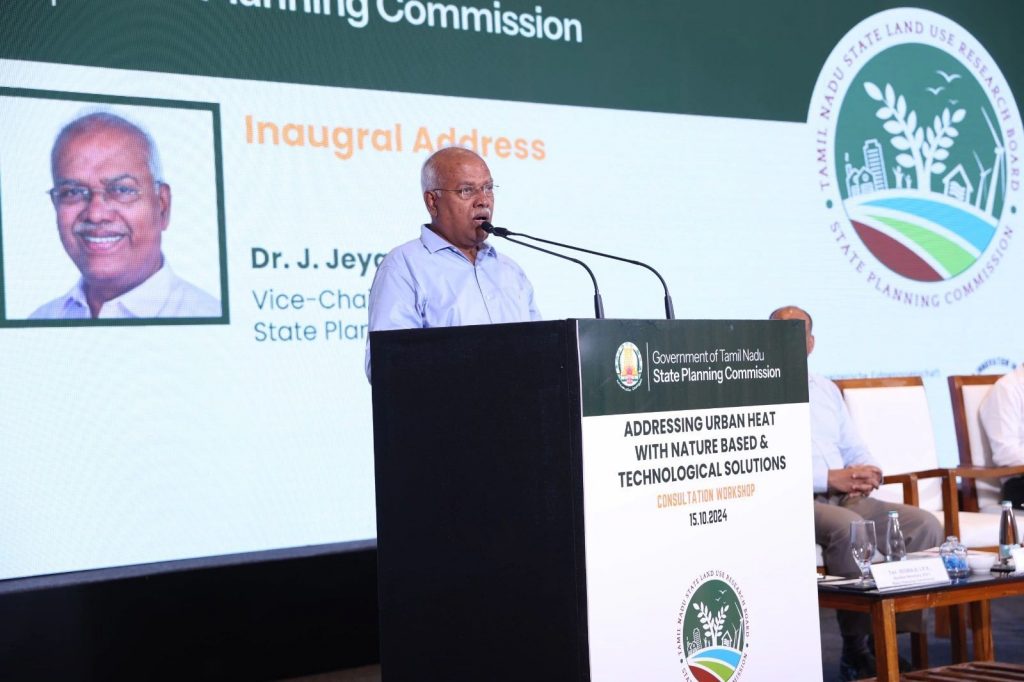
Tamil Nadu faces growing heat stress challenges, with temperatures often surpassing the comfortable range of 25-30°C at 60% humidity. Nearly 59% of the population endures temperatures above 35°C, highlighting the critical need for heat resilience measures as climate change exacerbates these risks. To tackle this issue, Tamil Nadu has established the Heat Action Network, fostering inter-departmental and intersectoral collaboration for evidence-based and comprehensive heat mitigation.
Building on the Tamil Nadu Heat Mitigation Strategy, which outlines the increasing threat of extreme and prolonged heat waves, this report focuses on Urban Heat Island (UHI) effects across the state. It examines how urbanization and climate change combine to intensify localized heat stress. The report comprises two main components: “State-level and District-level Urban Heat Zones” and “City-level Hotspot Analysis,” followed by actionable recommendations for mitigation. The report equips Tamil Nadu to plan strategically for urban resilience. This approach aims to target resources and interventions effectively, reducing heat-related risks and building a more sustainable future.
Tamil Nadu State Planning Commission with the Tamil Nadu State Land Use Research Board, in collaboration with the United Nations Environment Programme , and CEPT University, has developed the “Urban Heat Island‑ Hotspot Analysis and Mitigation Strategies for Tamil Nadu” providing a systematic framework for understanding and mitigating urban heat impacts. The final report was presented to the Hon’ble Chief Minister of Tamil Nadu on December 16, 2024.
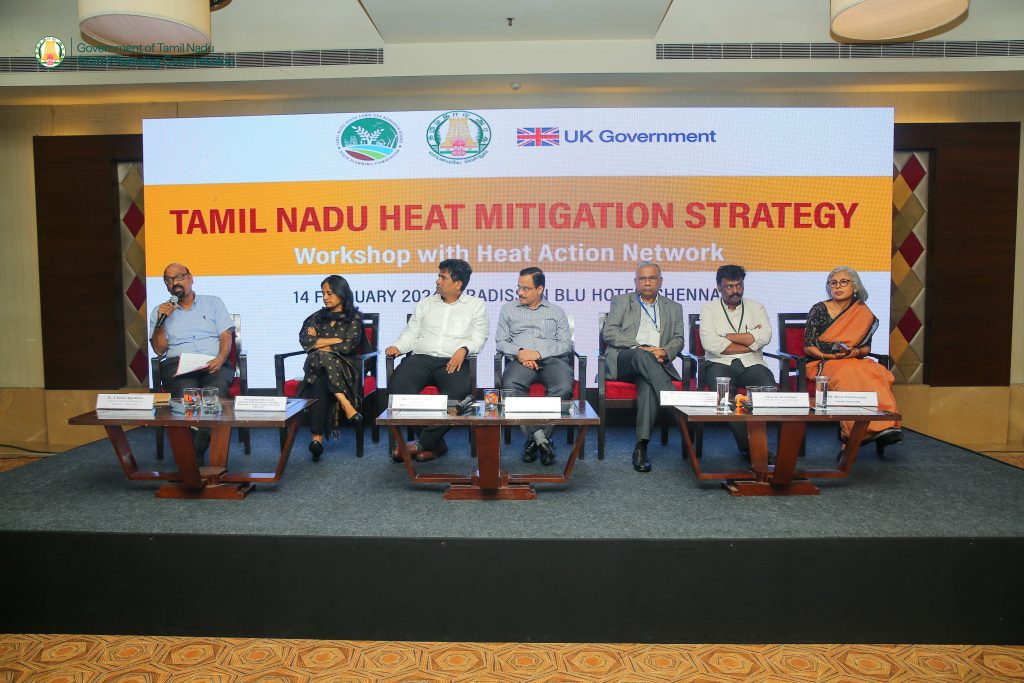
Mitigation of Heat is linked with economic growth and is recognised as key to the health, wellbeing, and productivity of people in hot climates. India is a growing economy characterized by low penetration of air-conditioning, rising per capita income, rapid urbanization and a largely tropical climate all of which would lead to a rise in the requirement for cooling, which in turn increases the heat. Addressing the rising heat is both a challenge as well as a unique opportunity, necessitating synergies in policies and actions to mitigate the heat across sectors.
The strategies have been developed under the guidance of the State Planning Commission by involving the State Departments, research institutions, civil society organizations and institutions of national and international expertise.
This exercise was carried out with the support of Deputy British High Commission and engaged World Resource Institute (WRI) as a knowledge partner. The final report was submitted to the Hon’ble Chief Minister of Tamil Nadu.
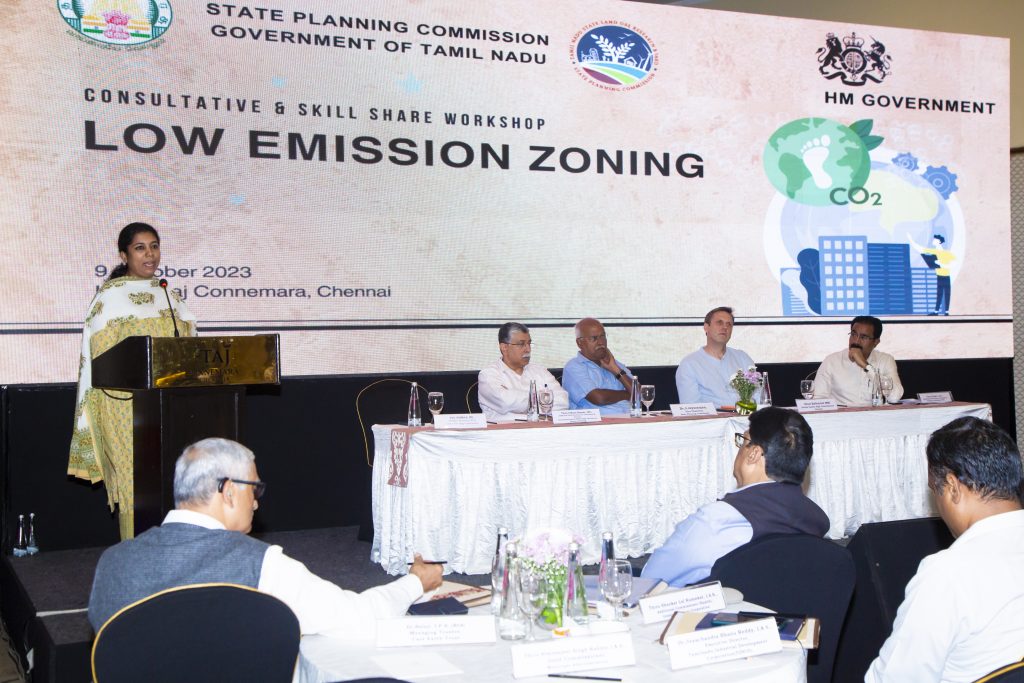
Focused on reducing pollutant emission, this report underscores the need for emission reduction in cities. Drawing inspiration from a similar toolkit in the United Kingdom, the report showcases how such tools can be adopted to cities like Chennai. For this purpose, consultations were held with the concerned departments during workshop to discuss the existing schemes and requirements.
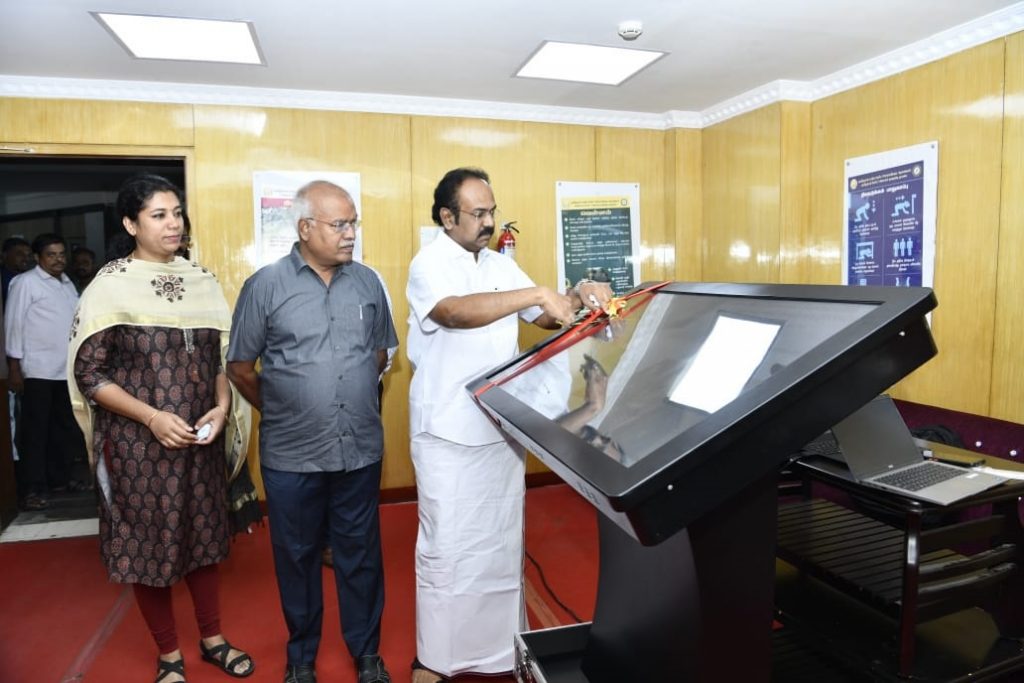
GIZ (German Agency for International Cooperation), an organization funded by the German government has provided the TOSCA tool to the State Land Use Research Board. This tool is designed to facilitate research for urban planning and analysis. TOSCO helps to assist in software applications, guidelines, data sets, and methodologies to assist city planners, policymakers, and stakeholders in making informed decisions for sustainable urban development.
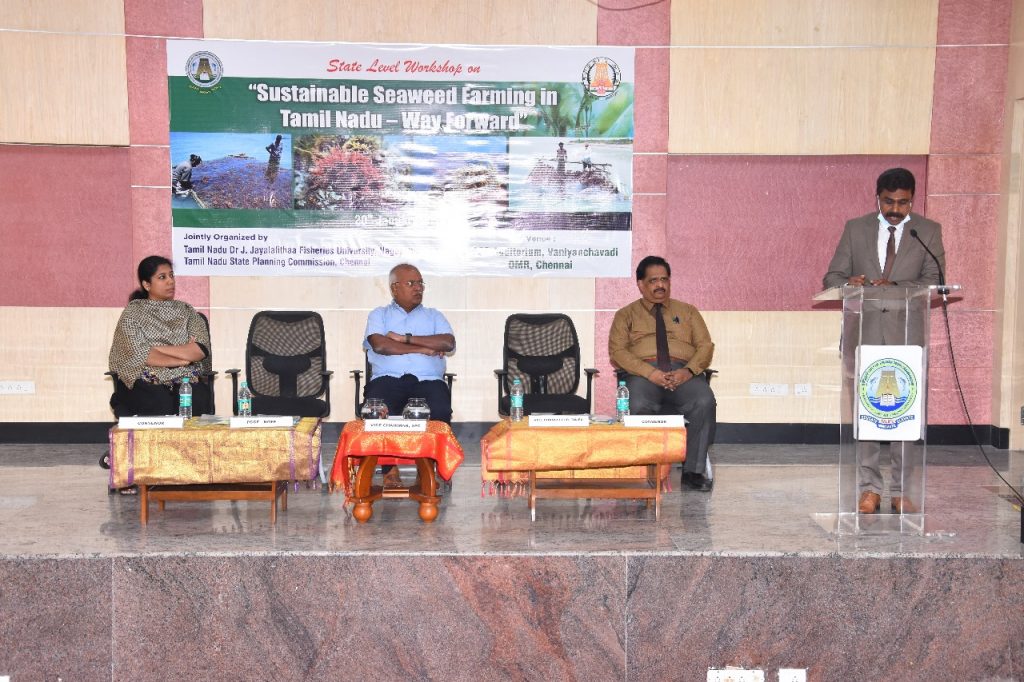
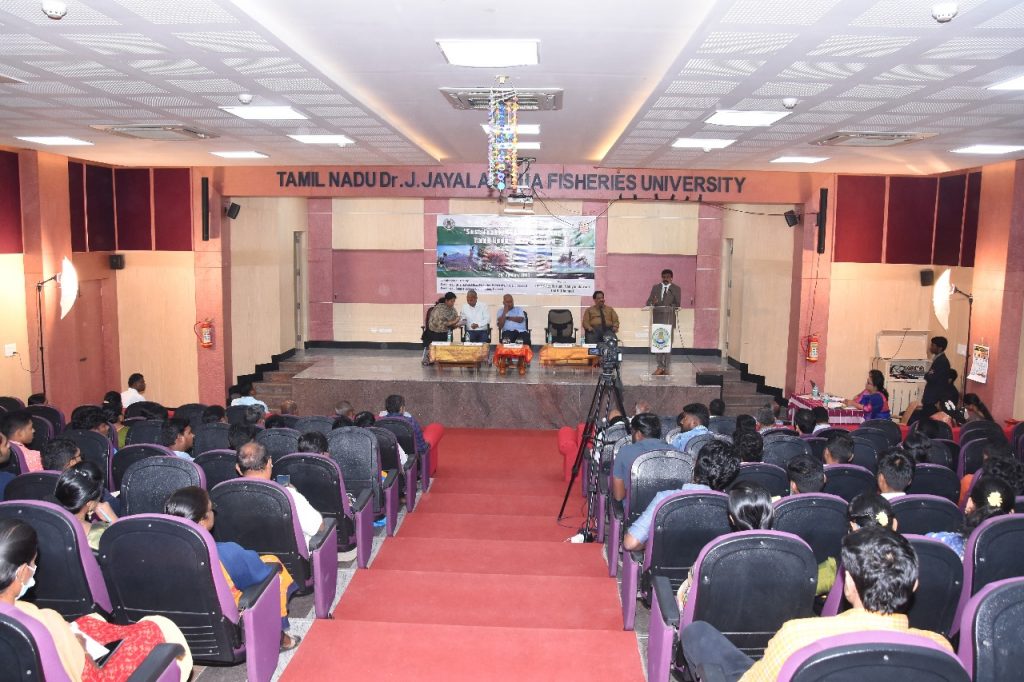
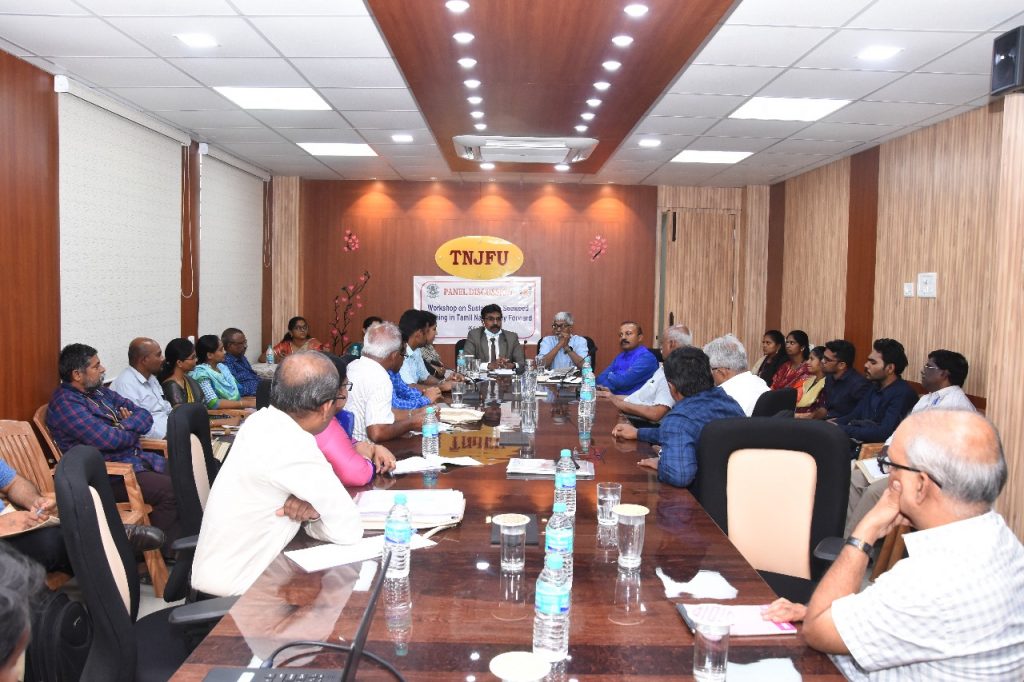
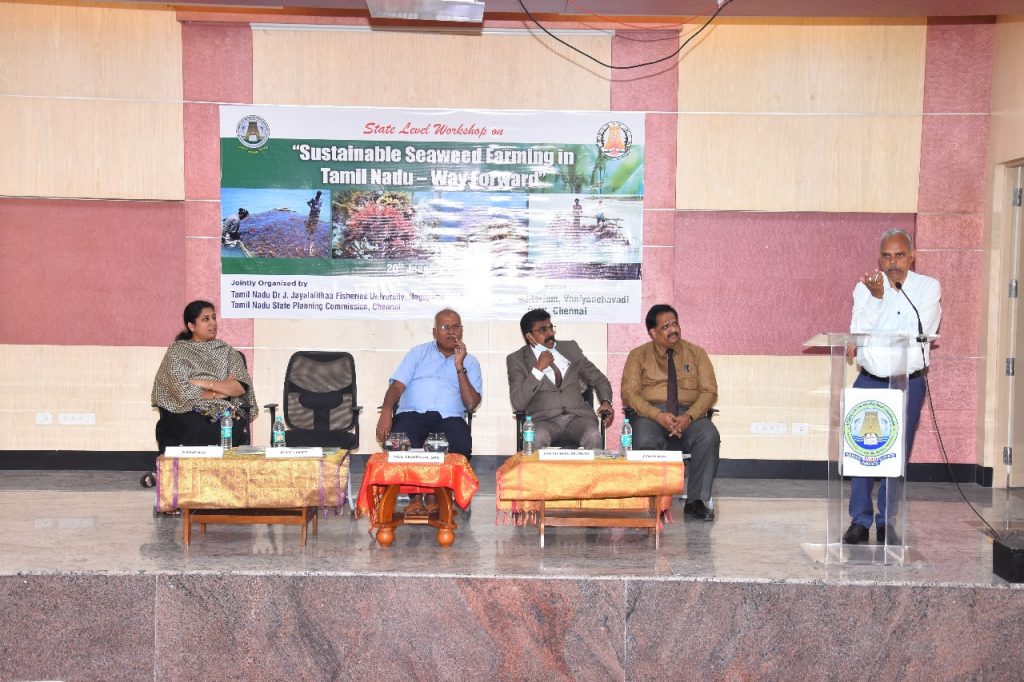
Seaweed cultivation is an economically viable livelihood option for the coastal fishing community from various perspectives. Therefore, it is essential to explore all the scientific and economic aspects of seaweed cultivation so that a comprehensive policy and programmes can be evolved to facilitate the development of seaweed cultivation in Tamilnadu.
From this perspective, Tamil Nadu State Land Use Research Board, State Planning Commission in co-ordination with Dr. J. Jayalalithaa Fisheries University organized a workshop 20th January 2023 on “Sustainable Seaweed Farming in Tamil Nadu – Way Forward” by inviting various stakeholders, subject experts, and related institutions to discuss the different aspects of Seaweed cultivation and to get an insight on the best practices adopted in other states.
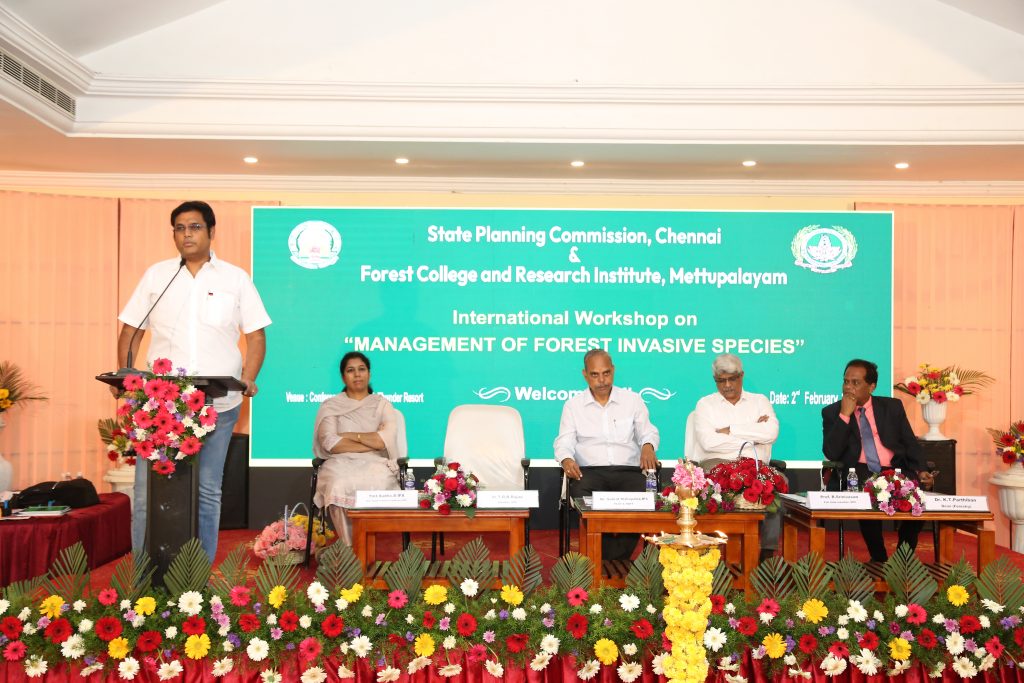
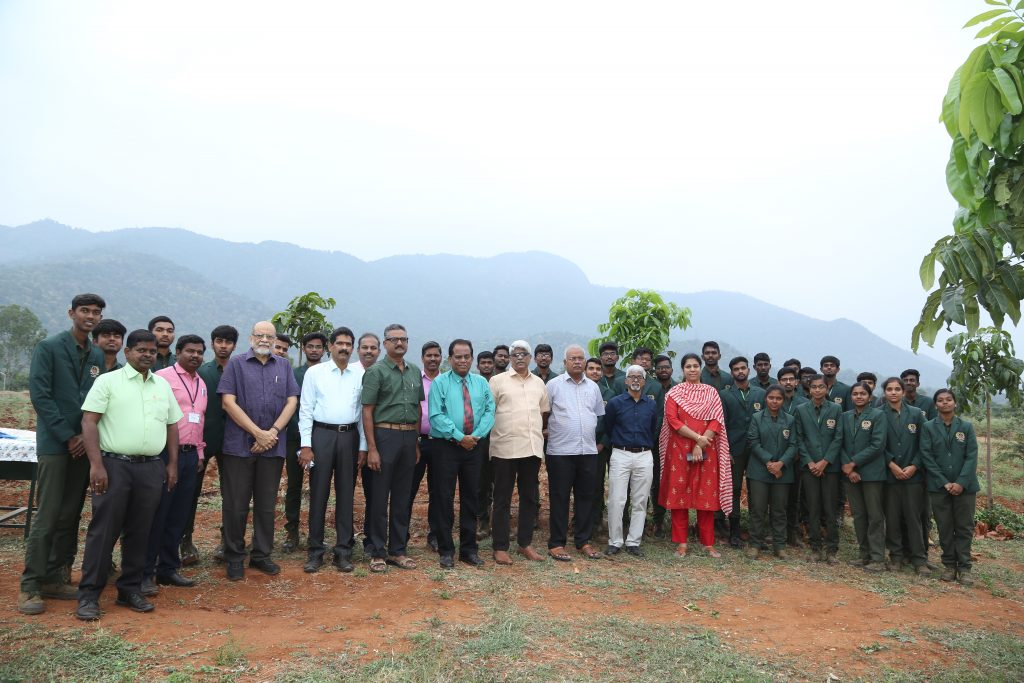
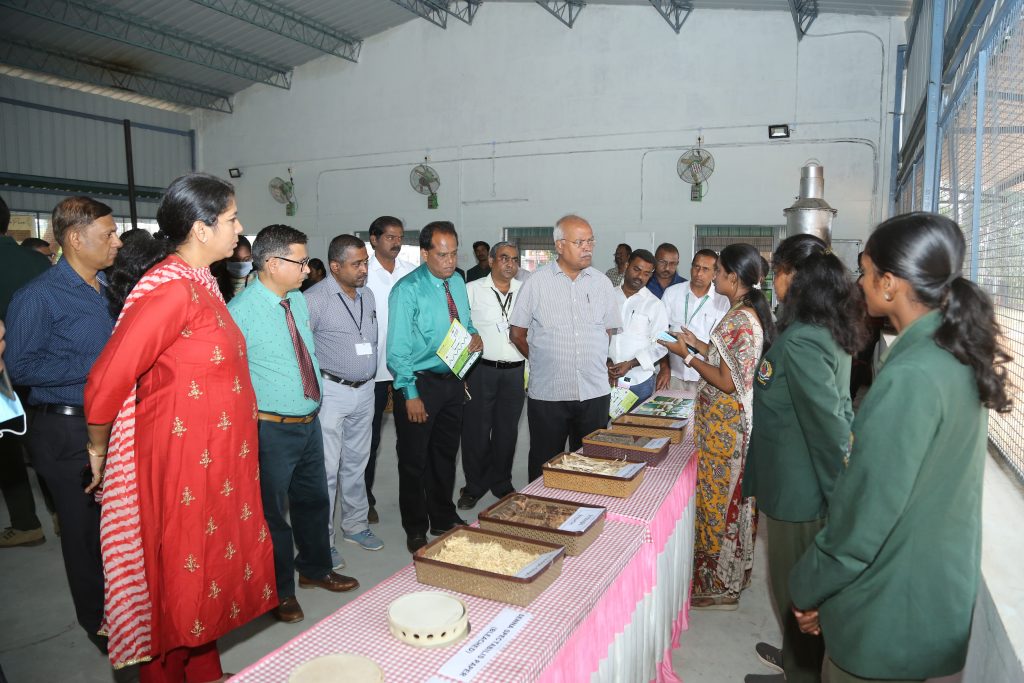
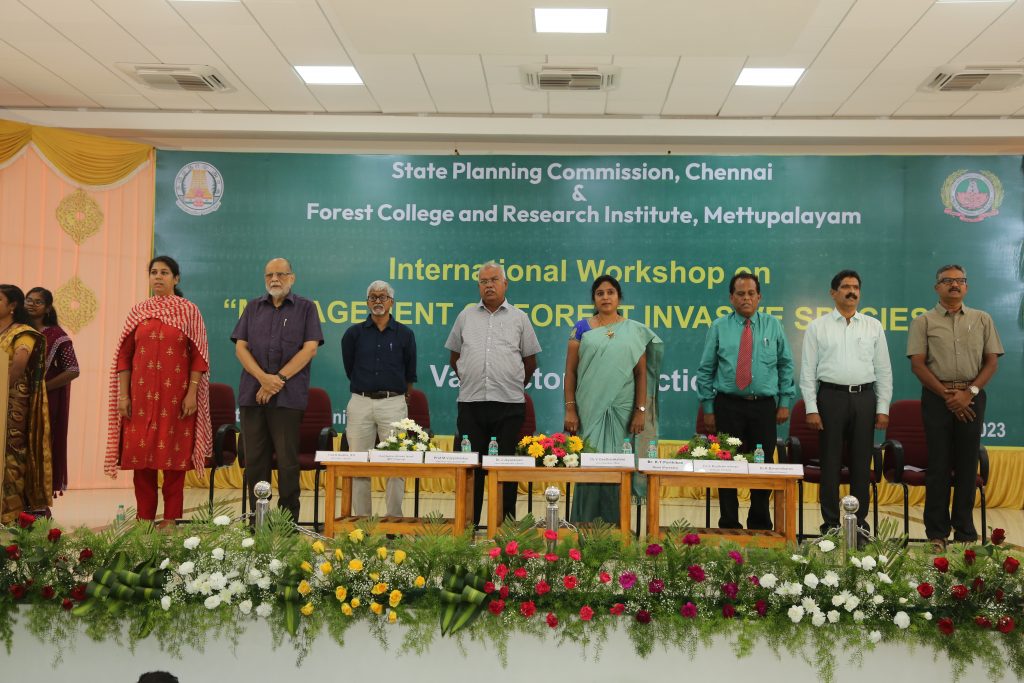
Invasive alien plant species are a major driver of biodiversity loss, posing significant threats to the health of the forests. Management of invasive alien plant species needs a focused and dynamic approach based on studies and field experiences. An understanding of changes in spatial and temporal distribution and abundance of invasive alien plant species is crucial.
To address this pressing issue, the State Planning Commission, in conjunction with the Tamil Nadu State Land Use Research Board and the Forest College & Research Institute, orchestrated the “International Workshop on Management of Forest Invasive Species” during 2nd and 3rd February 2023 at Mettupalayam
The workshop urges the departments concerned to identify the baseline, carry out assessment using standard scientific methods using geospatial technology, and develop a strategy using the decision support system.
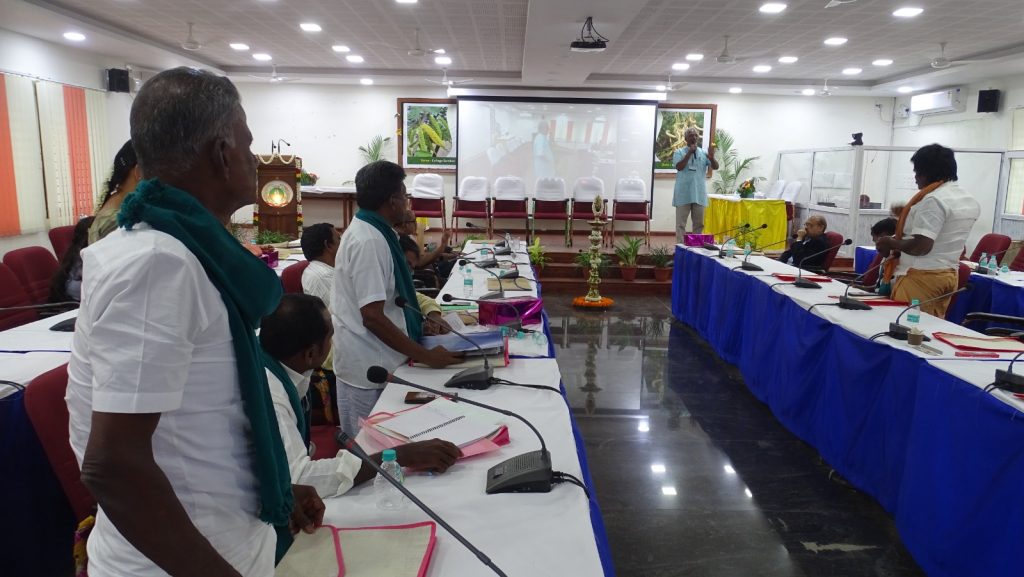
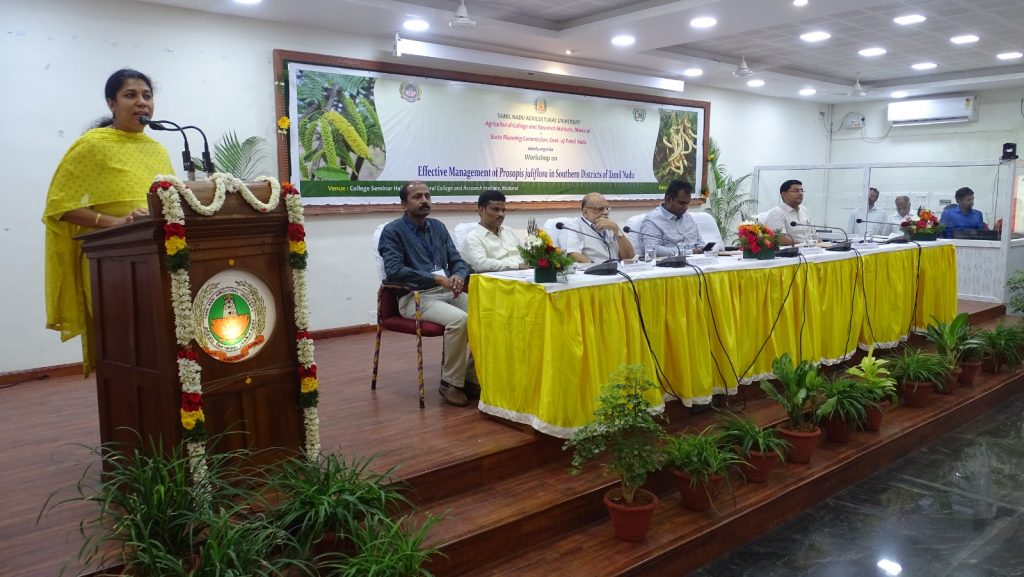
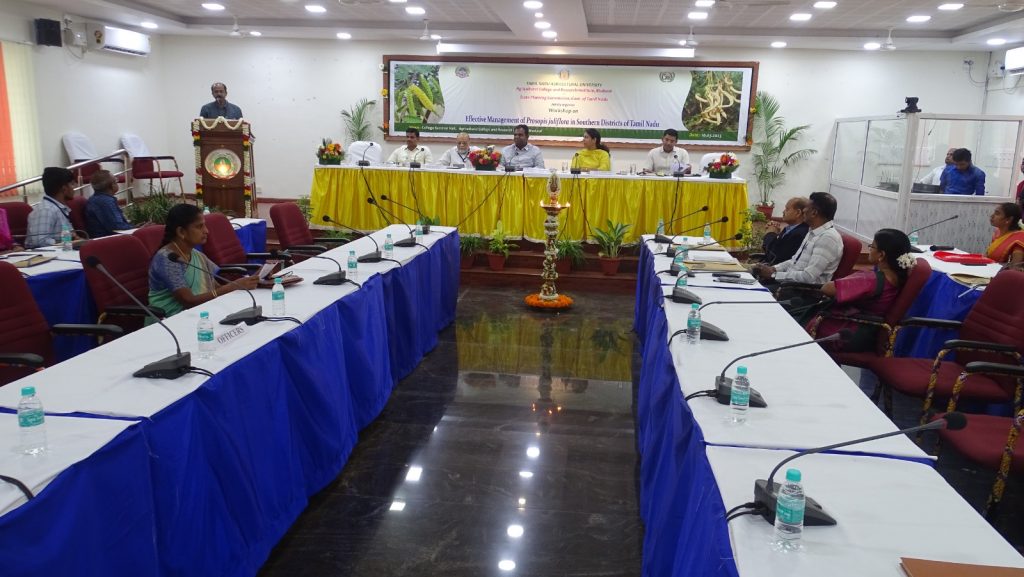
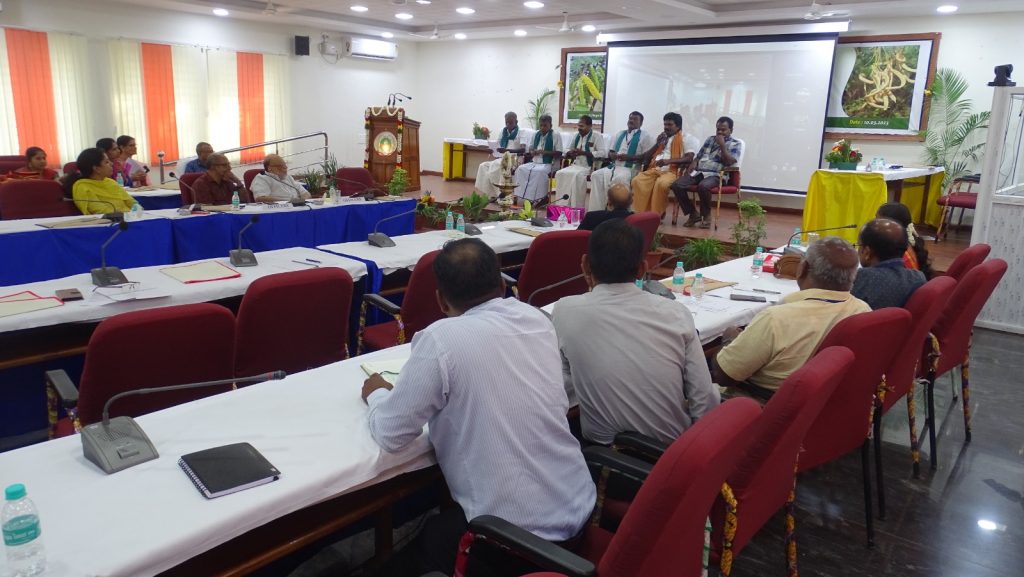
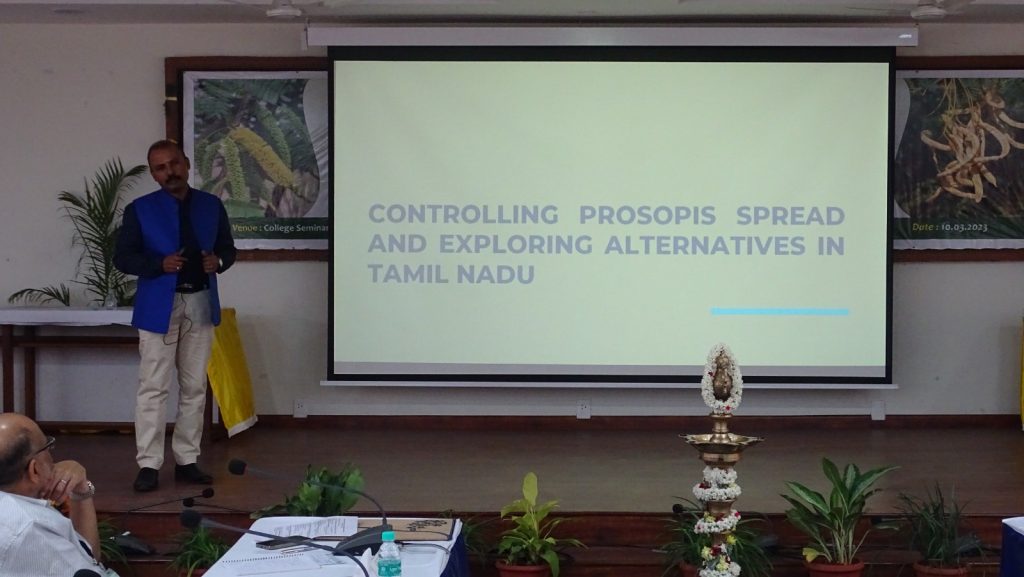
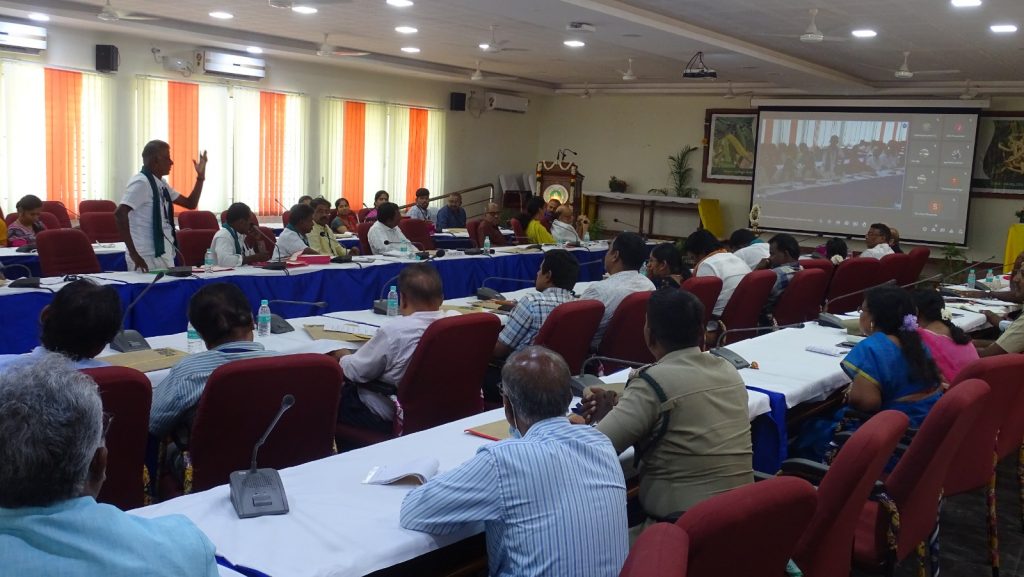
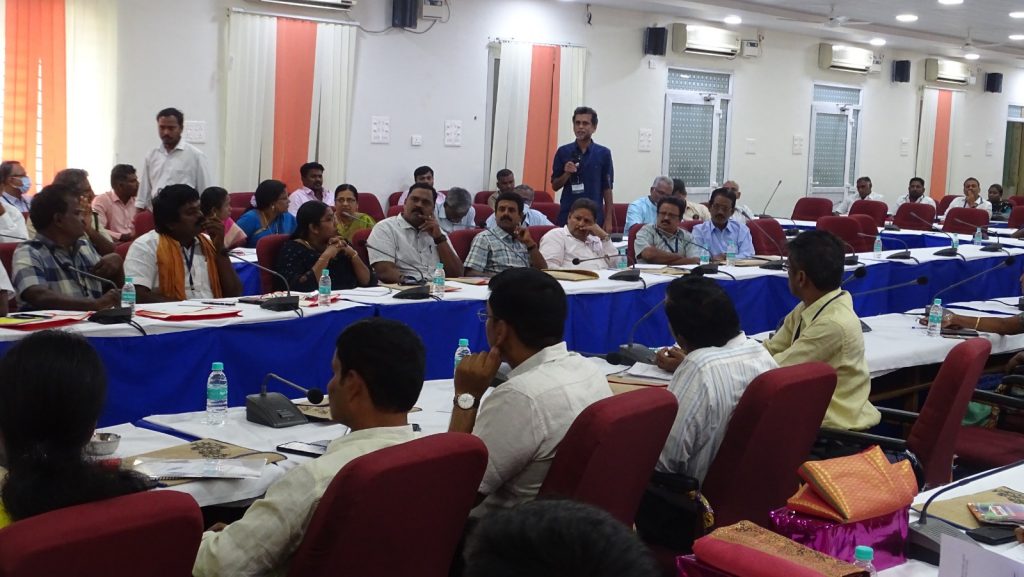
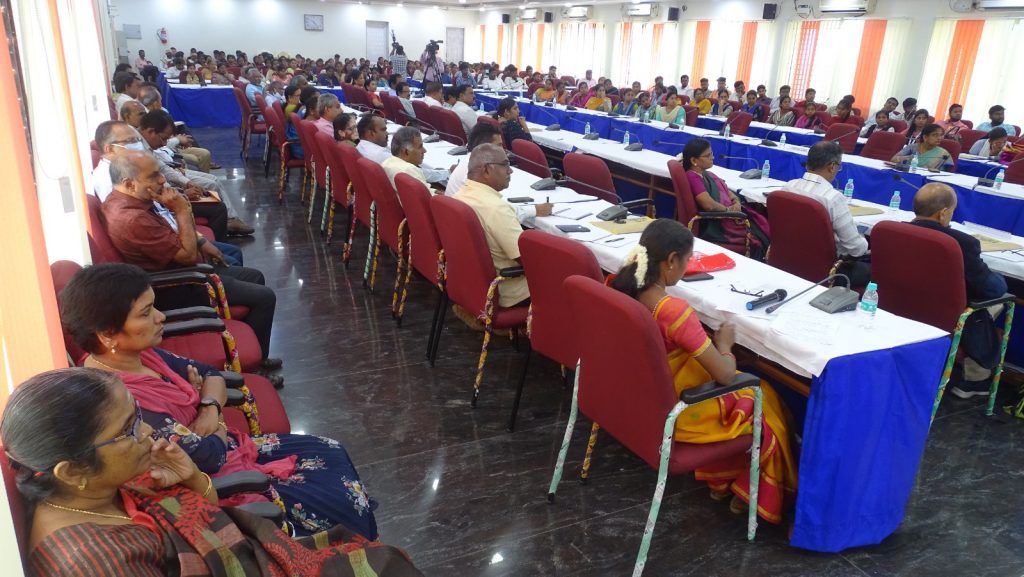
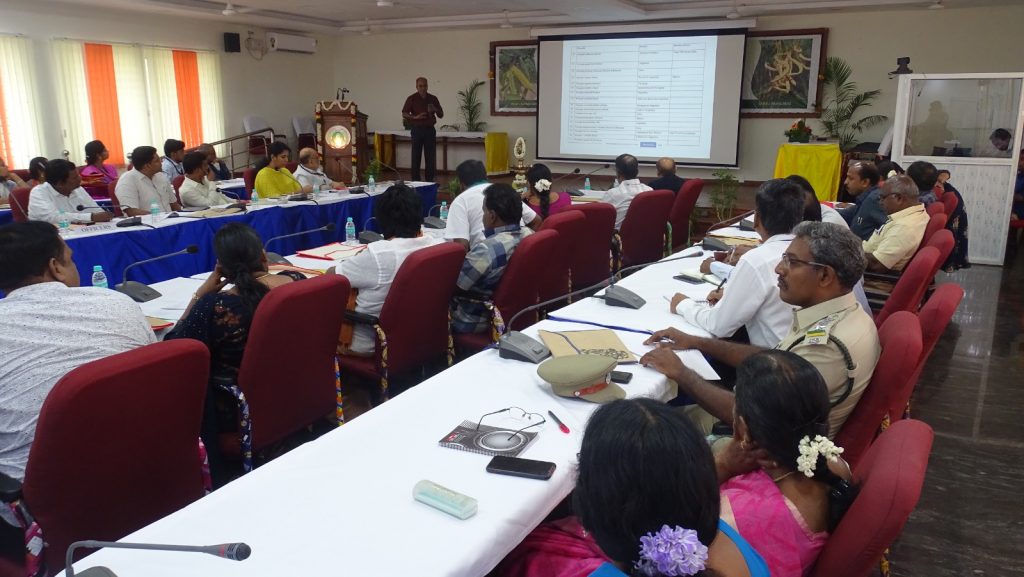
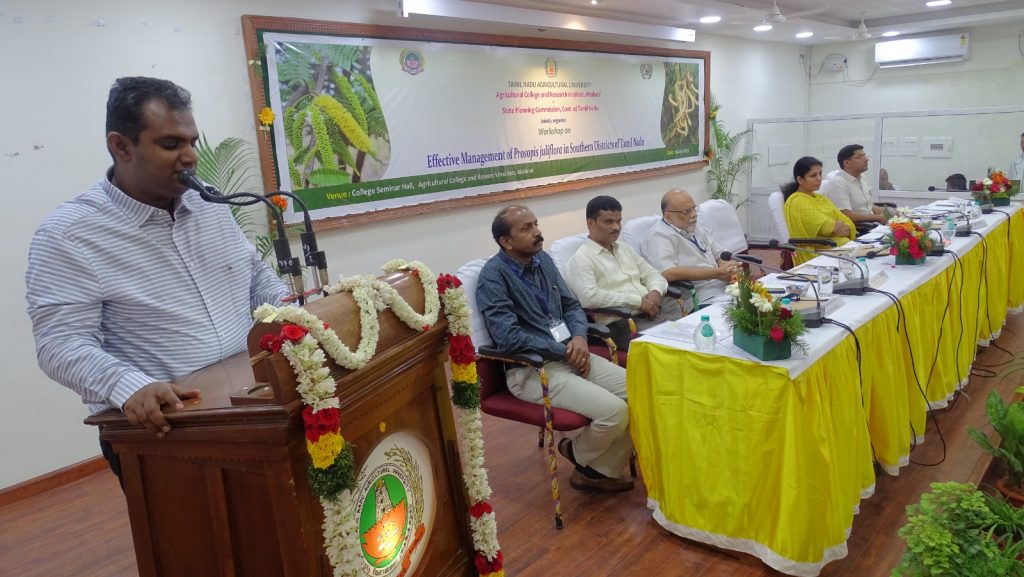
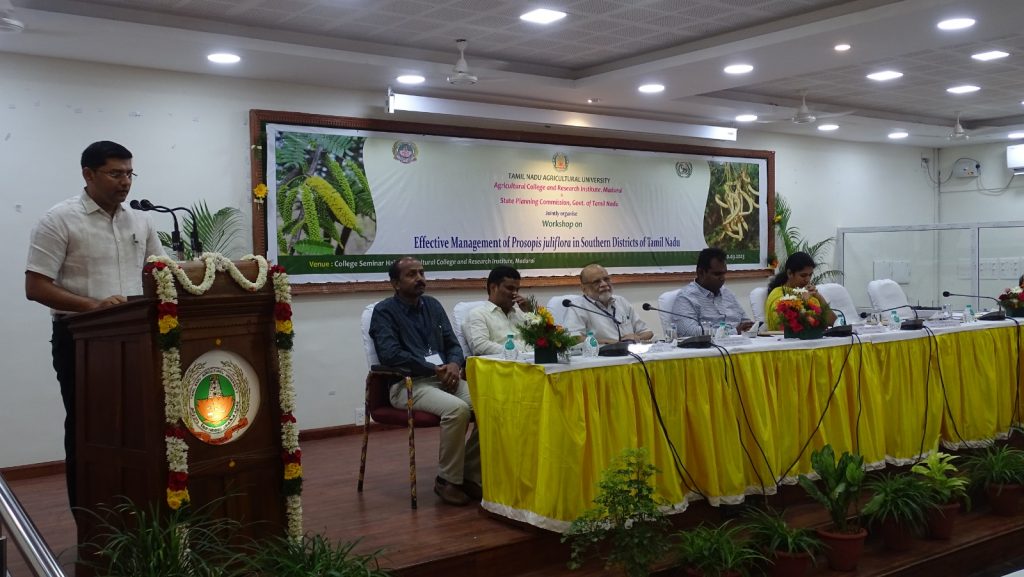
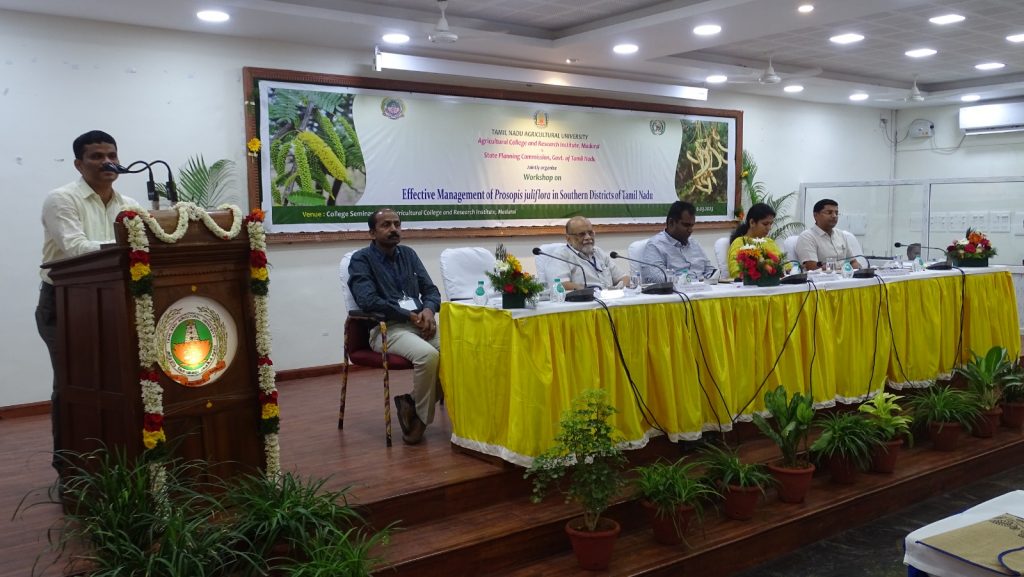
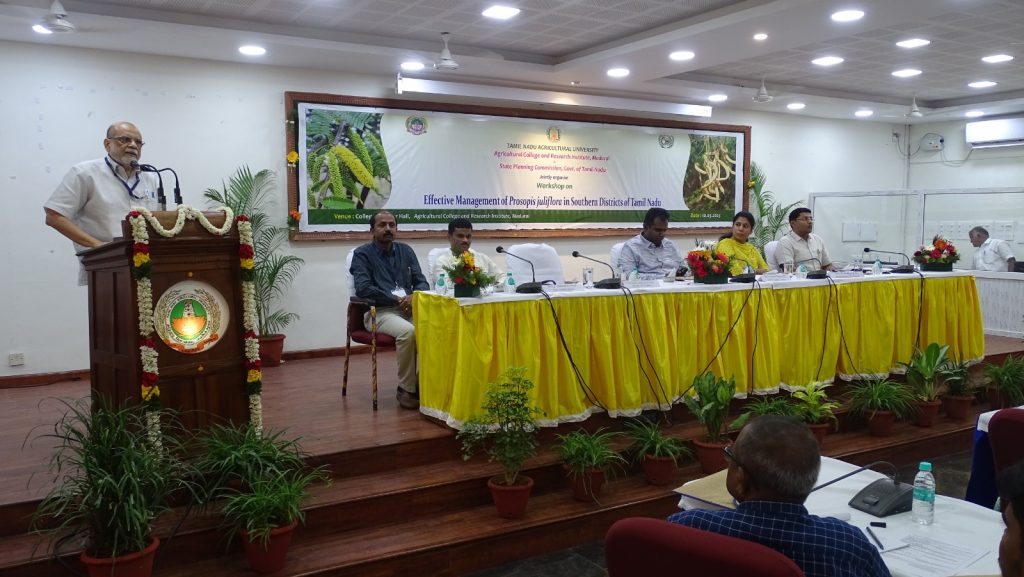
Prosopis juliflora is one of the worst invaders affecting natural and man-made ecosystems and local biodiversity in Tamil Nadu. Therefore, complete eradication of P. juliflora is deemed necessary across the state. With this view, the Tamil Nadu State Land Use Board, State Planning Commission and Agricultural College and Research Institute, Tamil Nadu Agricultural University jointly organized a workshop on 10th March 2023, inviting various stakeholders, subject experts, and related institutions to discuss the possible management of Prosopis juliflora and gain insight into best practices adopted in other states.
It was also discussed on optimizing the use of Prosopis, providing livelihood opportunities, achieving sustainability, protecting biodiversity, framing policies, and drawing effective management strategies. Positive and negative implications of Prosopis juliflora on the environment, health, livelihood, ecosystem services, and socio-economic activities were discussed in detail to develop strategies for effective management of Prosopis juliflora.
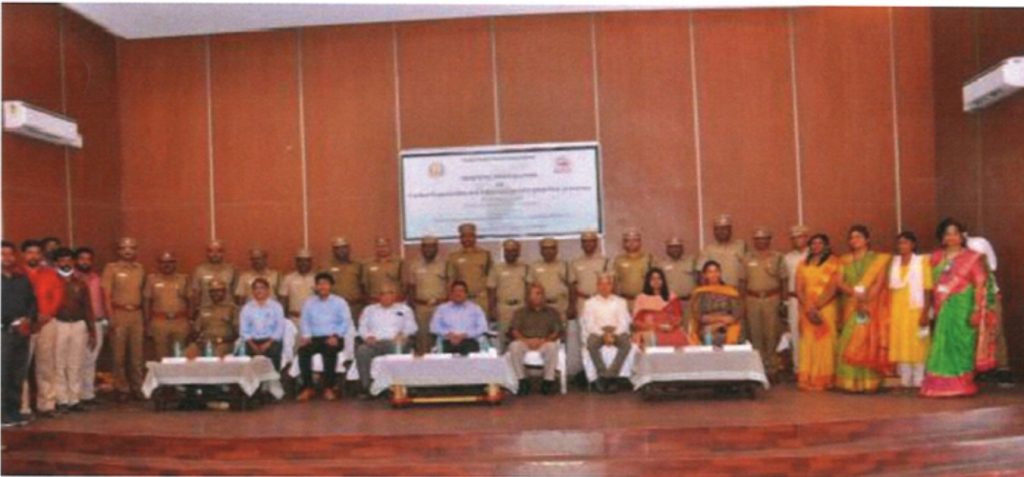
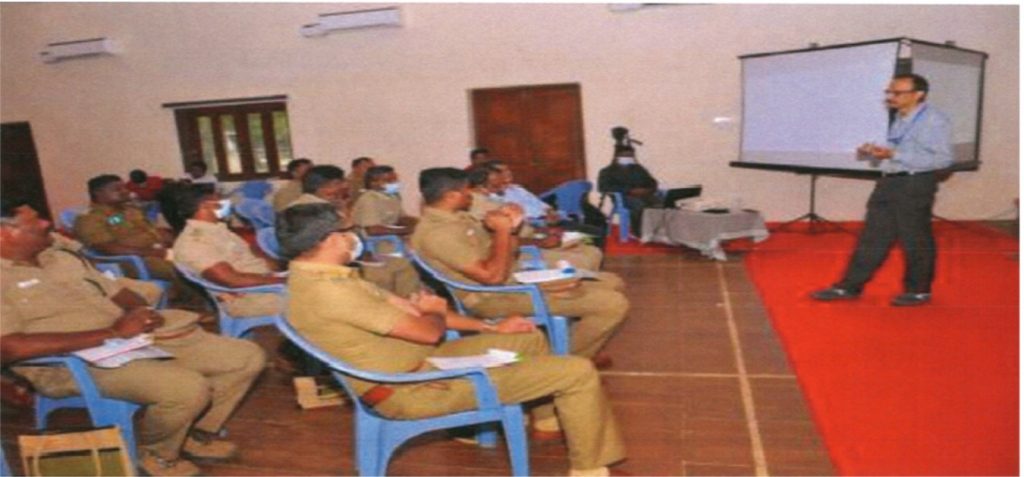
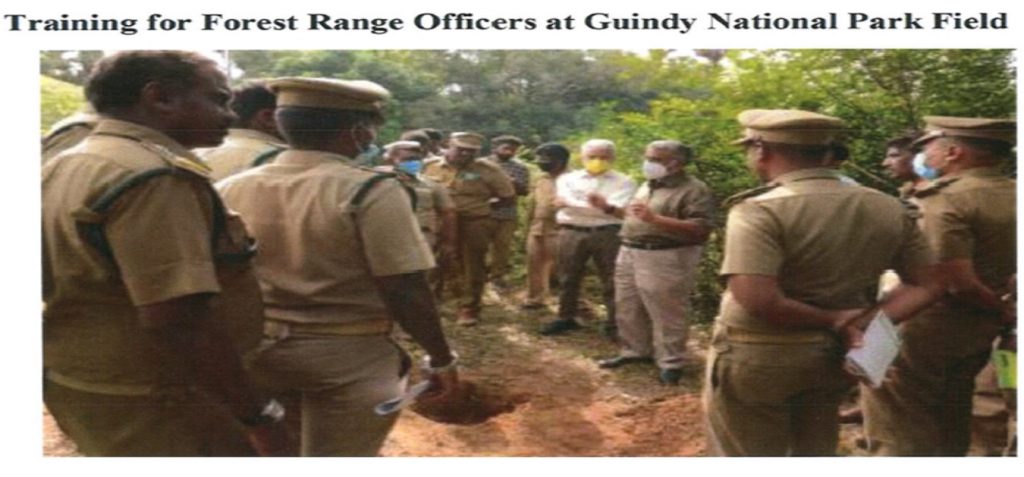
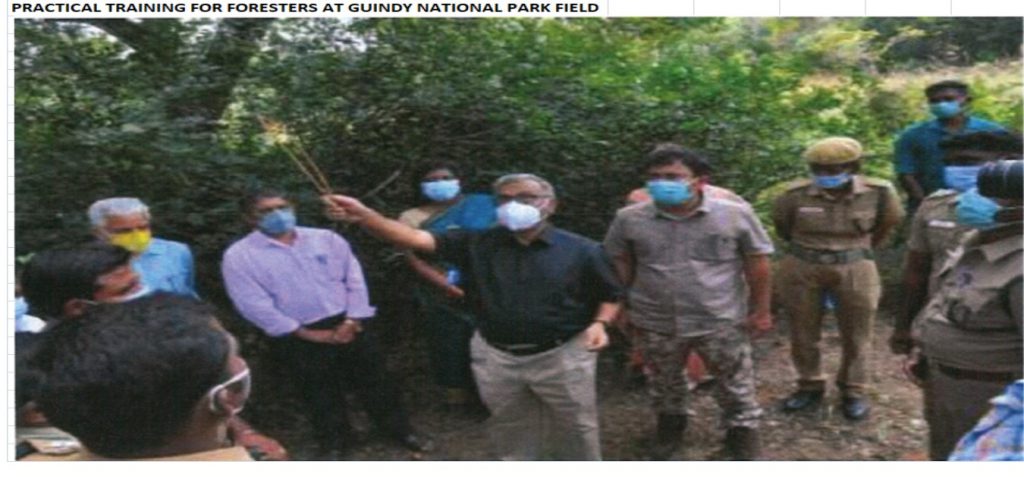
Webinar and Workshop were conducted by Centre for Climate Change and Disaster Management, Anna University under the ages of Tamil Nadu State Land Use Board, State Planning Commission during January 2022 and February 2022.
This workshop focussed on addressing climate change through the goals of the Green India Mission (GIM). The program aimed to enhance carbon sequestration (storage) and improve the adaptability of ecosystems and communities facing climate change.
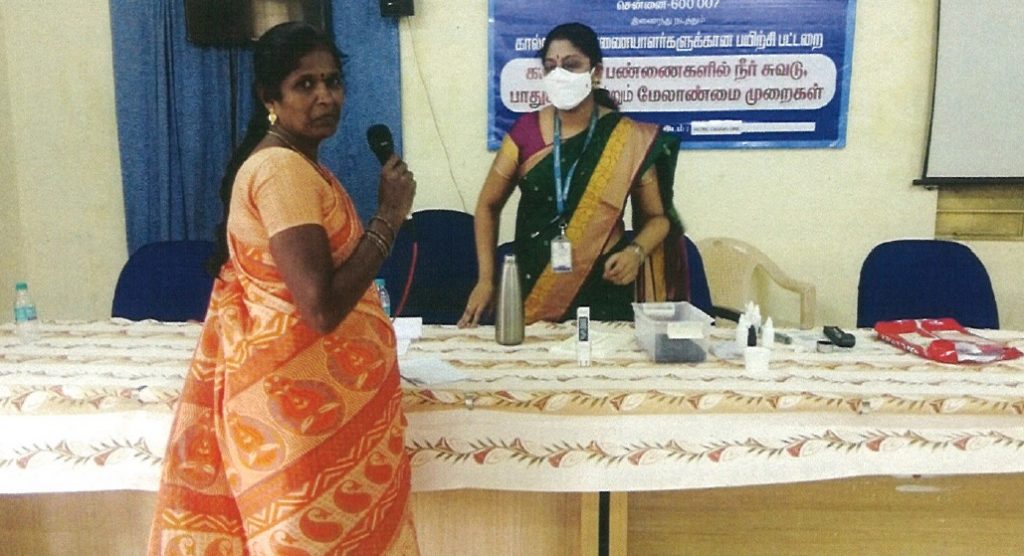
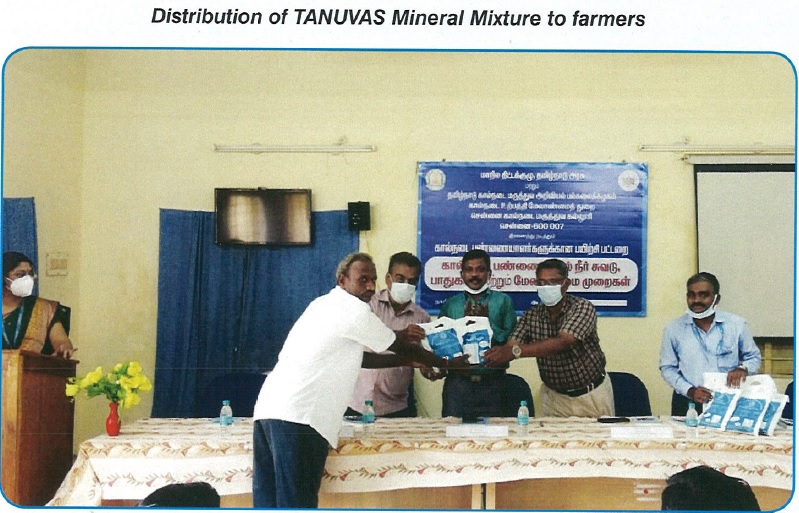
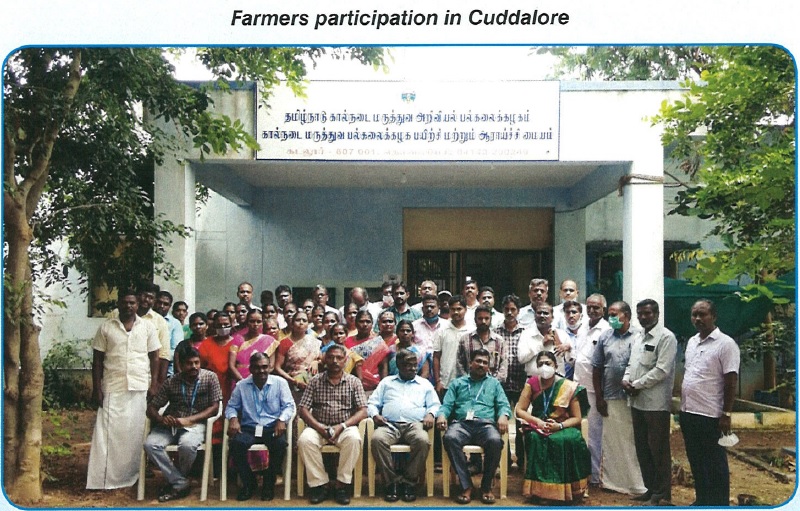
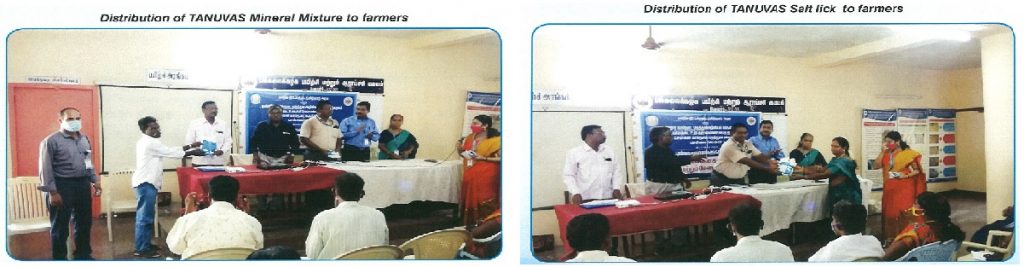
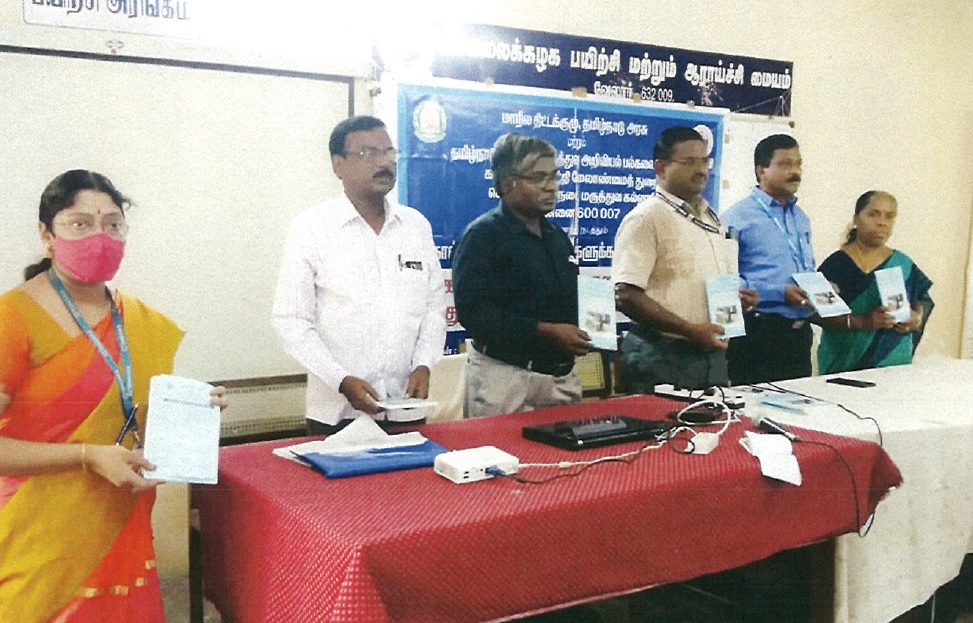
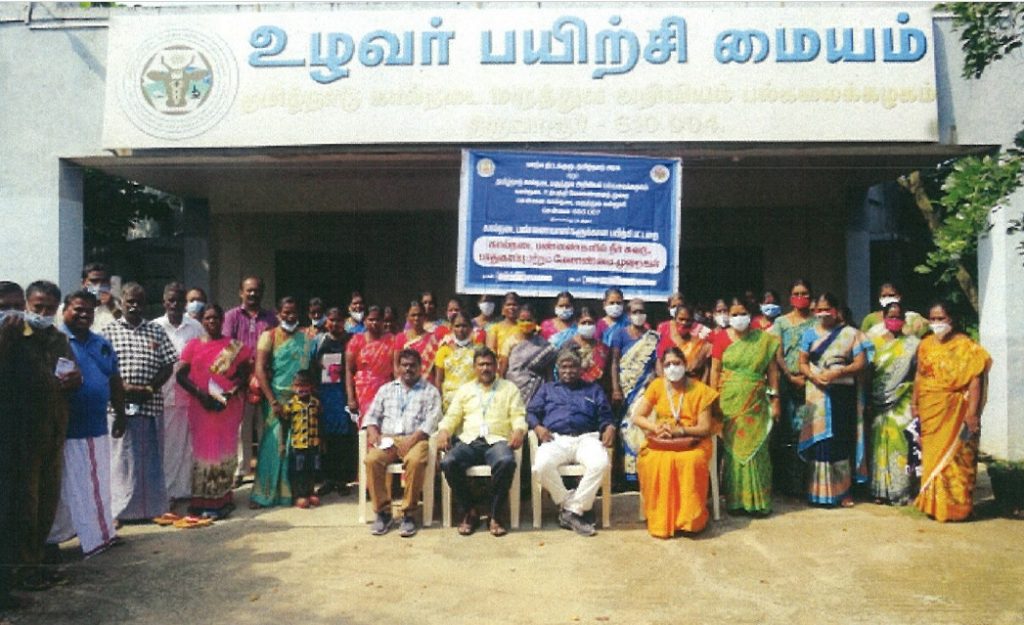
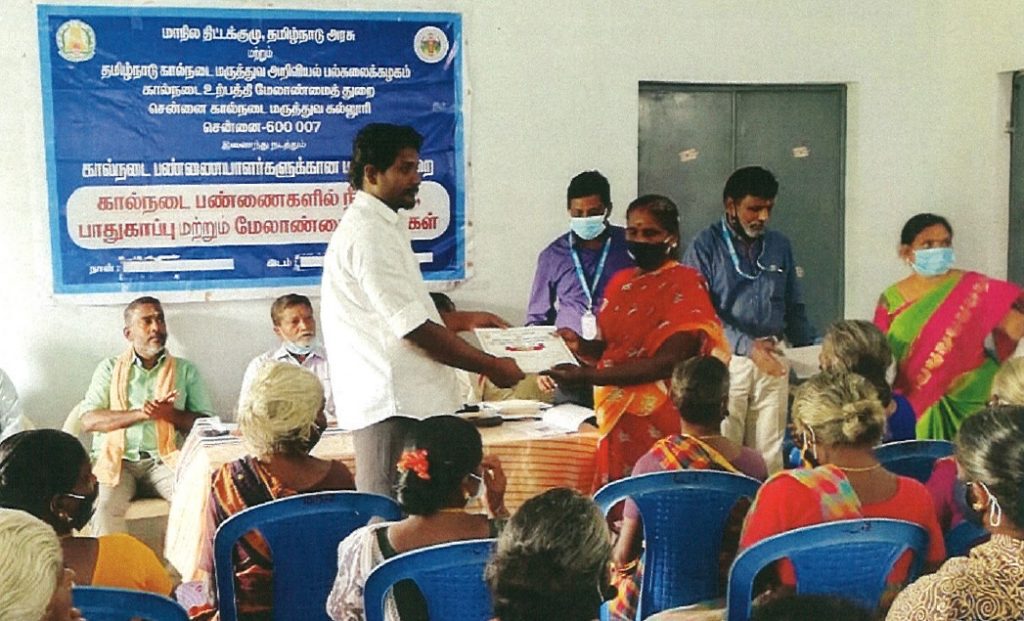
This workshop was conducted by Tamil Nadu Veterinary and Animal Sciences University ( TANUVAS) under the ages of Tamilnadu State Land Use Board, State Planning Commission during September 2021 and December 2021
The objective of the workshop is to create awareness on water availability and utilization patterns in livestock farming systems and to sensitize the farmers and entrepreneurs on efficient water usage and water conservation methods in various livestock farming systems.
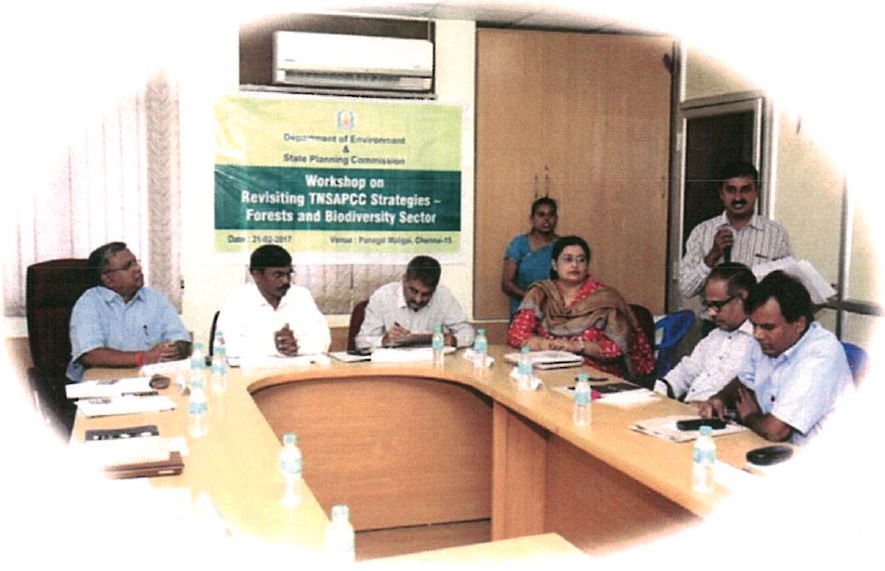
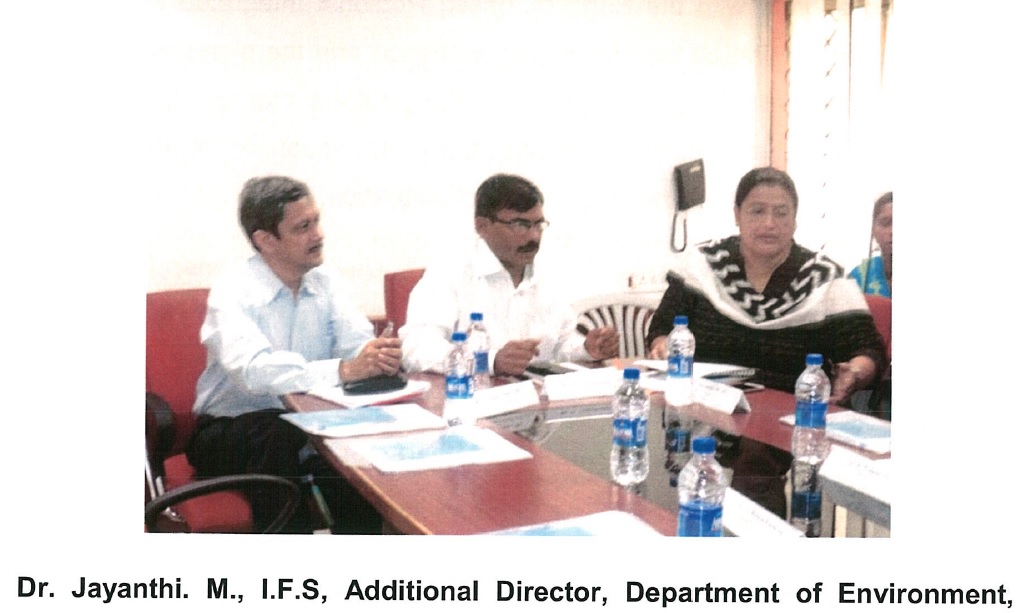
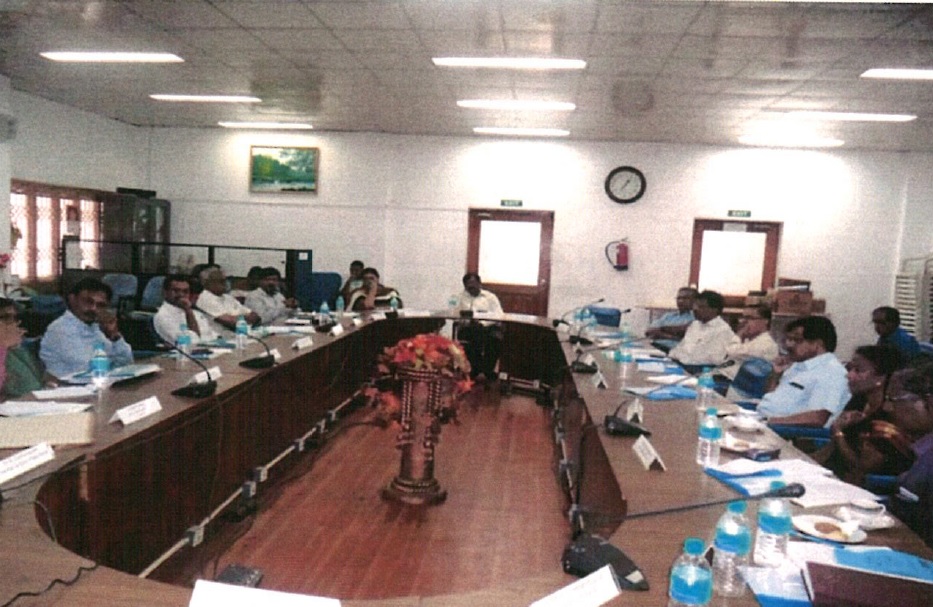
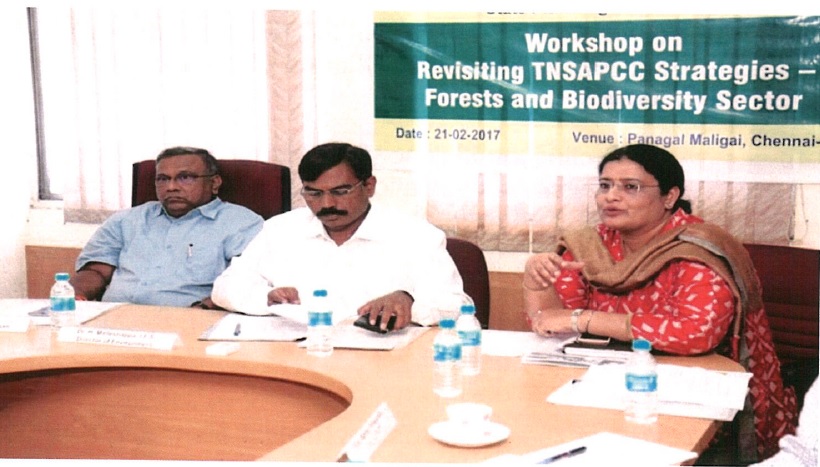
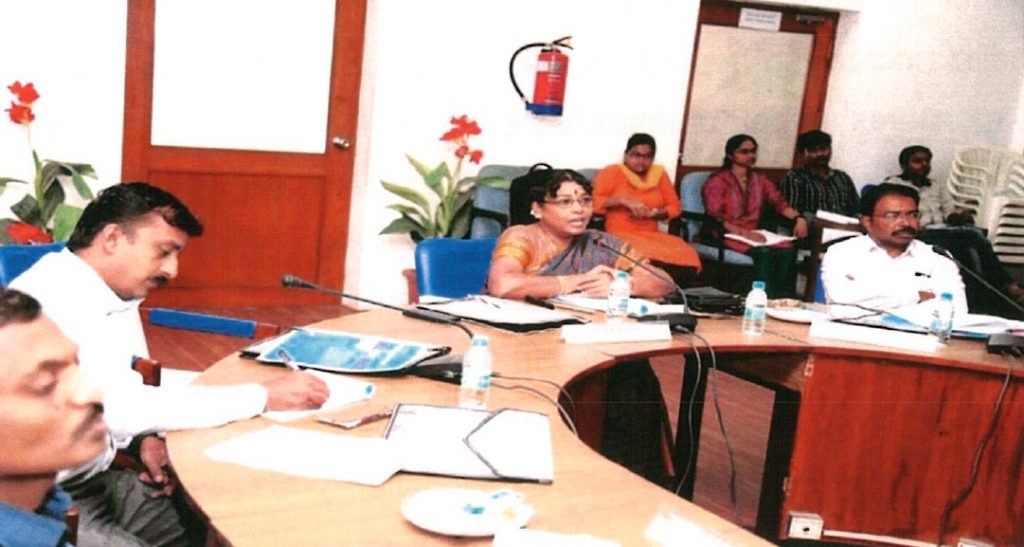
The aim of the workshop is to create a platform for discussing and revisiting the Tamil Nadu State Action Plan for Climate Change strategies under each of the identified vulnerable sectors and to update the sectors accordingly.
The Department of Environment, being the nodal agency had drafted the Tamil Nadu State Action Plan on Climate Change which was endorsed by the Ministry of Environment, Forest and Climate Change, Government of India on 31.03.2015 and also conducted the workshop on all the identified sectors.
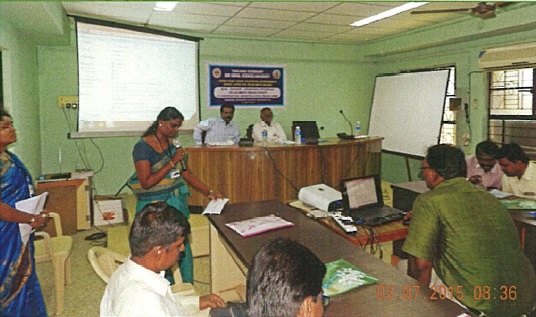
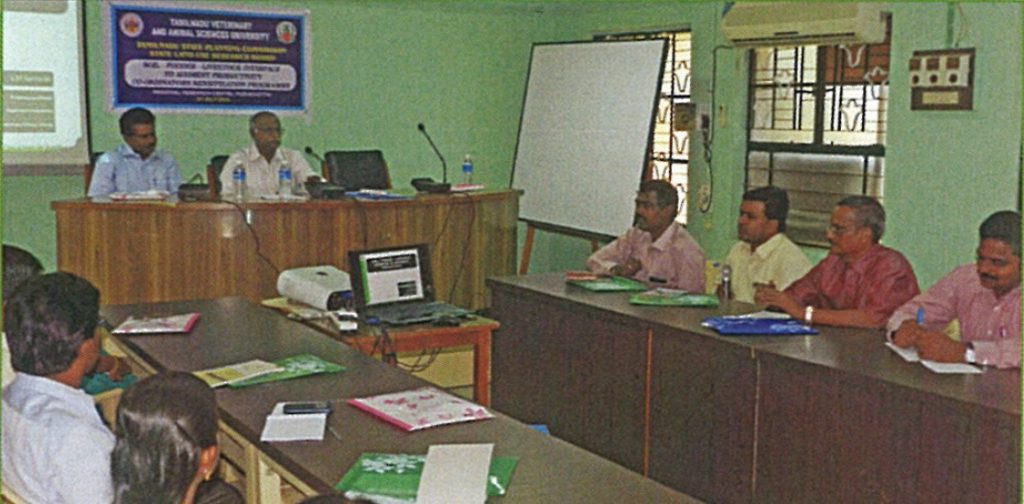
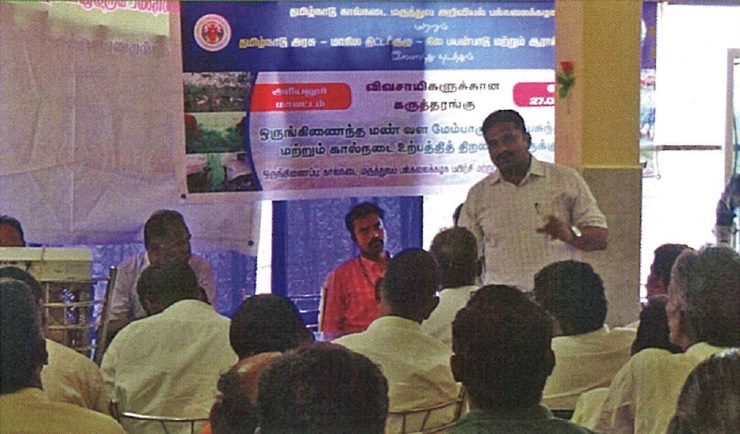
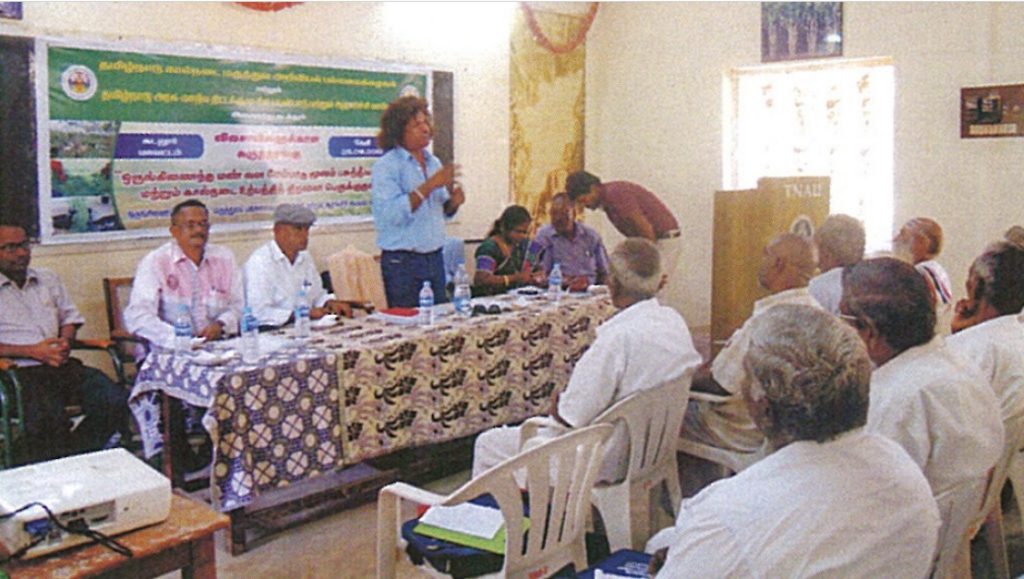
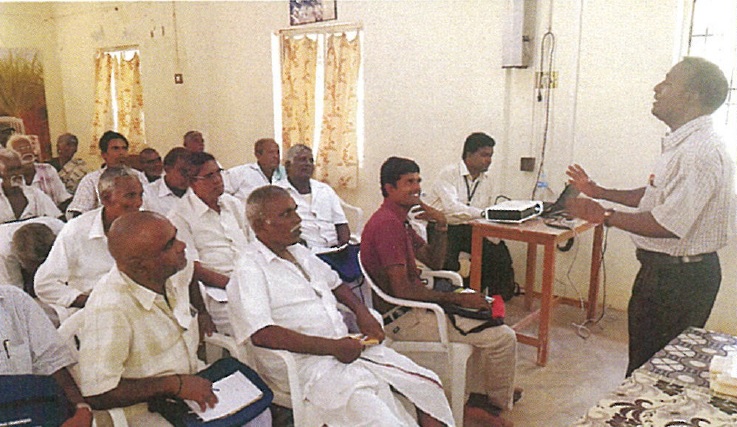
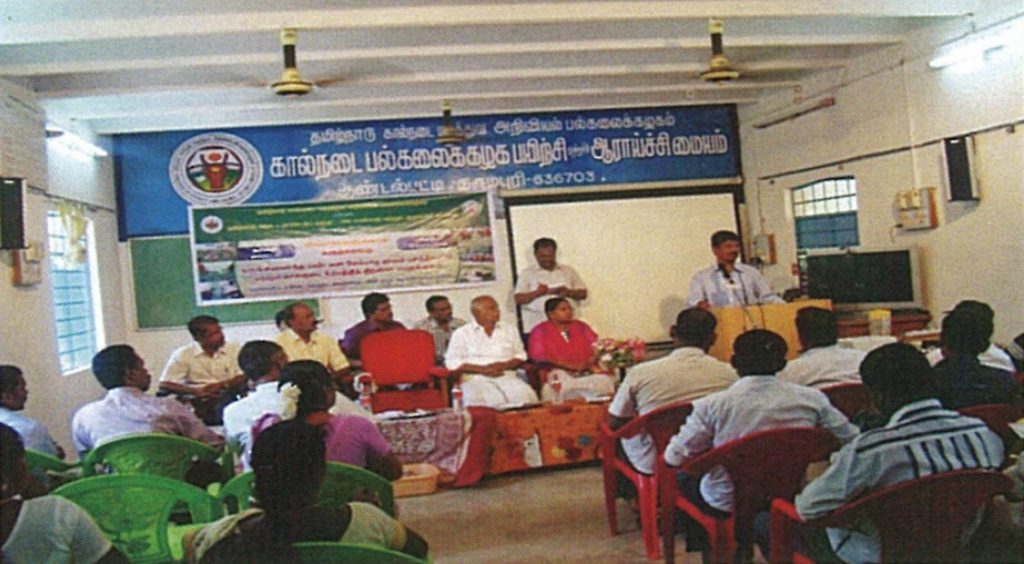
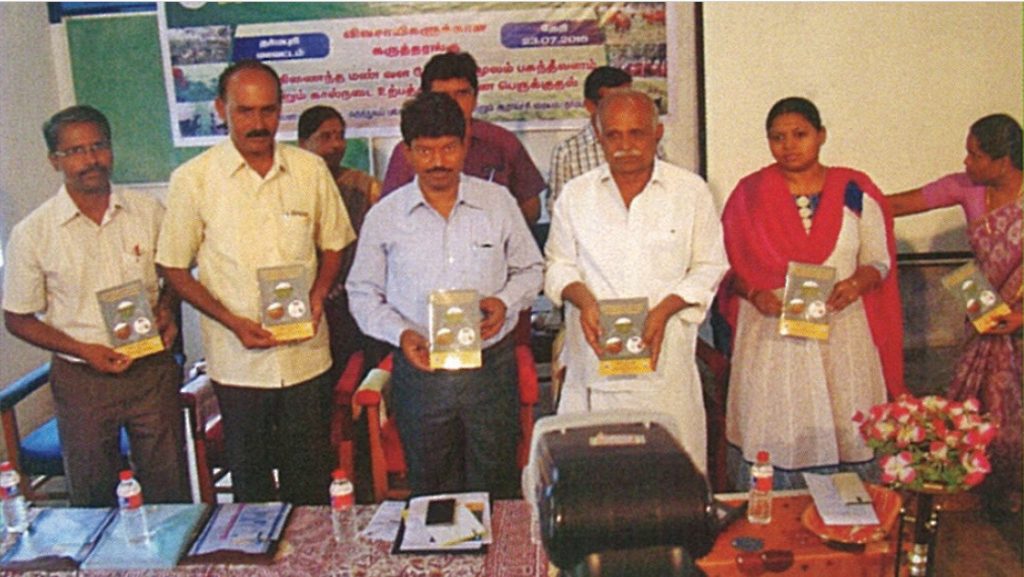
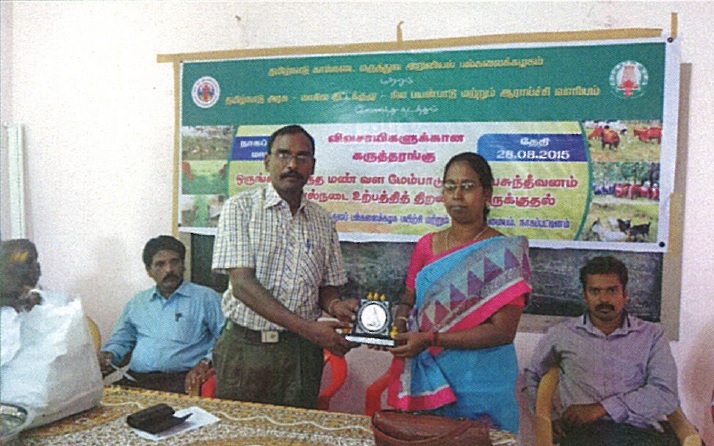
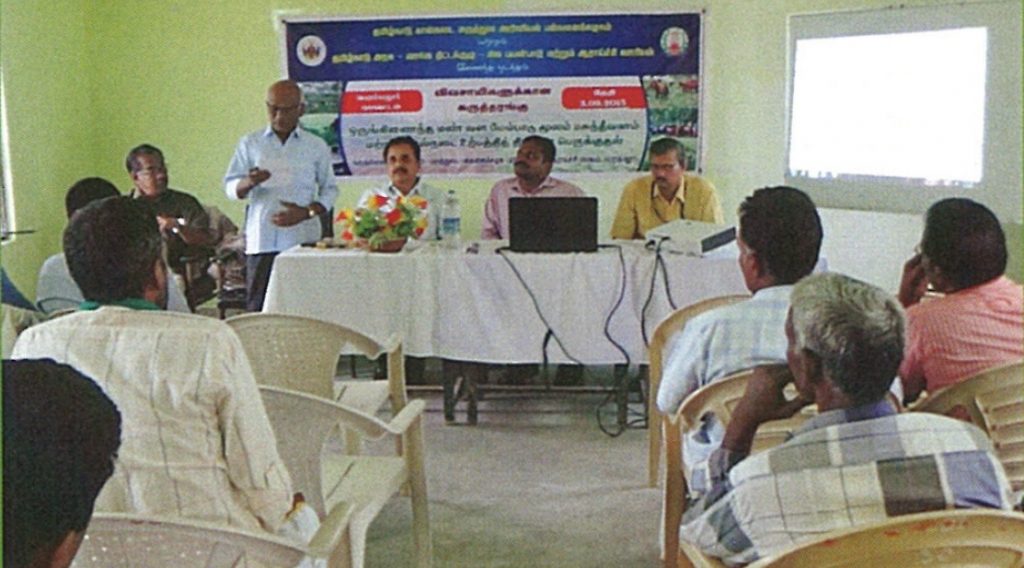
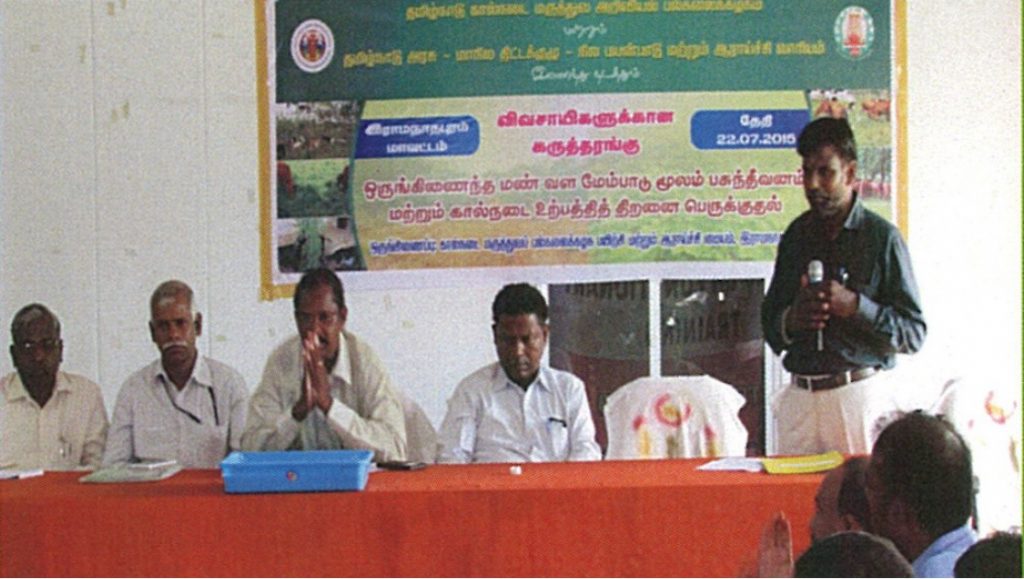
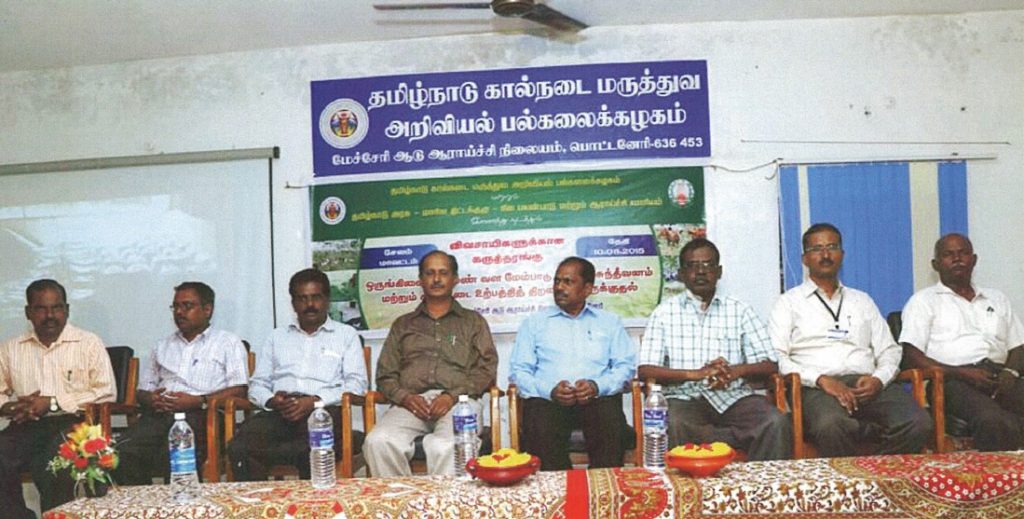
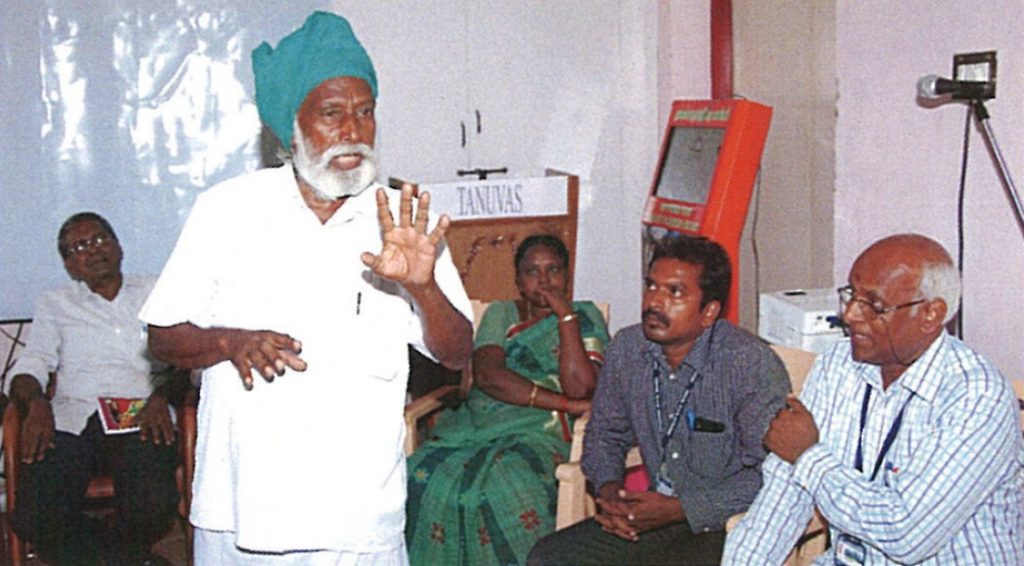
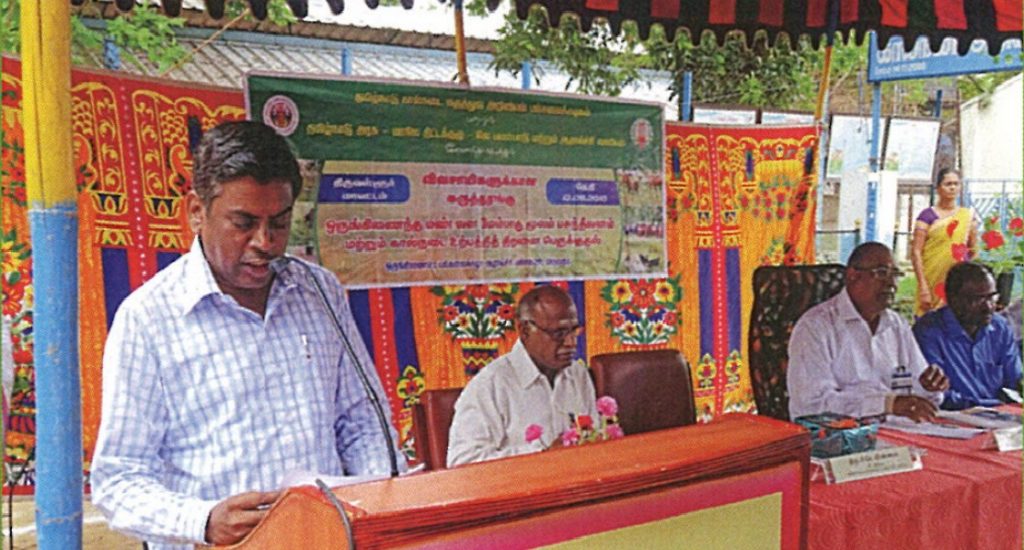
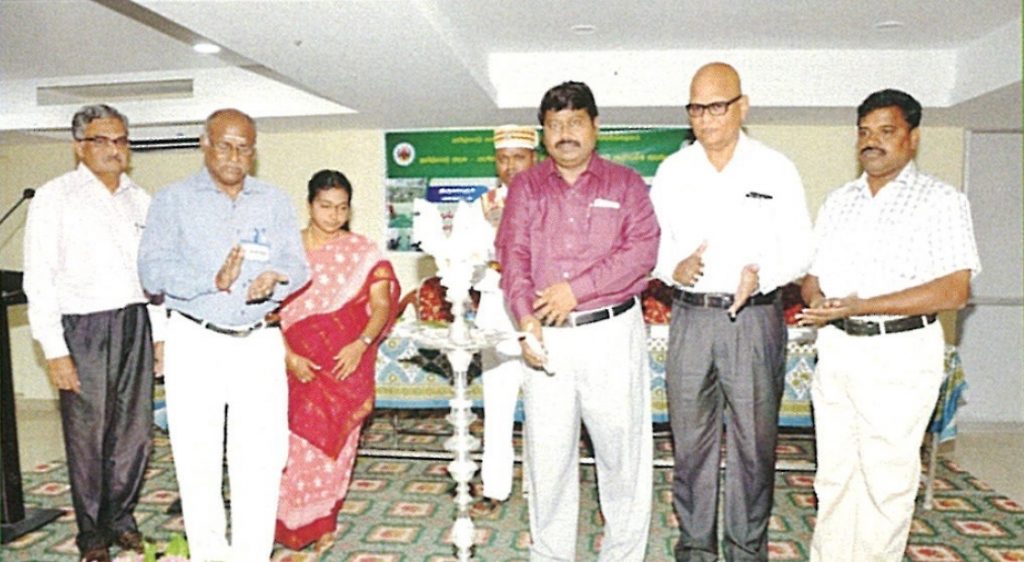
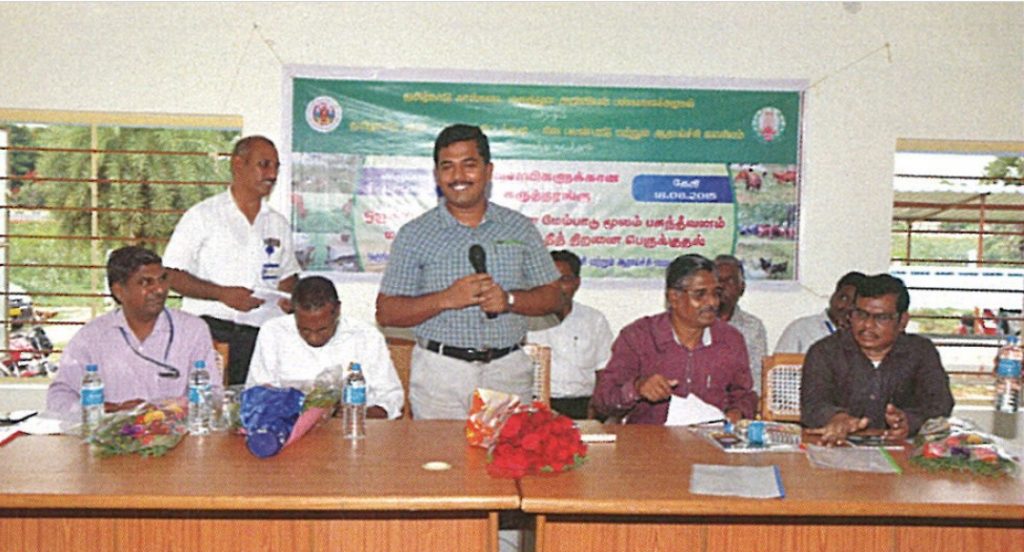
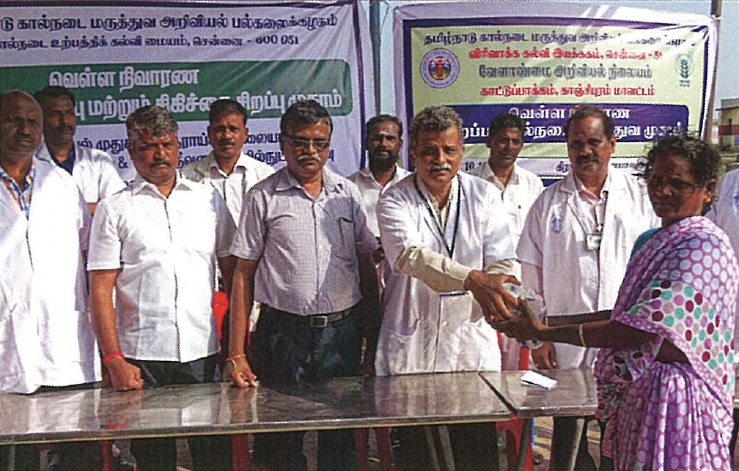
To sensitize farmers to improve the soil and fodder production possibilities in integrated crop-livestock systems, workshop on “Soil-Fodder-Livestock interface to augment productivity” was conducted by Tamil Nadu State Land Use Board jointly with Tamil Nadu Veterinary and Animal Sciences University during July 2015 to August 2015. It was conducted in 16 districts viz., Ariyalur, Cuddalore, Dharmapuri, Kancheepuram, Krishnagiri, Nagapattinam, Perambalur, Pudukottai, Ramanathapuram, Salem, Sivagangai, Thanjavur, Thiruvallur, Thiruvarur, Vellore & Villupuram The Nilgiris, Coimbatore, Tiruppur, in Tamil Nadu.
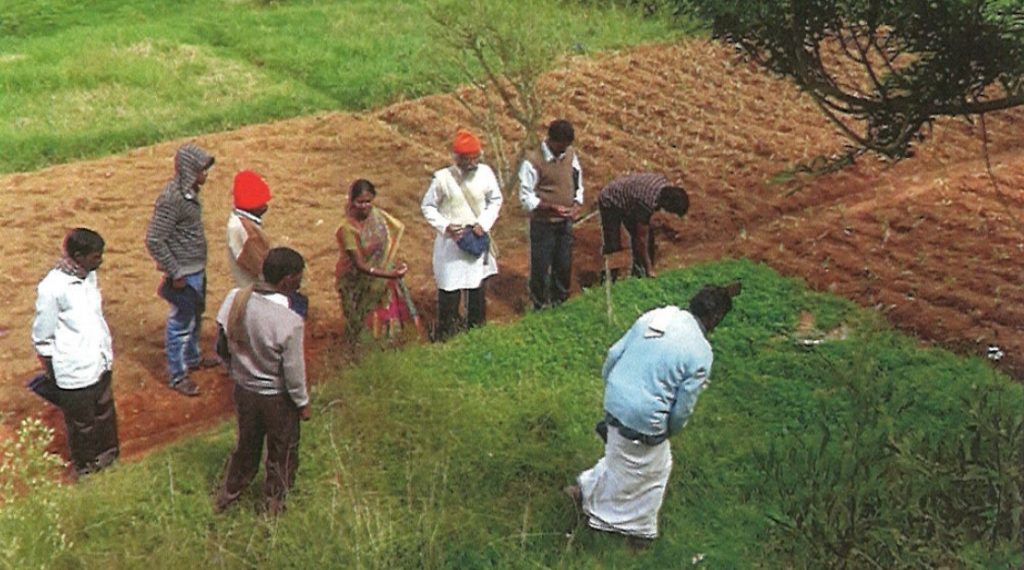
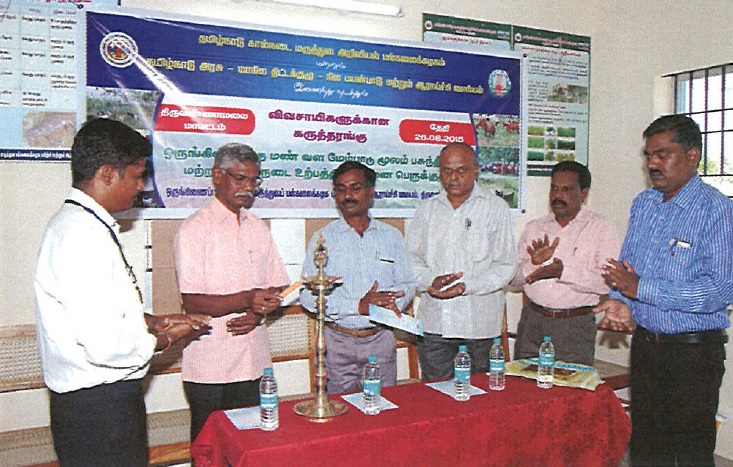
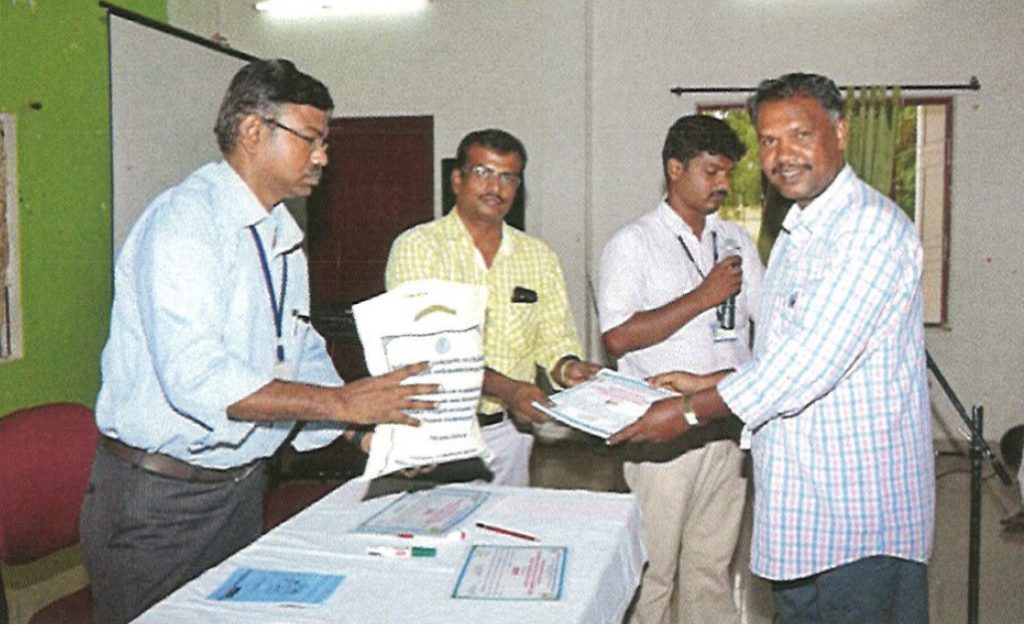
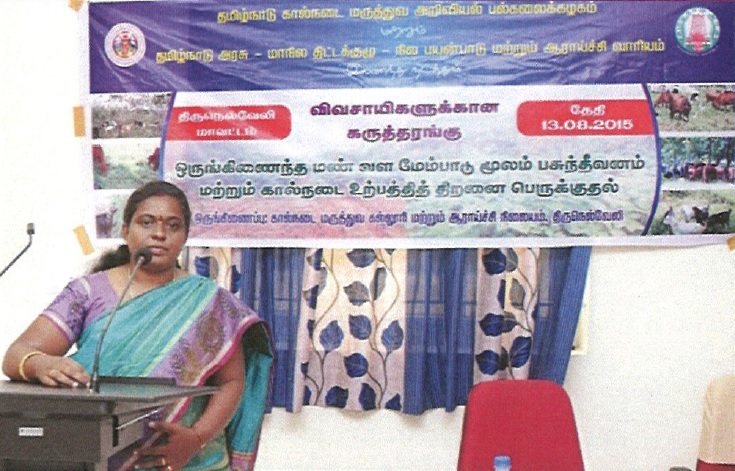
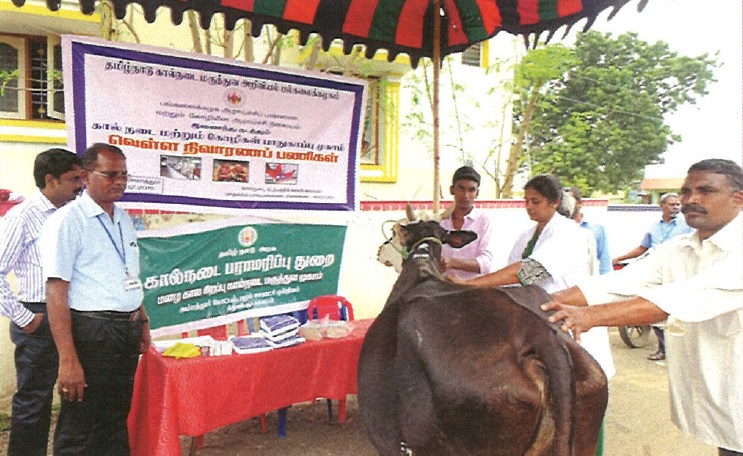
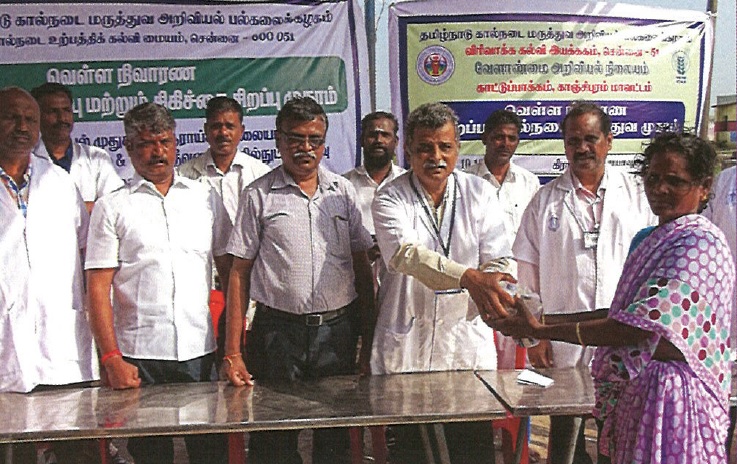
To sensitize farmers to improve the soil and fodder production possibilities in integrated crop-livestock systems, workshop on “Soil-Fodder-Livestock interface to augment productivity” was conducted by Tamil Nadu State Land Use Board jointly with Tamil Nadu Veterinary and Animal Sciences University during August 2015 to September 2015.
In the Phase – II programme, 16 districts viz., Chennai, Coimbatore, Dindigul, Erode, Kanyakumari, Karur, Madurai, Namakkal, the Nilgiris, Theni, Trichy, Tiruvannamalai, Thoothukudi, Tirunelveli, Tirupur & Virudhunagar in Tamil Nadu.
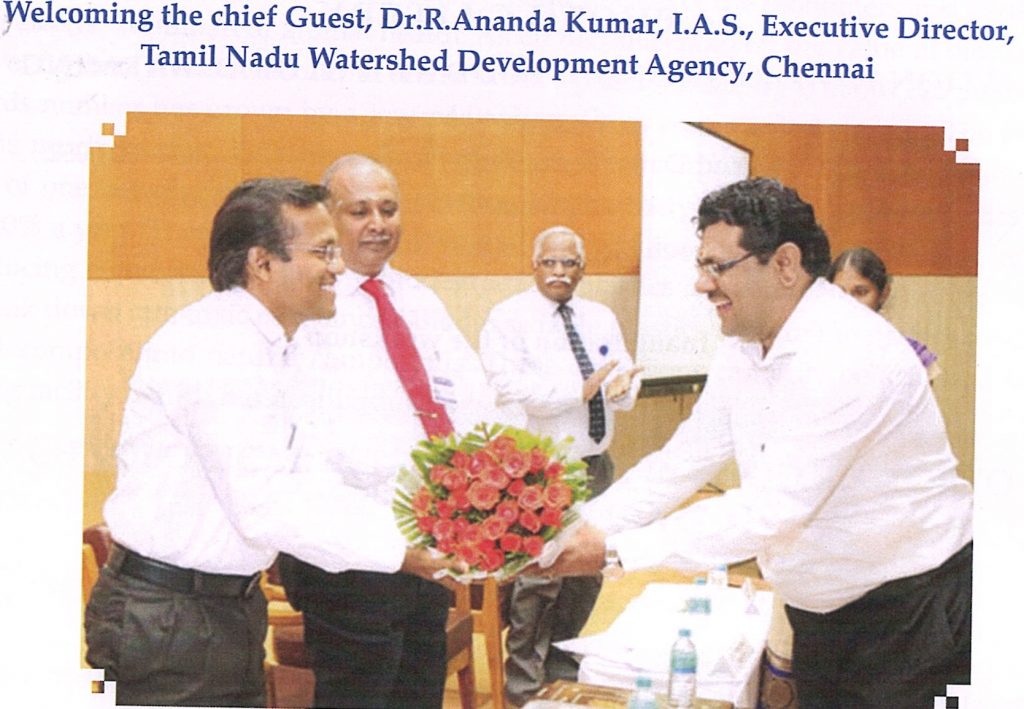
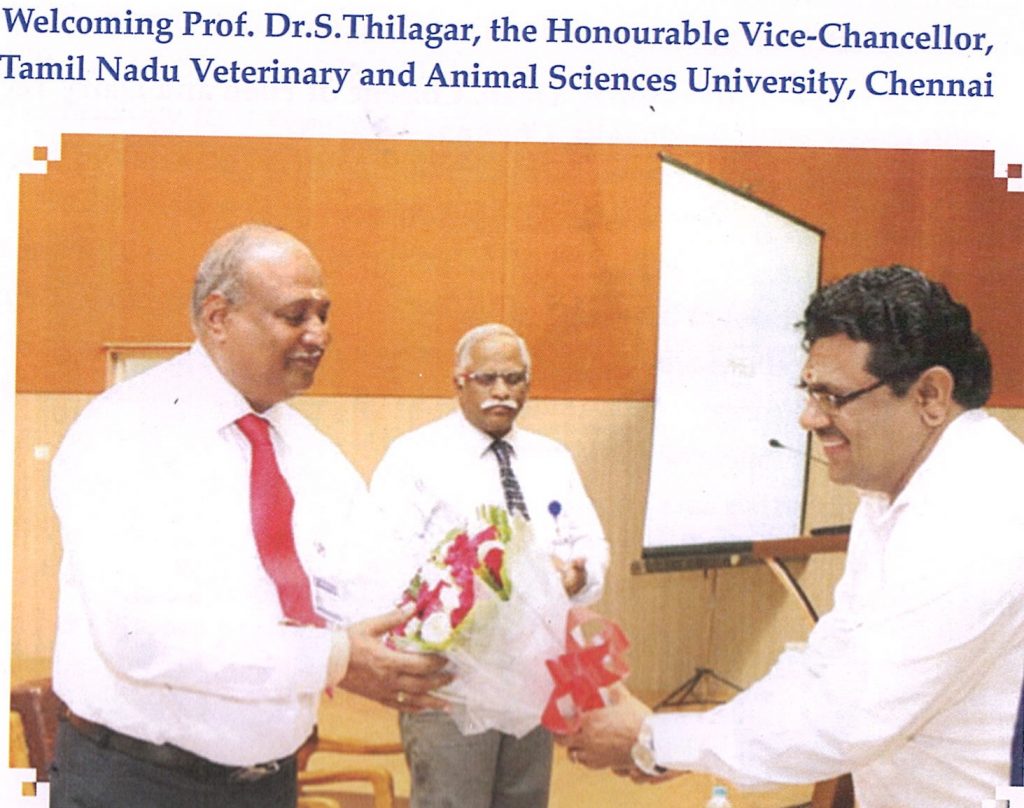
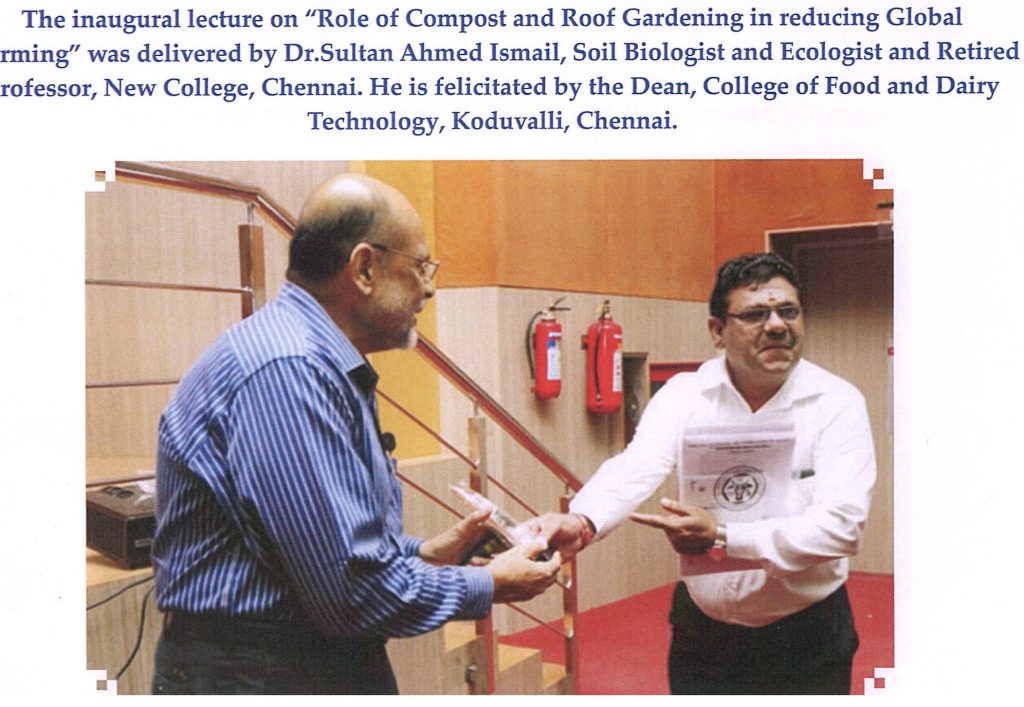
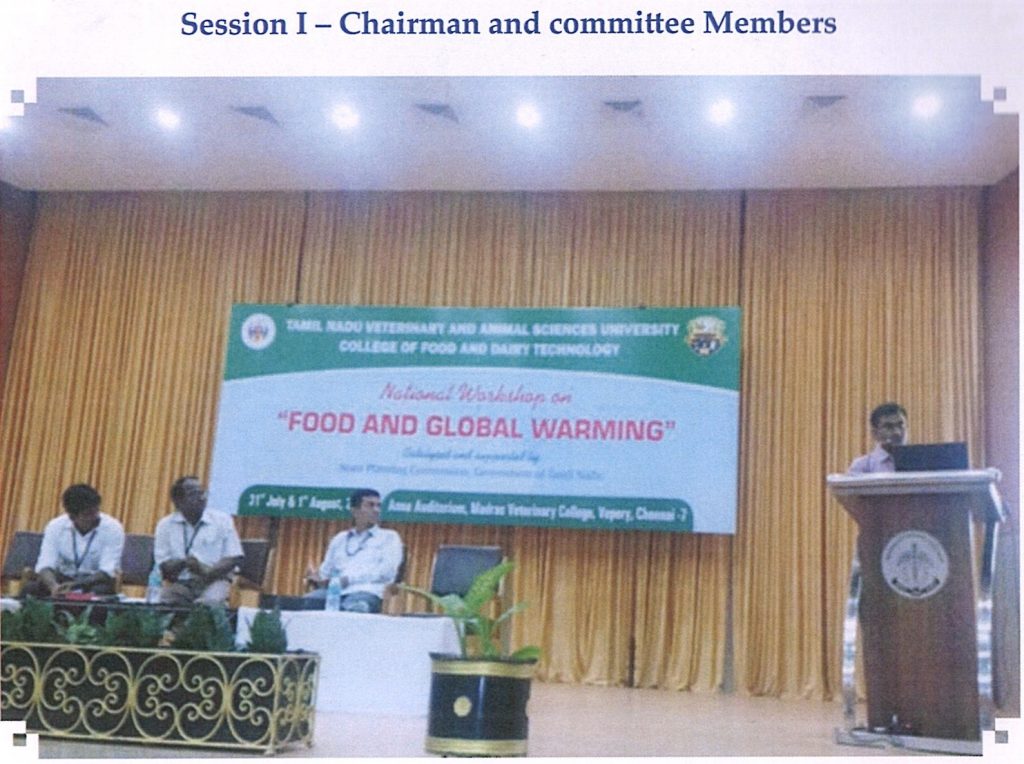
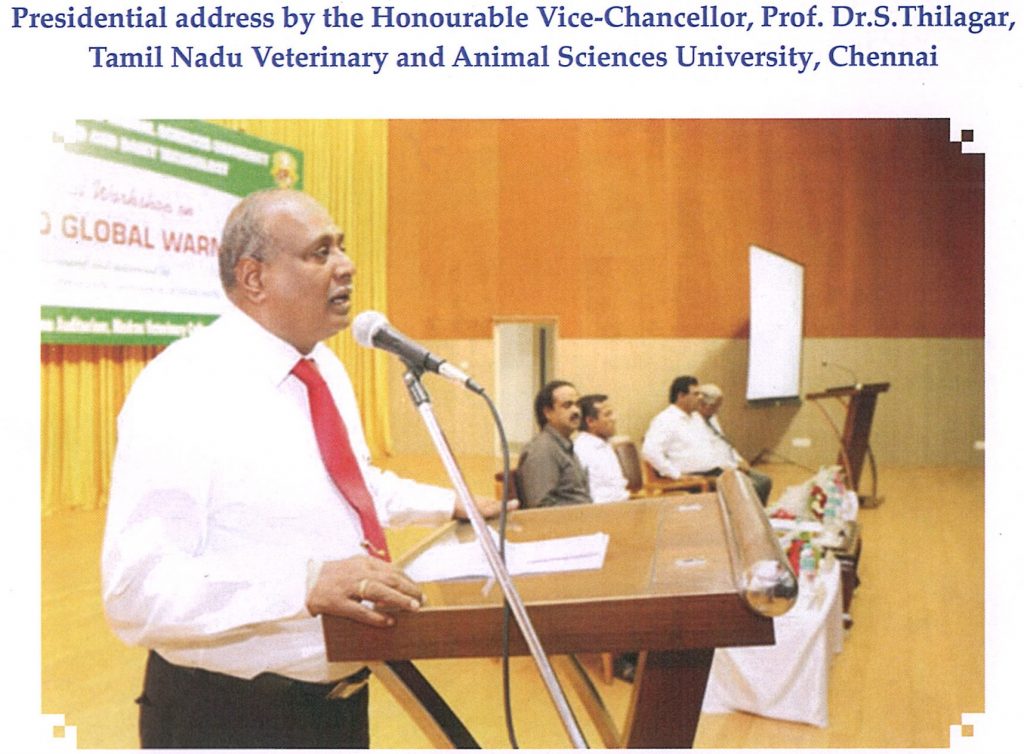
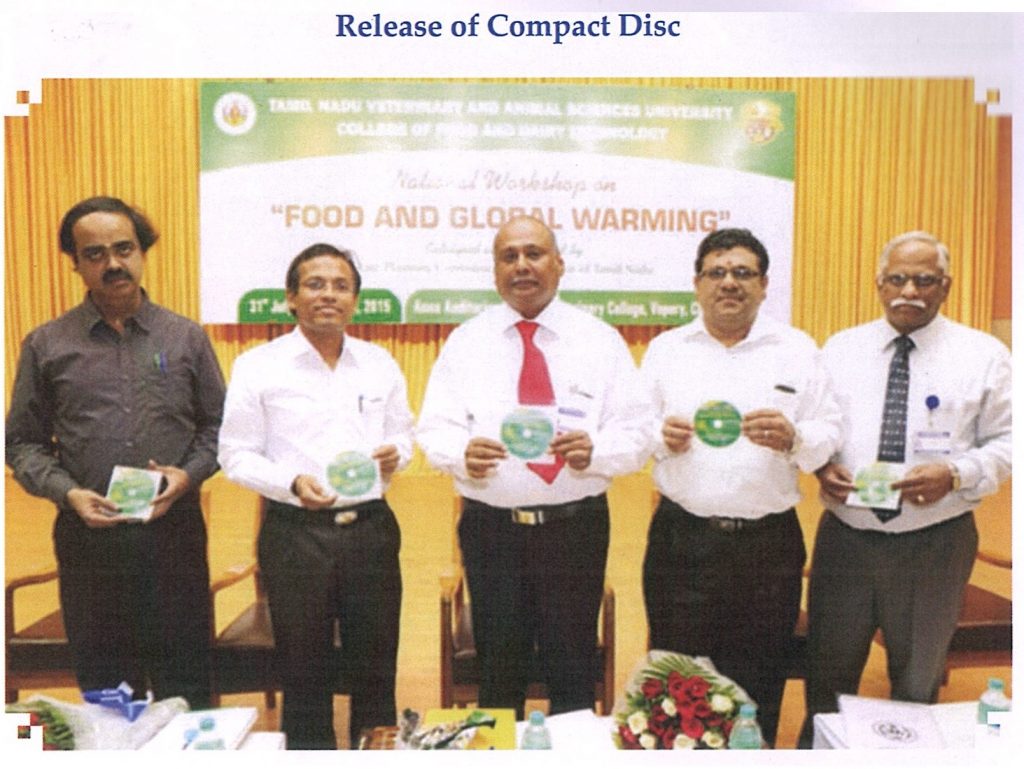
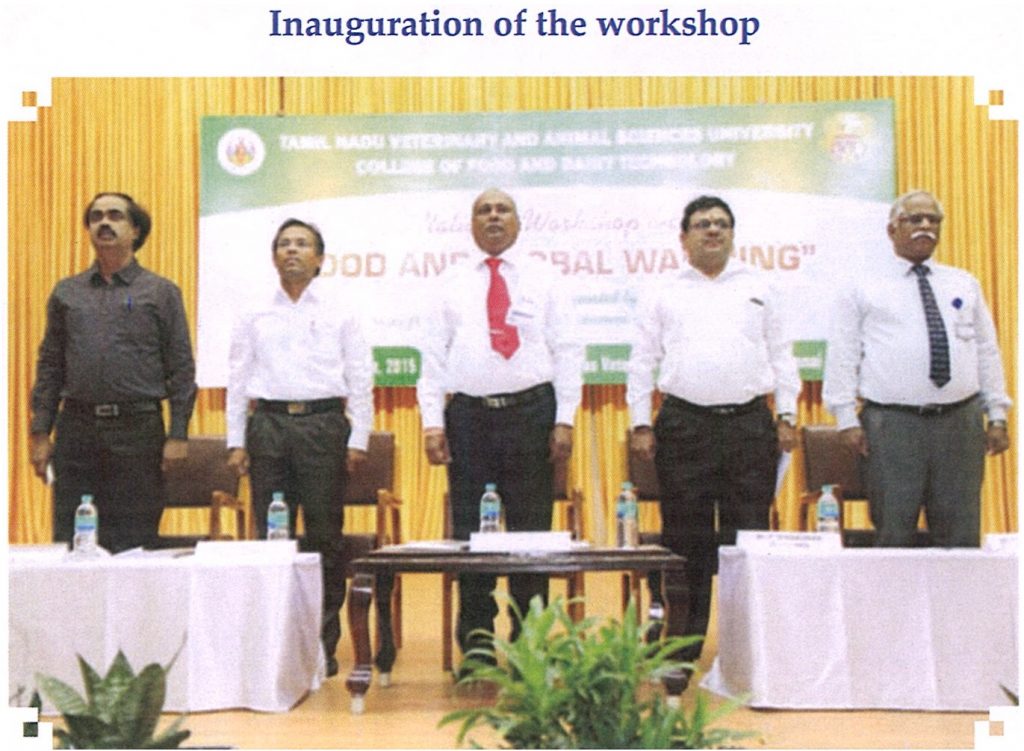
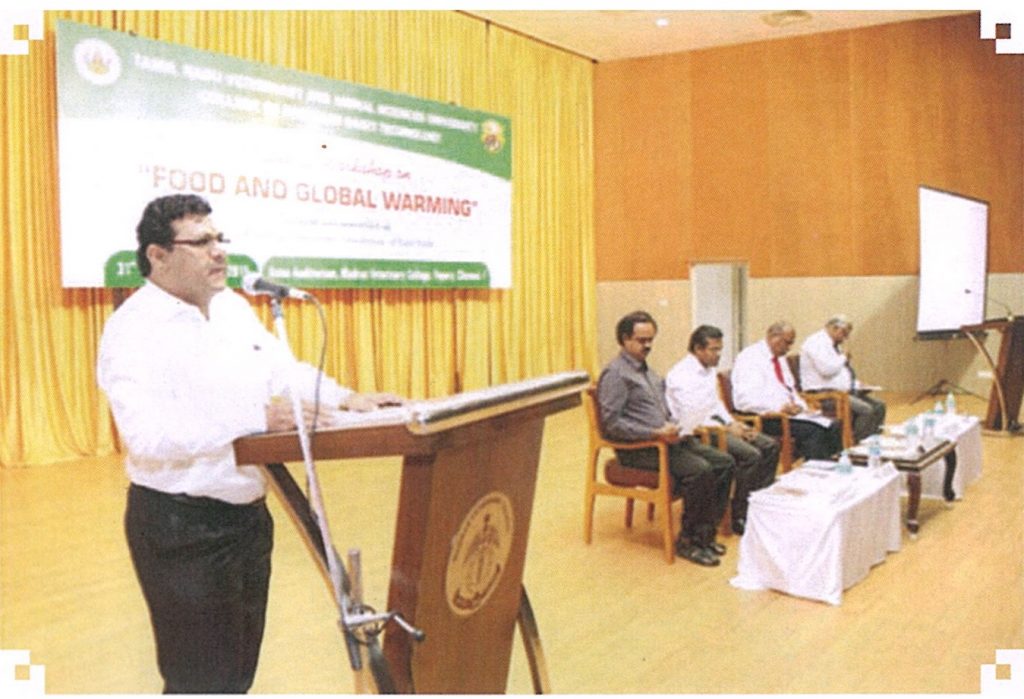
A national workshop on “Food and Global Warming” was held by Tamil Nadu State Land Use Board jointly with College of Food and Dairy Technology, Koduvalli during 31st July 2015 and 1st August 2015.
This workshop aims to address food-related issues in global warming by judicious use of renewable energy sources like solar and biogas. Utilization of bioplastics, non-thermal food processing, and effective by-product utilization resulted in a considerable reduction in emission of greenhouse gases
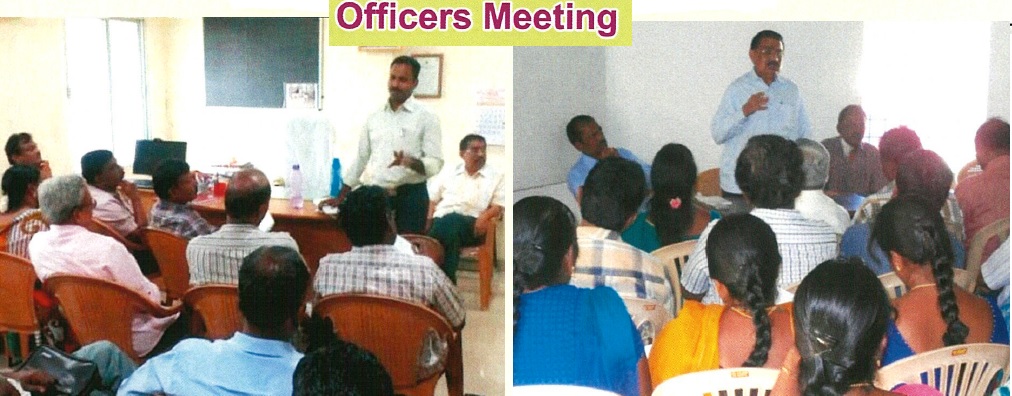
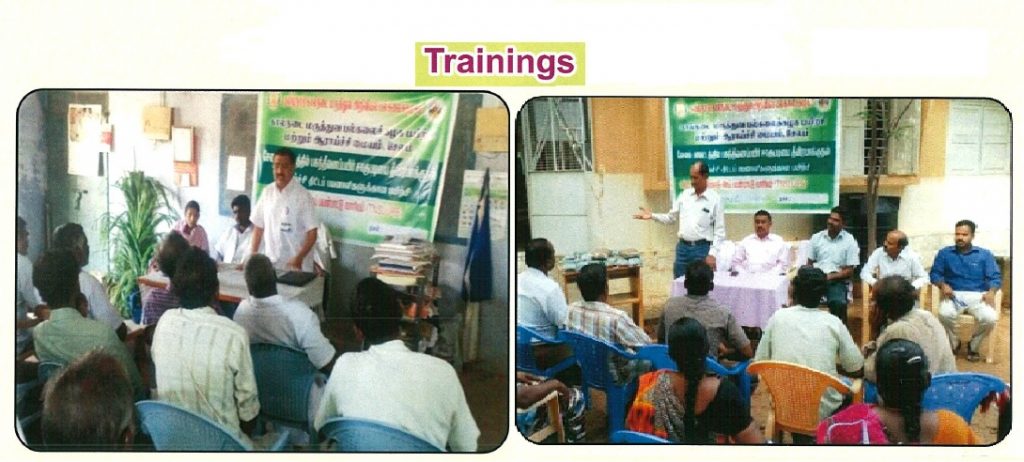
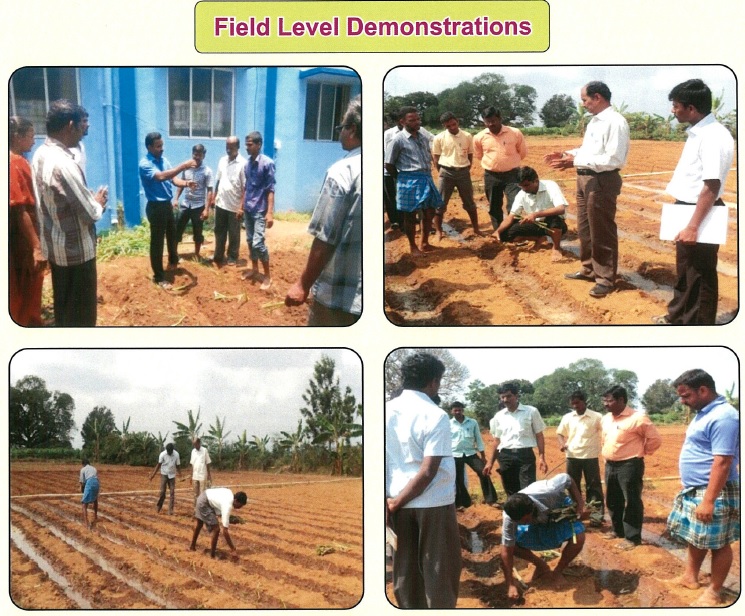
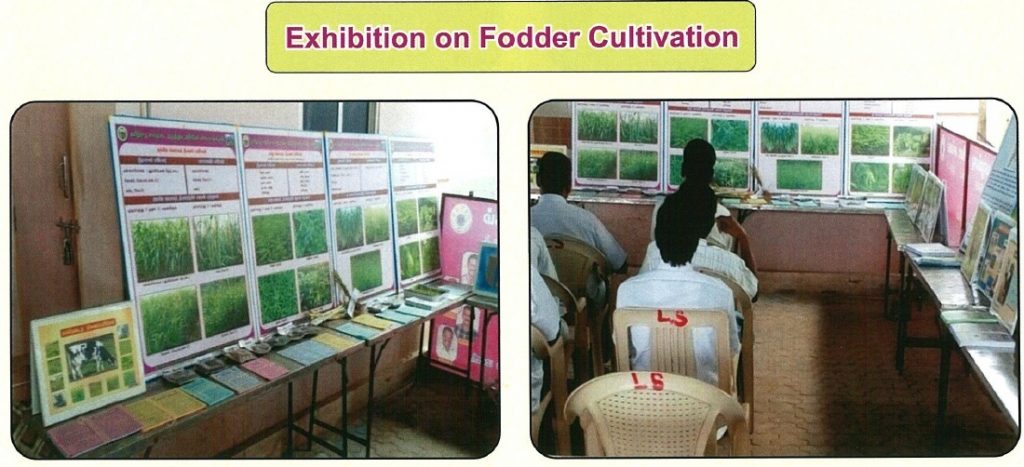
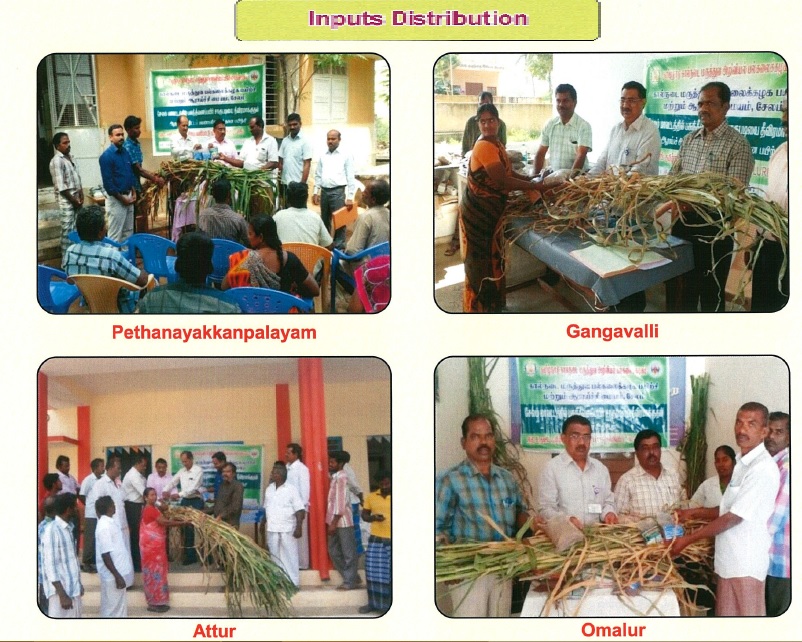
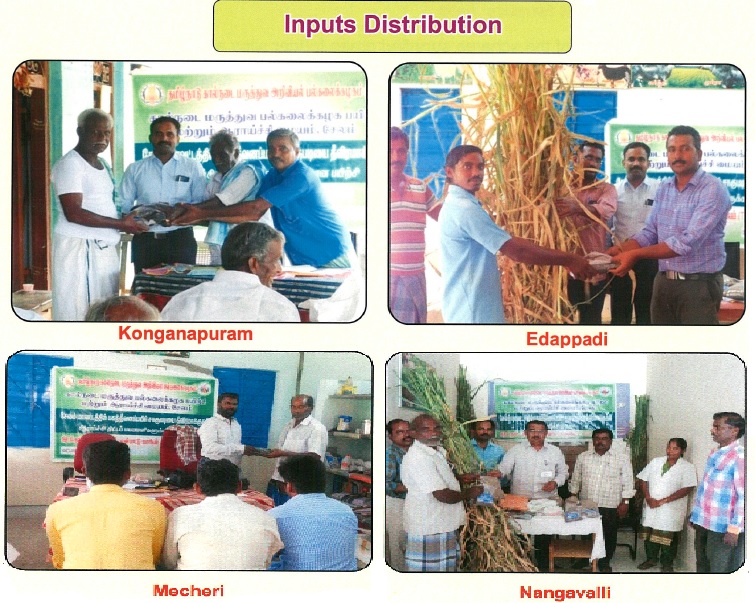
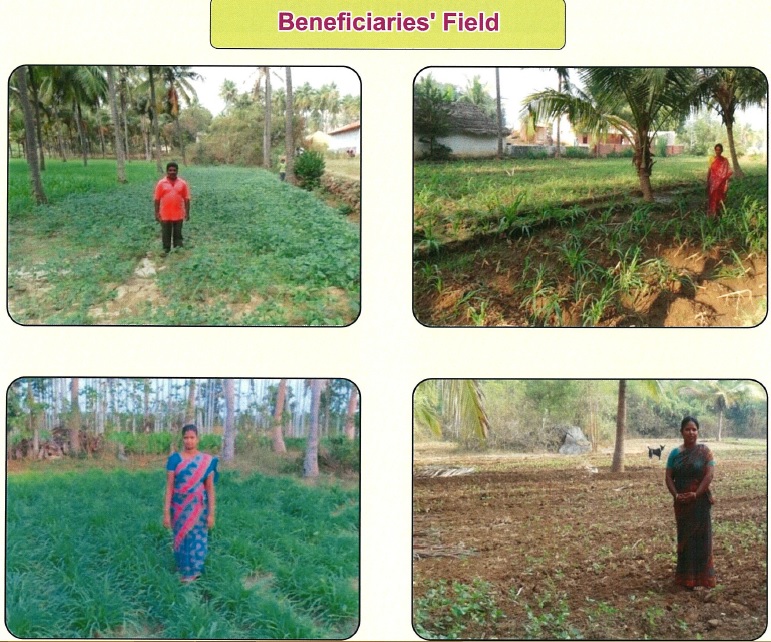
To contribute significantly to increase the availability of fodder and to enhance the animal production, a workshop on “Intensification of Fodder Production System” at farmer level was conducted by the Tamil Nadu State Land Use Board, State Planning Commission in collaboration with Veterinary University Training and Research Centre, Sale on during 2014
The objective of the workshop is to motivate dairy farmers to adopt sustainable scientific practices in fodder production through training and to augment fodder production in the project area through the establishment of fodder seed bank at farmer’s field and to enhance farm income through increased production and productivity of the animal.
The workshop aims to discuss the overall impact of dumping domestic waste in and around Chennai with special reference to the impact of leachate percolation on the quality of the groundwater and sediments. The workshop had representation from a majority of the groups who are involved with waste disposal and related studies.
Keeping the importance of Solid Waste Management for the society a one day workshop was organised by Department of Applied Geology, University, Chennai to discuss the present status and future work plan in the light of new advances in science and data from dump sites of Chennai.
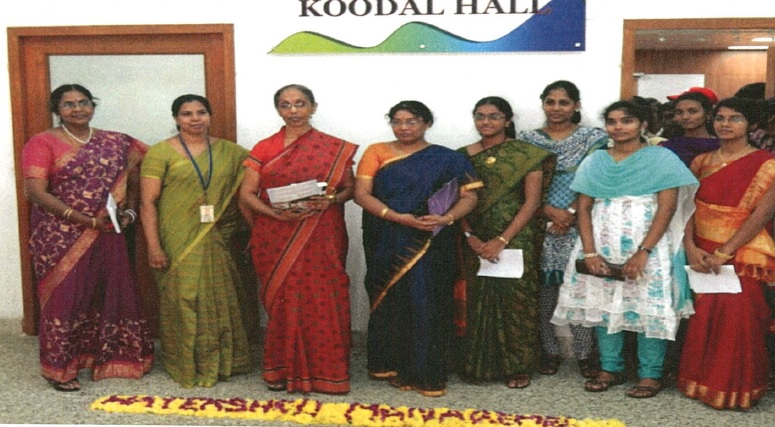
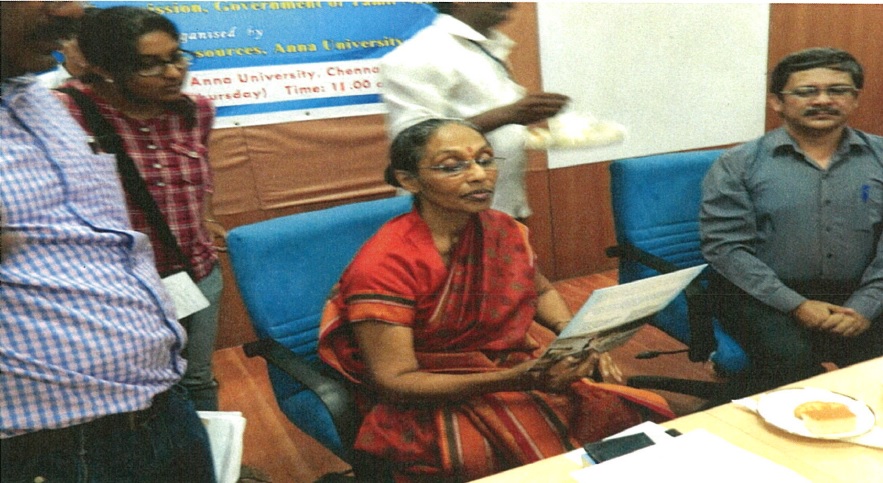
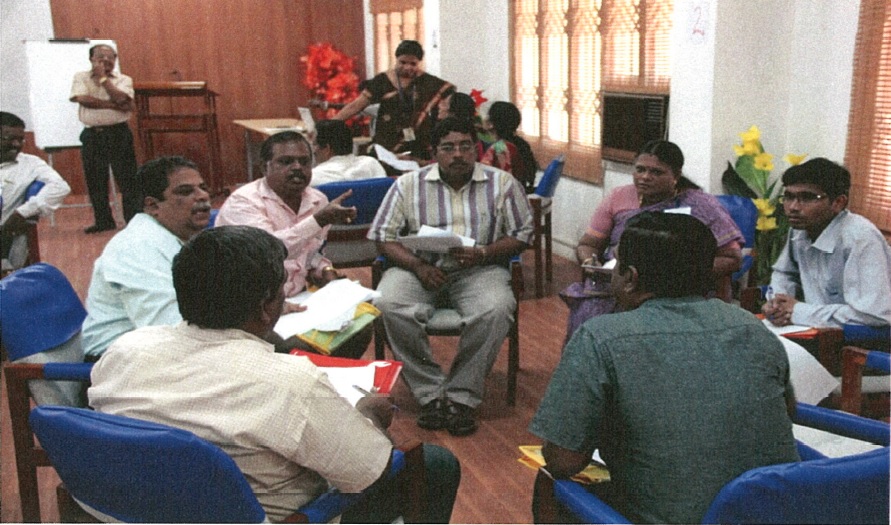
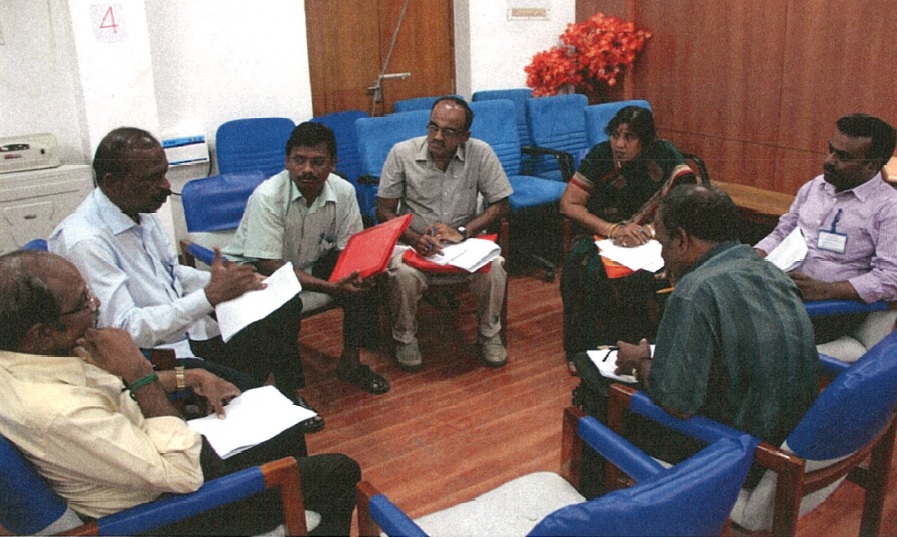
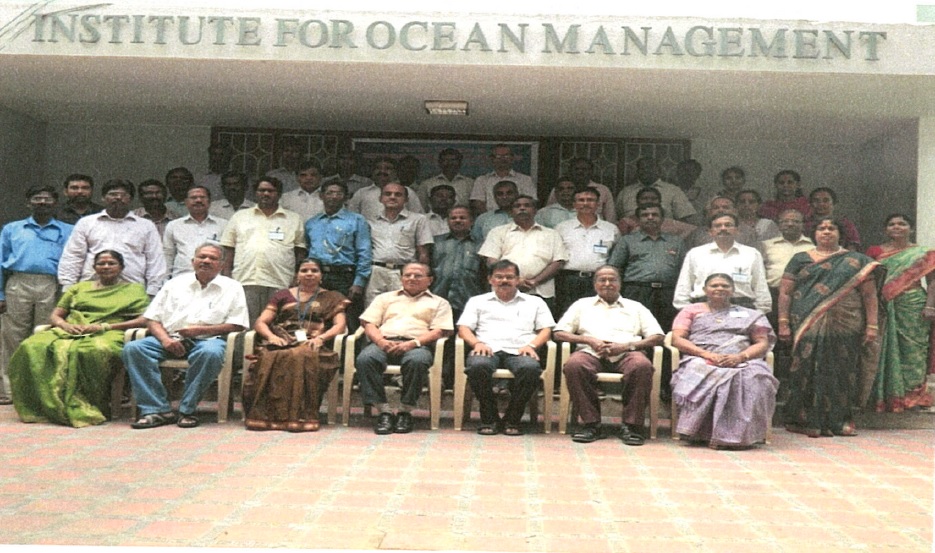
The objective of the workshop was to take stock of the watershed development and watershed management programs that were being implemented in the State of Tamil Nadu and to prepare a road map for the years to come.
A two-day workshop on watershed management programs in Tamil Nadu was jointly organised by the Tamil Nadu State Land Use Research Board (TNSLURB) under the aegis of the State Planning Commission, and the Centre for Water Resources, Anna University, Chennai on 11th and 12 July 2013. Stakeholders from the Government Agencies, non-governmental organisations, academic institutions and research scholars have deliberated to develop better planning and implementing strategies.
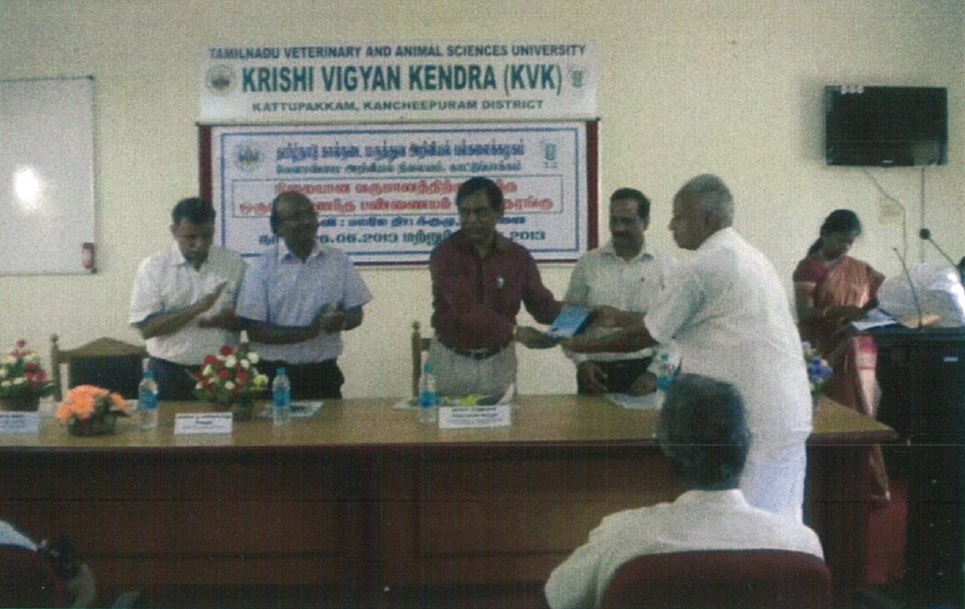
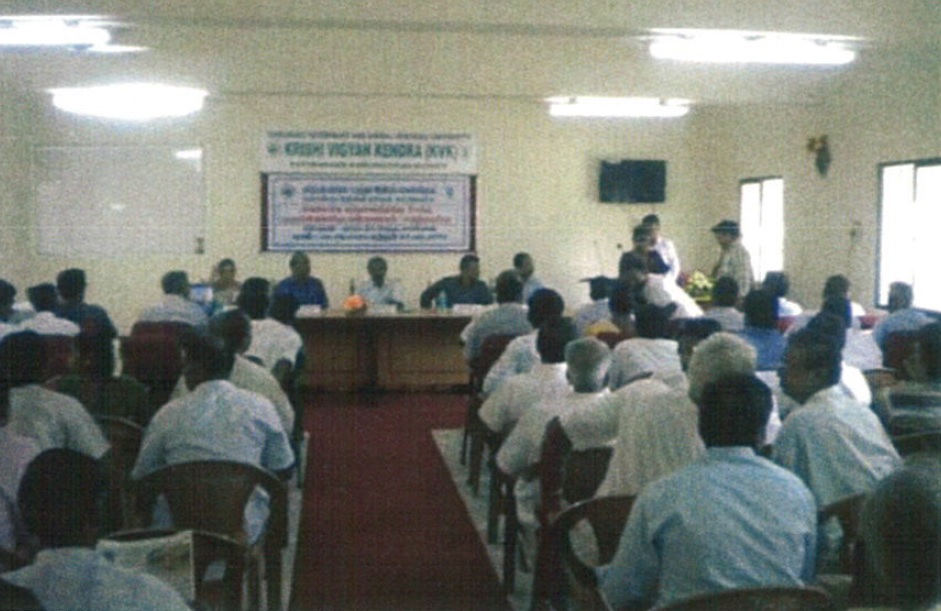
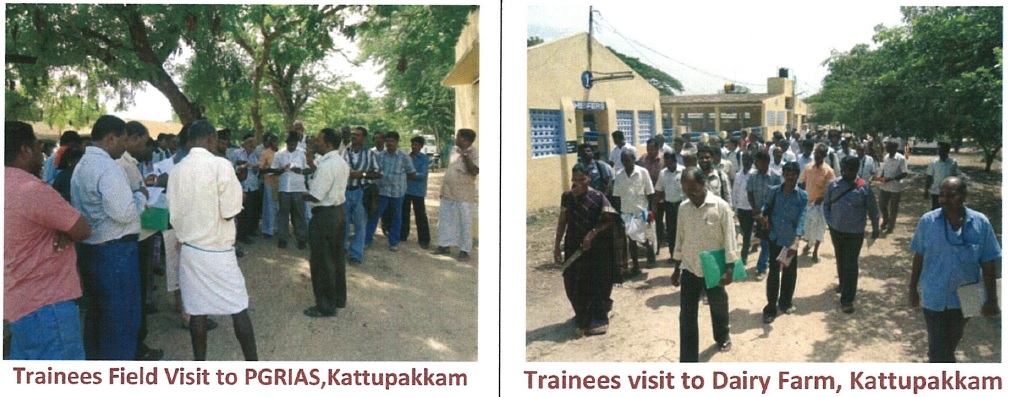
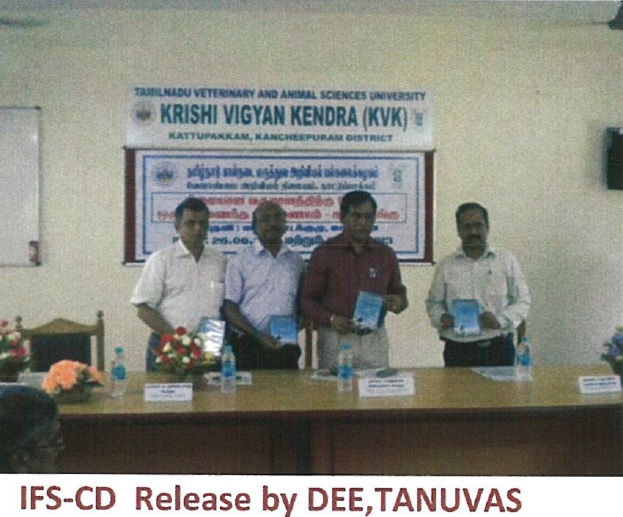
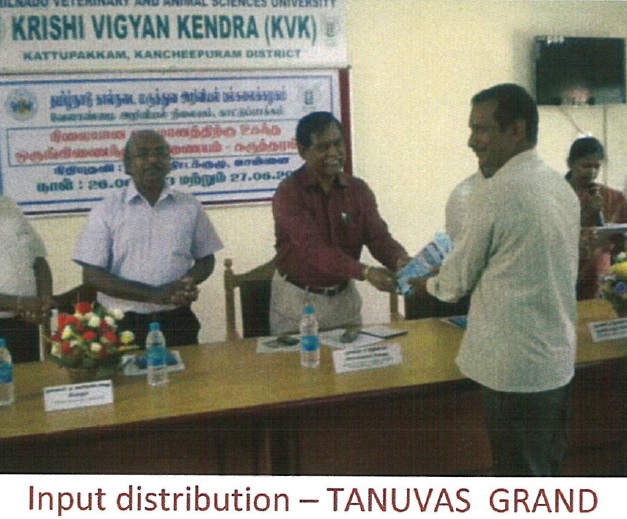
The workshop in Kanchipuram district focused on promoting sustainable farming through Integrated Farming Systems (IFS). It aimed to combine crop production, livestock, and potentially fishery operations for resource efficiency. Participants were educated on organic practices like composting crop residue. The goal was to empower resource-poor communities and improve livelihoods by adopting suitable farming models for different conditions.
A two-day training programme on “Integrated Farming System for Sustainable Farming” was conducted at Krishi Vigyan Kendra, Kattupakkam on 26.06.13 and 27.06.13 to motivate and develop skills among rural farmers to generate self-employment through Integrated Farming System.
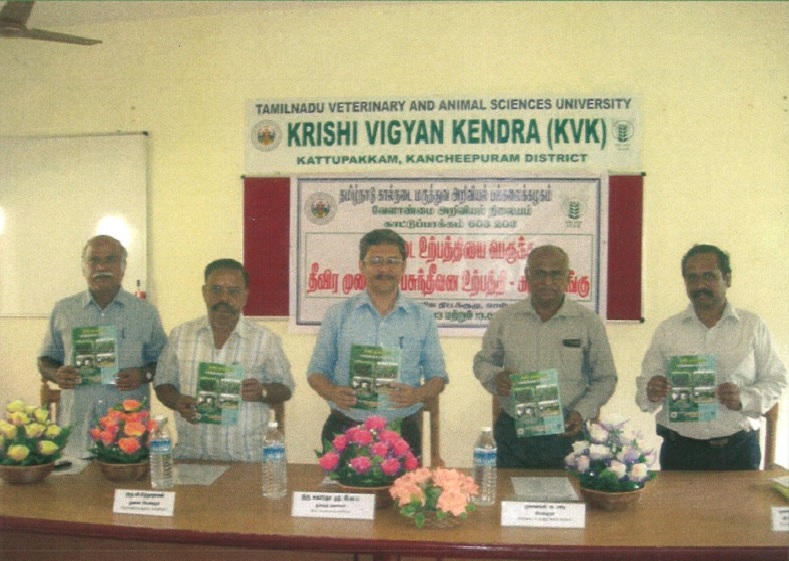
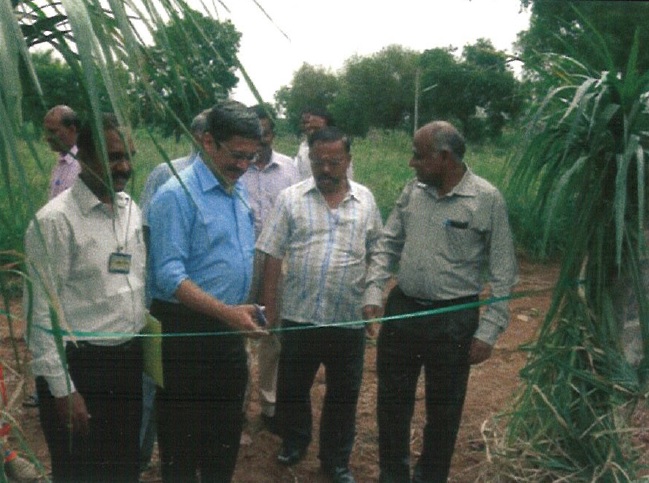
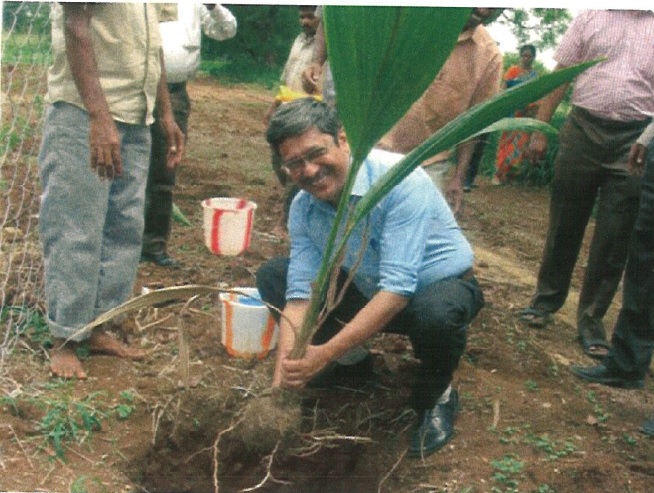
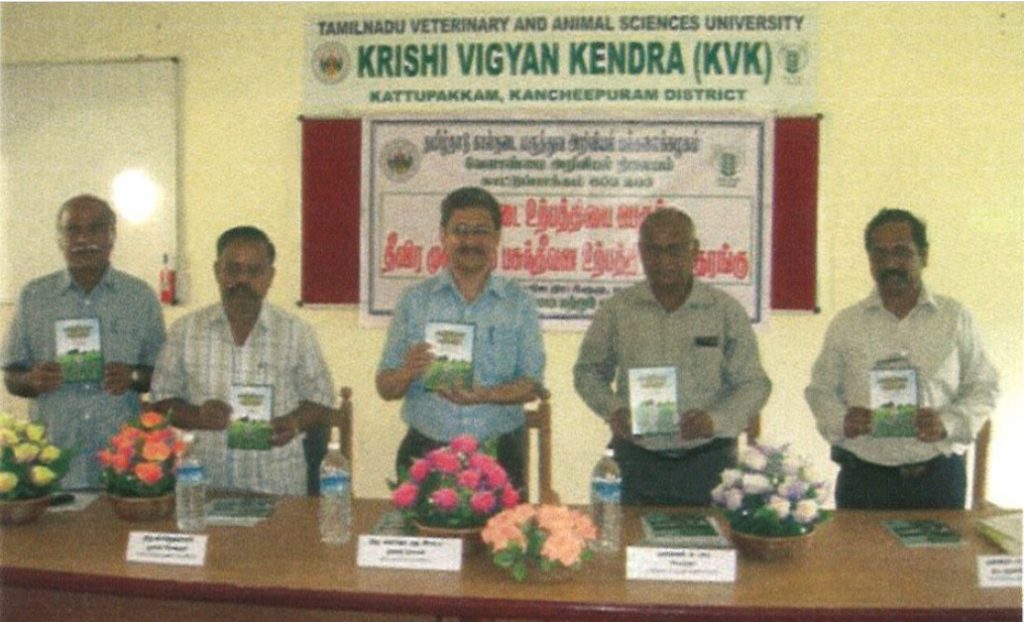
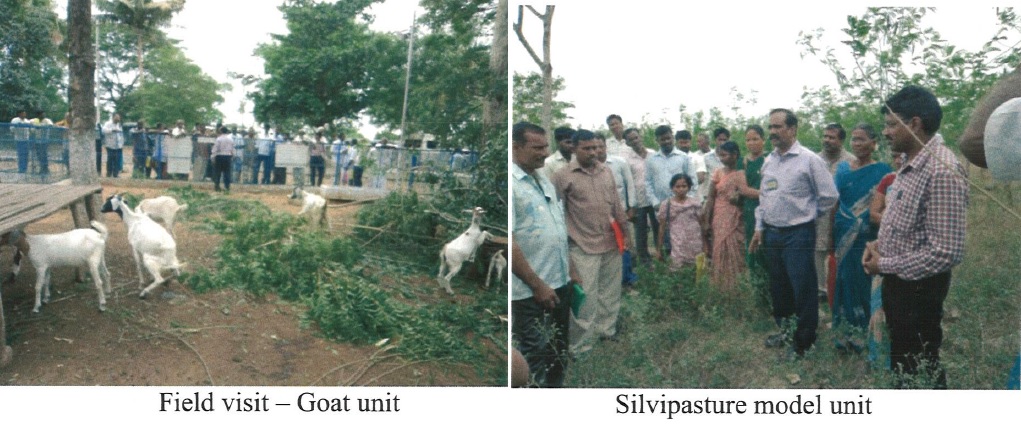
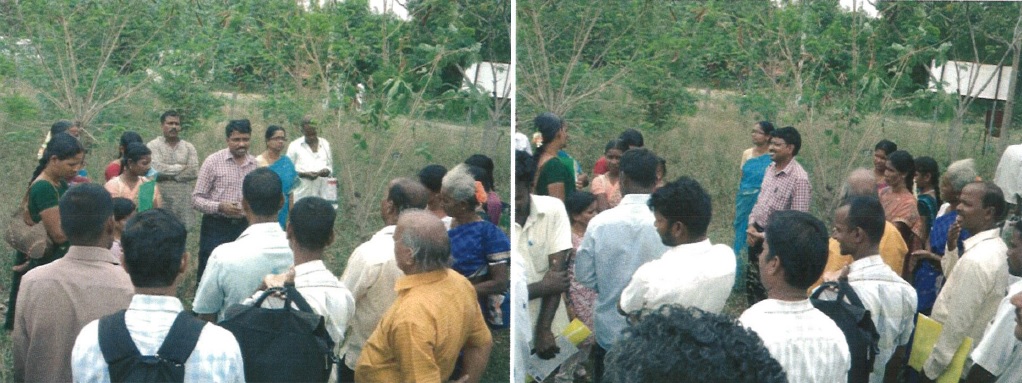
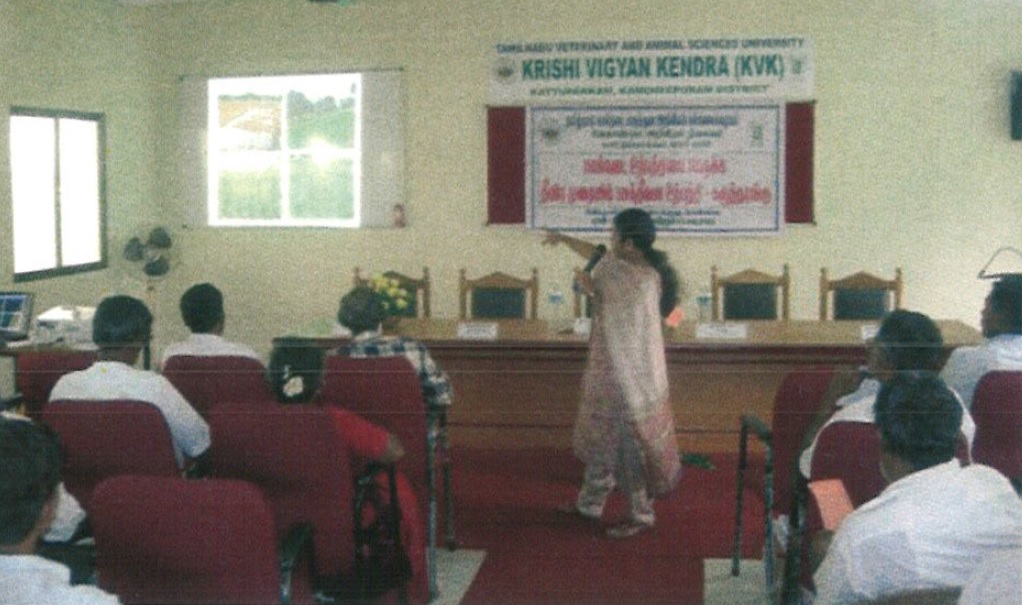
The workshop in Kanchipuram focused on addressing limited green fodder for livestock by educating farmers on cultivating fodder crops. It emphasized year-round feed availability through growing legumes and non-legumes. Participants learned production techniques and the creation of fodder seed banks. The program also advocated for utilizing uncultivated land for pastures to improve grazing options.
A two-day training programme on “Intensive Fodder Production for Augmenting Livestock Production” was conducted at Krishi Vigyan Kendra, Kattupakkam on 12.06.2013 and 13.06.2013 to create awareness on Green Fodder production among livestock farmers to cultivate fodder throughout the year.